CHP’s Öztrak Accuses TurkStat of Data Distortion as Broad Unemployment Hits Record Levels
 manipulation
Turkey’s main opposition CHP has accused the Turkish Statistical Institute (TurkStat) of masking the true state of the labor market after March data showed a sharp divergence between official unemployment and broader measures. Former Treasury official Faik Öztrak said “real unemployment” has climbed to 31.5%, warning of deep structural problems and rising risks for the economy and social security system.
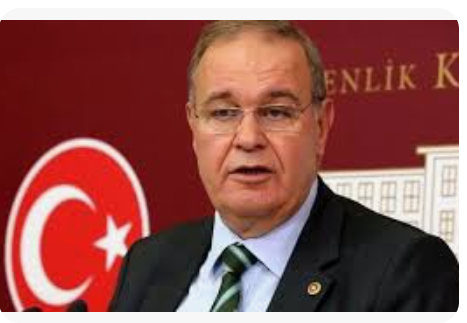
Faik Oztrak
Sharp Gap Between Official and Broad Unemployment
According to TurkStat’s March 2026 Labor Force Survey:
- Official unemployment rate: 8.1%
- Broad unemployment (idle labor): 31.5%
The broad measure — which includes underemployment, discouraged workers and those available but not actively seeking jobs — returned to a post-pandemic high, matching levels last seen in mid-2025.
The number of officially unemployed stood at 2.87 million, while broader calculations by labor groups put total unemployment at 12.85 million, highlighting a widening gap between headline and underlying conditions.
CHP: “Reality Is Being Hidden”
Faik Öztrak, a senior figure in the opposition CHP and former Treasury undersecretary, accused the statistical agency of “increasingly heavy cosmetic adjustments” to the data.
He noted that while official unemployment declined slightly, broader unemployment surged.
“Real unemployment has risen to 31.5%, while the official rate fell to 8.1%. The gap between the two has reached nearly 10 million people,” Öztrak said.
Labor Market Weakness Deepens
Data shows that despite population growth, employment is not keeping pace:
- Working-age population increased by 553,000 over the past year
- Labor force participation fell by 214,000
As a result, employment declined even as official unemployment appeared stable — a dynamic critics say reflects statistical distortions rather than real improvement.
Underemployment and Hidden Joblessness Rising
One of the key drivers of broad unemployment has been a surge in underemployment:
- Time-related underemployment rose by 756,000 in a single month
- Total underemployed workers exceeded 4.5 million
These individuals are not counted as unemployed under official definitions, despite working insufficient hours in low-paid or insecure jobs.
According to estimates, 14% of the population is now in this category — a record high.
“Potential Workforce” Expands
Another critical component is the increase in discouraged workers:
- Potential labor force rose to 5.4 million
- These are individuals willing to work but unable to find jobs
Combined with other categories, this pushes total “hidden unemployment” to unprecedented levels.
Youth Employment and Long-Term Risks
Economists warn that youth employment trends pose a major structural risk:
- Youth employment rate fell from 19% to 15%
Once individuals remain unemployed for extended periods, their chances of re-entering the labor market — especially in well-paid jobs — decline sharply.
This dynamic threatens the long-term sustainability of the social security system, particularly as Türkiye’s population ages.
Aging Population Adds Fiscal Pressure
Türkiye is increasingly described as a “middle-aged society,” with demographic trends pointing to a rising dependency ratio.
With broad unemployment near 30%, the ratio of retirees to active workers is expected to increase, placing additional strain on public finances and the social security system.
CHP: Economic Policy Driving Job Losses
CHP officials argue that current economic policies are exacerbating labor market weakness.
They point to:
- High interest rates
- Tight financial conditions
- Weak domestic demand
- Loss of industrial competitiveness
as factors discouraging production and employment.
According to CHP Vice Chair Güldem Atabay, firms are increasingly focused on cutting costs rather than expanding output, raising the risk of layoffs.
Guldem Atabay

War and Energy Shock Add New Risks
The opposition also warned that rising energy costs linked to the Iran conflict could worsen the outlook.
Higher oil prices:
- Increase production costs
- Reduce household purchasing power
- Weaken demand
This combination creates both cost and demand shocks, making it harder for firms to sustain employment levels.
“Unemployment Is Not Falling — It Is Being Hidden”
CHP officials argue that the decline in official unemployment does not reflect reality.
“Unemployment is not falling in Türkiye — it is being concealed,” Atabay said, adding that the gap between official and real figures represents “the invisible economy.”
According to opposition estimates:
- 12.85 million people are effectively outside the labor system
- Including families, this impacts over 50 million citizens
Social and Political Implications
The opposition warns that the growing disconnect between official data and lived reality could have broader consequences:
- Rising inequality
- Weak consumer demand
- Increasing social discontent
They also criticized what they described as an attempt to present the situation as a “success story,” despite worsening conditions on the ground.
Conclusion: Structural Labor Market Crisis Deepens
March labor data points to a deepening structural problem in Türkiye’s labor market:
- Broad unemployment at record levels
- Rising underemployment and discouraged workers
- Weak job creation despite population growth
While official indicators suggest stability, alternative measures paint a far more challenging picture.
The divergence between the two is likely to remain a central issue in both economic policy debates and political discourse in the coming months.
Related articles

İmamoğlu Breaks Silence in Espionage Probe: “Accusing Me of Spying Is as Absurd as Saying I Burned Rome”

Yavuz Baydar: Peace Commission Report Is a Blueprint for “Neutralizing Opposition”
Al-Monitor poll: Erdogan ‘on thin ice’, neck to neck election on the horizon