Sanctions Against Officials in Osman Kavala Case Move Onto Council of Europe Agenda
 osman kavala
By Yavuz Baydar
A new phase has been reached in the long-running legal and political dispute surrounding jailed Turkish businessman and civil society figure Osman Kavala. Lawmakers at the Council of Europe are now pushing for targeted sanctions against officials involved in his continued detention, marking a significant escalation in international pressure on Türkiye.
PACE Lawmakers Push for Targeted Sanctions
In a notable development at the Parliamentary Assembly of the Council of Europe (PACE), 28 lawmakers from across the political spectrum have introduced a draft resolution calling for sanctions against those deemed responsible for Kavala’s imprisonment.
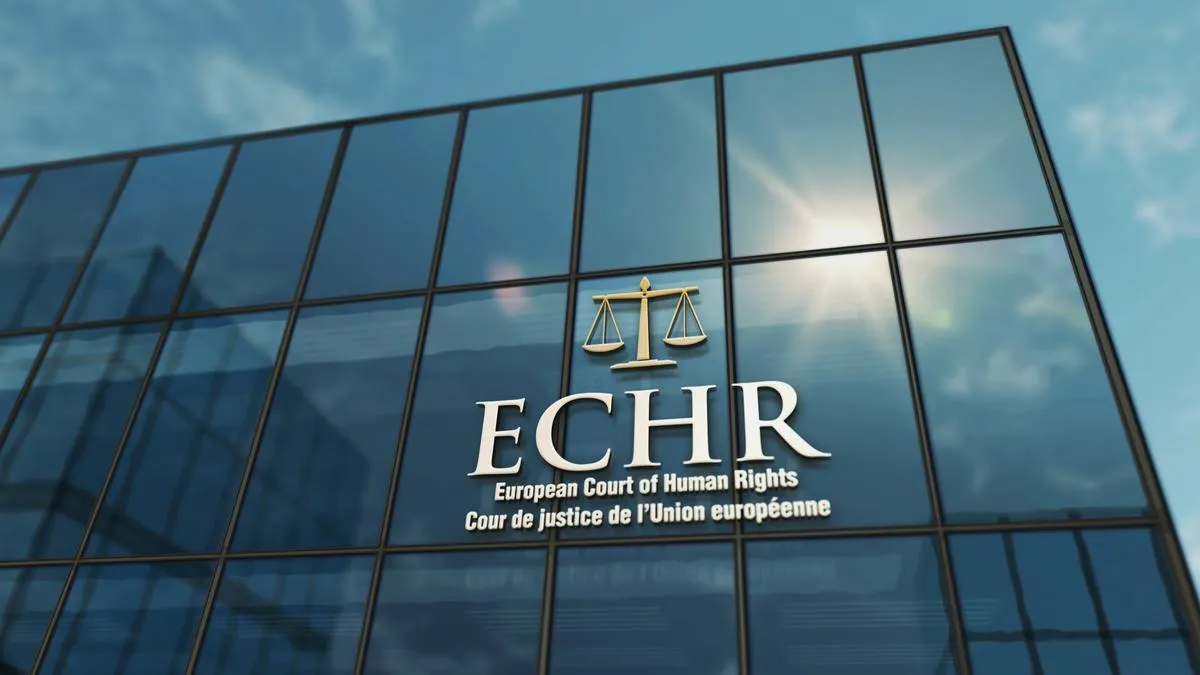
The move comes just one month after the case was referred to the Grand Chamber of the European Court of Human Rights, following Türkiye’s continued resistance to earlier rulings.
If adopted, the proposal could lead to:
- Travel bans across Europe
- Asset freezes targeting officials
- Restrictions under “Magnitsky-style” legal frameworks
The sanctions would apply to prosecutors, judges, and other officials involved in Kavala’s detention and conviction.
A Symbolic Case in Türkiye’s Legal Landscape
Kavala, a central figure in the so-called Gezi trial, has become emblematic of broader concerns over rule of law and judicial independence in Türkiye.
The European Court of Human Rights has ruled multiple times that:
- Kavala’s detention violated Article 18 of the European Convention on Human Rights
- The proceedings were politically motivated and aimed at silencing him
These findings mirror earlier rulings in the case of Selahattin Demirtaş, further reinforcing concerns about systemic issues within the judiciary.
Wider Concerns Over Rule of Law
The draft resolution also references the landmark Yalçınkaya v. Turkey ruling, in which the court found widespread violations of the principle of “no punishment without law.”
According to the ruling:
- Over 8,000 cases are currently pending before the ECHR
- More than 100,000 cases in Turkish courts may be affected
Lawmakers argue that these findings indicate systemic legal shortcomings rather than isolated incidents.
Continued Detention Despite Court Rulings
Despite multiple rulings by the European court in 2019 and 2022, and a formal infringement procedure launched by the Council of Europe’s Committee of Ministers, Kavala remains in prison.
PACE had already called for his immediate release in Resolution 2518 (2023), warning that the case undermines the foundations of the entire European human rights system.
International Backing for the Proposal
Among the signatories to the draft resolution are prominent European figures, including:
- Adam Bodnar, former justice minister of Poland
- George Papandreou, former prime minister of Greece
The proposal calls on:
- Council of Europe member and observer states
- The European Union
to impose targeted sanctions using Magnitsky-style legislation.
Observers Highlight Legal and Political Stakes
The development was closely followed in Strasbourg by legal observers, including Yavuz Aydın, a board member of the Brussels-based Justice for Rule of Law association and a former attaché at Türkiye’s Ministry of Justice.
Analysts say the move signals a shift from legal pressure to direct political and financial consequences for individuals involved in controversial judicial decisions.
A Critical Turning Point
The Kavala case has long strained relations between Türkiye and European institutions. The latest initiative by PACE lawmakers suggests that patience is wearing thin.
If sanctions are enacted, it would mark:
- A rare step targeting judicial actors directly
- A new phase in Europe’s response to rule-of-law concerns in Türkiye
Whether this pressure will lead to a change in Ankara’s position remains uncertain, but the escalation underscores the growing international stakes surrounding the case.