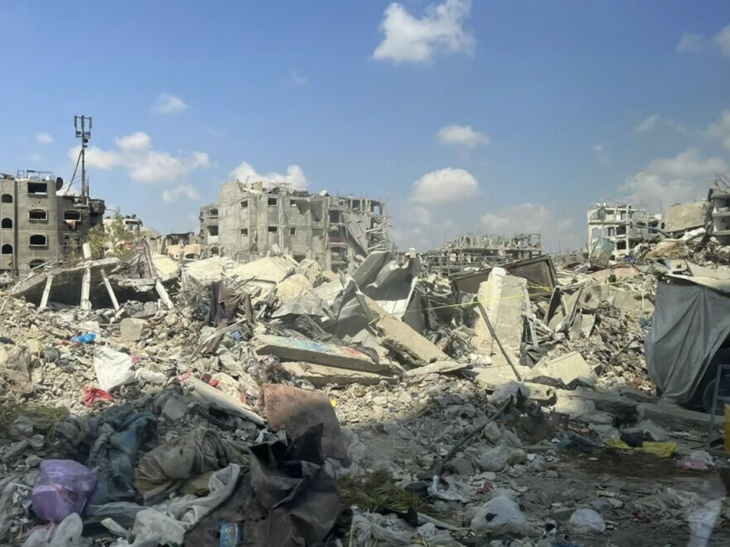
Netanyahu Draws a ‘Red Line’ on Turkish Troops in Gaza as U.S. Sides with Israel
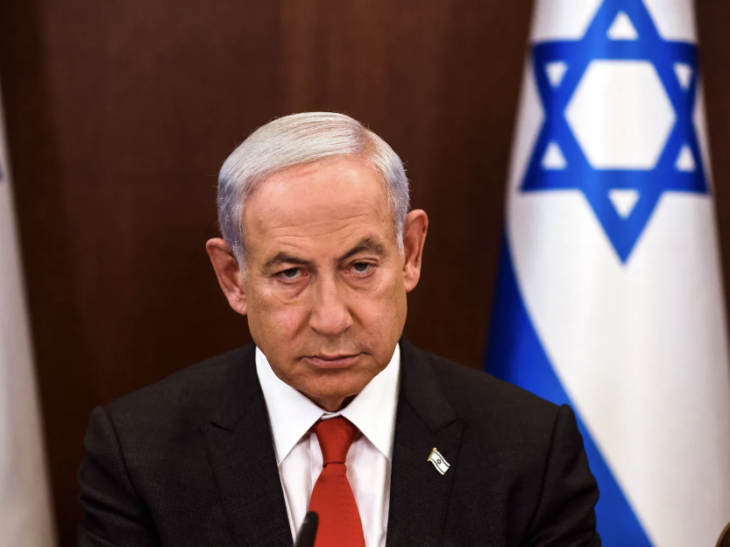
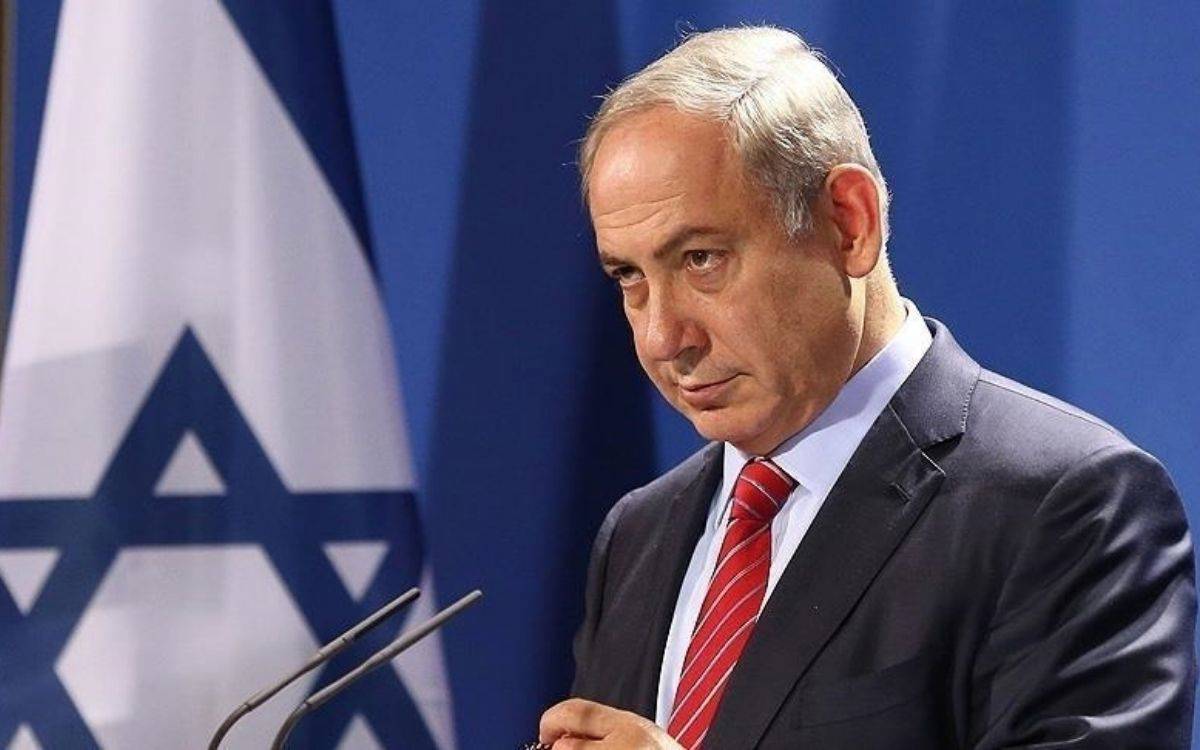 Netanyahu
Efforts to stabilize Gaza following the U.S.-backed ceasefire have sparked new diplomatic friction between Israel, Turkey, and Washington. At the center of the dispute lies a clause in the post-war stabilization plan stating that Turkish and Qatari troops would help monitor the ceasefire. Israeli Prime Minister Benjamin Netanyahu immediately objected, calling the presence of Turkish soldiers a “red line.” His comments drew support from U.S. Vice President JD Vance, who emphasized that “no foreign soldier will enter Israel without its consent.”
Disagreement Over Gaza’s International Force
The ceasefire, signed on October 13 in Egypt under the guarantee of 35 nations, marked a turning point in international mediation efforts between Israel and Hamas. Despite the agreement, Israel’s continued strikes in Gaza have left more than 100 dead even after the truce took effect. As plans move toward the second phase — establishing an International Stabilization Force — tensions have flared over the participation of foreign troops.
Countries expected to contribute forces include Egypt, Qatar, Jordan, Indonesia, Azerbaijan, and Turkey. While Washington views this coalition as essential for maintaining order and rebuilding Gaza, Netanyahu has made clear his opposition to any Turkish involvement. According to Israel Hayom, he demanded that Turkish soldiers and companies be excluded not only from peacekeeping operations but also from the reconstruction of Gaza.
Netanyahu’s “Red Line” and U.S. Response
Netanyahu’s reaction came after former President Donald Trump’s peace plan, which explicitly mentioned the participation of Turkish troops in Gaza. Turkish President Recep Tayyip Erdoğan had also confirmed that Turkey would join the planned mission, with the Defense Ministry declaring the Turkish Armed Forces “ready for deployment.” Netanyahu, however, pushed back sharply, warning that any Turkish presence in Gaza or Israeli territory would be unacceptable.
Amid growing tensions, Vice President JD Vance sought to reassure Israel, stating that the U.S. “will not pressure the Israelis regarding foreign forces.” Speaking during a visit to Tel Aviv alongside Trump advisers Jared Kushner and Steve Witkoff, Vance said, “Everyone has a role to play — some in reconstruction, others in security, finance, or mediation. The Turks have played a constructive role so far, and we are grateful for that.”
His remarks reflect Washington’s delicate balancing act — trying to sustain the fragile ceasefire while avoiding open confrontation with Netanyahu’s government. Although the U.S. remains committed to moving into the second phase of the truce, Israeli resistance to Turkish participation has complicated the timeline.
Ankara’s Role and Israel’s Resistance
Turkey’s involvement in Gaza has long been a contentious issue for Israel, given Ankara’s outspoken criticism of the war and its humanitarian aid efforts in the enclave. Erdoğan has repeatedly condemned Israel’s military actions, describing them as “massacres,” while maintaining that Turkey’s objective is to ensure peace and stability through cooperation, not confrontation.
Yet, for Netanyahu, any Turkish military presence represents a political and security challenge. Israeli media reported that his cabinet sees Turkish troops as a potential threat to its operational autonomy in Gaza. The Israeli leader’s stance has reportedly caused unease in Washington, where officials fear his intransigence could derail the broader peace framework.
U.S. Diplomacy and Political Calculations
Despite Netanyahu’s defiance, Vice President Vance expressed optimism after meeting the Israeli premier, saying the ceasefire process “will not be easy but will continue.” However, his statement that the U.S. would not push Israel to accept foreign troops effectively signaled an American concession — one that critics argue undermines the credibility of international peace efforts.
The Biden and Trump camps alike view stability in Gaza as essential for regional order, particularly amid upcoming U.S. elections and shifting alliances in the Middle East. The possibility of Turkish peacekeepers — backed by Qatar and Egypt — represents not only a logistical issue but also a symbolic power struggle over who shapes Gaza’s post-war future.
A Fragile Path Forward
As negotiations continue, the fragile ceasefire stands at a crossroads. While the U.S. urges Israel to uphold the agreement, Tel Aviv’s resistance to certain international partners — particularly Turkey — risks fracturing the coalition meant to enforce peace. Meanwhile, Ankara maintains its readiness to participate in the reconstruction and security framework, emphasizing that stability in Gaza cannot be achieved without inclusive cooperation.
Whether the international community can reconcile these competing interests will determine if Gaza’s truce becomes a foundation for peace — or merely another temporary pause in a conflict marked by mistrust and political calculation.
Related articles
Most Turks Oppose Trump’s Gaza Proposal, MetroPOLL Survey Finds
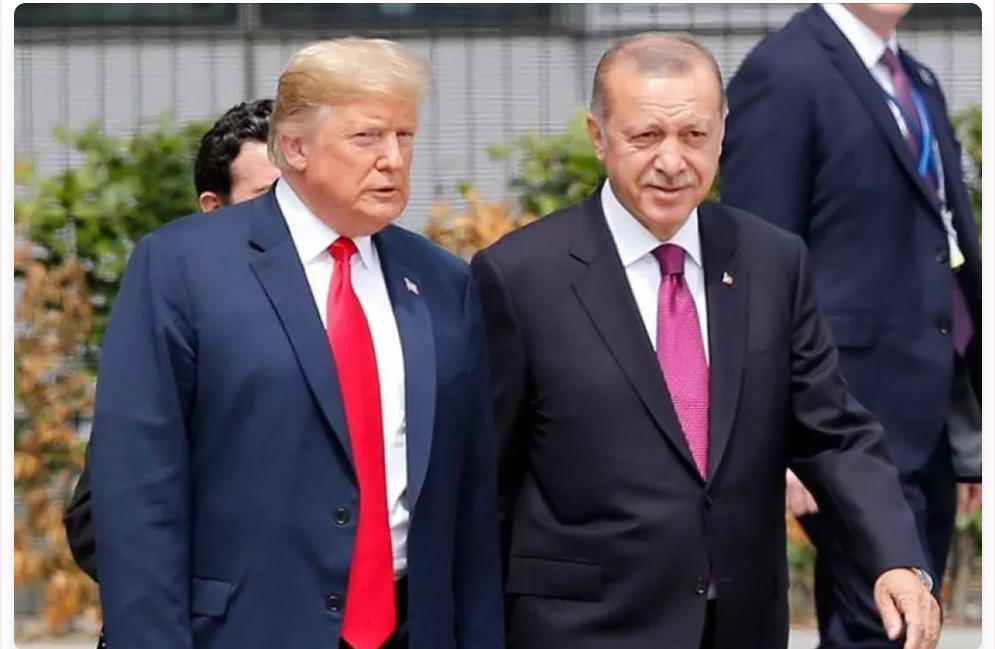
Erdoğan’s U.S. Visit: Gaza, Trade Ambitions, and a Diplomatic Push
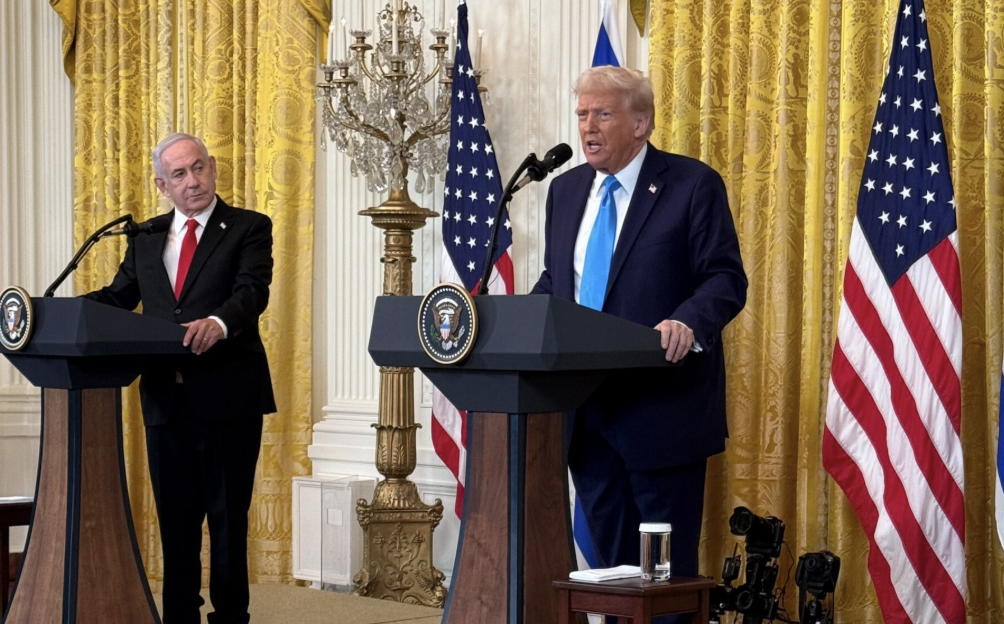
Trump’s “Gaza Peace Board” Takes Shape as Netanyahu Accepts Invitation