Istanbul Inflation Disappoints Ahead of TurkStat Data–analysis added
 inflation3
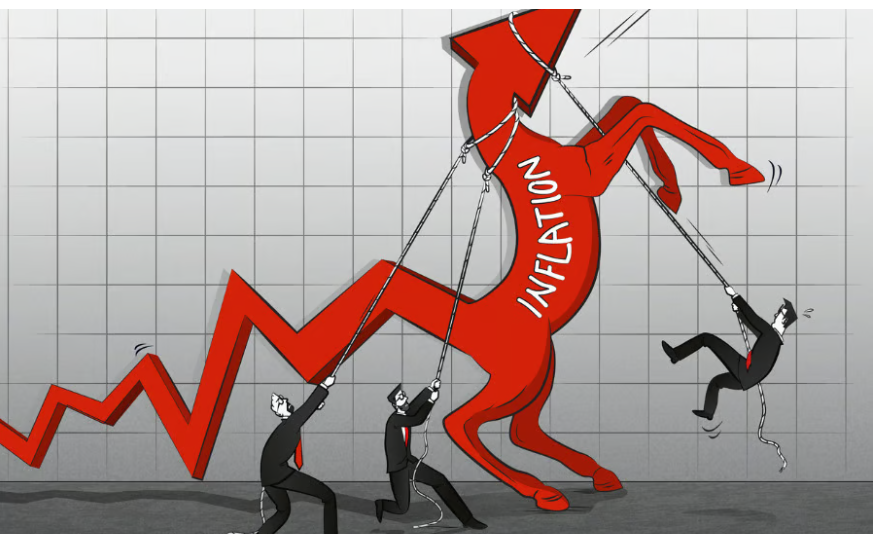
Fresh inflation data from the Istanbul Chamber of Commerce (ITO) points to renewed price pressures in April, raising concerns ahead of the official release by Turkish Statistical Institute. While economists expect a moderate monthly print, underlying dynamics—including energy shocks and weakening credibility of official data—suggest rising risks for both inflation expectations and policy credibility.
ITO Data Signals Persistent Price Pressures
According to the Istanbul Chamber of Commerce, consumer prices in the city rose 3.74% month-on-month in April, following a 3.79% increase in March. Wholesale prices increased more sharply, rising 4.32% in April, after a 2.30% gain in the previous month.
On an annual basis, retail prices climbed 36.83%, while wholesale prices rose 22.28%, highlighting continued cost pressures across the supply chain.
Clothing and Housing Lead Monthly Gains
The breakdown of the ITO Istanbul Consumer Price Index shows:
- Clothing and footwear: +11.09%
- Housing: +8.80%
- Communication: +6.49%
- Food and non-alcoholic beverages: +2.57%
- Household goods: +2.36%
More moderate increases were recorded in health, restaurants, transport, and education, while recreation and culture declined slightly by 0.12%.
Seasonal factors—particularly the transition to spring collections—drove the sharp rise in clothing prices. Meanwhile, public-sector pricing adjustments contributed to increases in housing and communication costs, while food prices reflected seasonal shifts.
Wholesale Inflation Accelerates in Textiles and Raw Materials
On the wholesale side, the strongest monthly increases were observed in:
- Textiles: +10.62%
- Raw materials: +9.15%
- Chemicals: +7.83%
These were followed by construction materials, energy products, mining, and food.
Annually, the largest increases were seen in:
- Construction materials: +32.93%
- Mining: +27.13%
- Food: +26.51%
The data suggests that upstream cost pressures remain elevated, posing risks for future consumer inflation.
Market Expectations for TurkStat Inflation Data
A survey conducted by AA Finans shows that economists expect April monthly inflation at 3.19%, with estimates ranging between 2.50% and 3.60%.
Based on this median forecast:
- Annual inflation is expected to rise from 30.87% in March to 31.11% in April
- Year-end 2026 inflation expectations stand at 28.16%
A separate Bloomberg HT survey points to a similar outlook, with monthly inflation at 3.20% and annual inflation at 31.17%.
CHP’s Öztrak Accuses TurkStat of Data Distortion as Broad Unemployment Hits Record Levels
Analysis: Credibility Gap and Rising Risks
The correlation between the ITO index and TurkStat’s official CPI has weakened significantly in recent years, despite efforts to align consumption baskets. A growing number of analysts argue that official inflation may be understated, potentially to support Central Bank of the Republic of Turkey policy objectives and limit fiscal expenditures indexed to inflation.
Against this backdrop, a slightly lower-than-expected official print—possibly just below 3%—would not be surprising. However, public confidence in TurkStat data has eroded, creating distortions in inflation expectations and pricing behavior across the economy.
Despite survey expectations pointing to a moderation in April inflation, the underlying drivers suggest otherwise. Input cost shocks stemming from the Iran war are rapidly feeding through the supply chain, while the CBRT’s strong lira policy offers only limited support in anchoring expectations, which began rising again in March.
Policy Pressure Builds for CBRT and Government
Even if annual inflation stabilizes near 30%, both the government and the central bank are likely to face mounting pressure.
The CBRT may need to revise its interim inflation targets in its upcoming May 11 Inflation Report and could be forced to consider a rate hike as early as June, particularly if a weak tourism season coincides with persistently high energy prices.
On the fiscal side, rising inflation is expected to intensify public demand for mid-year adjustments to minimum wages and pensions. Such measures would likely widen the budget deficit and risk fueling further inflationary pressures.
ITO news release, PA Turkey newsdesk