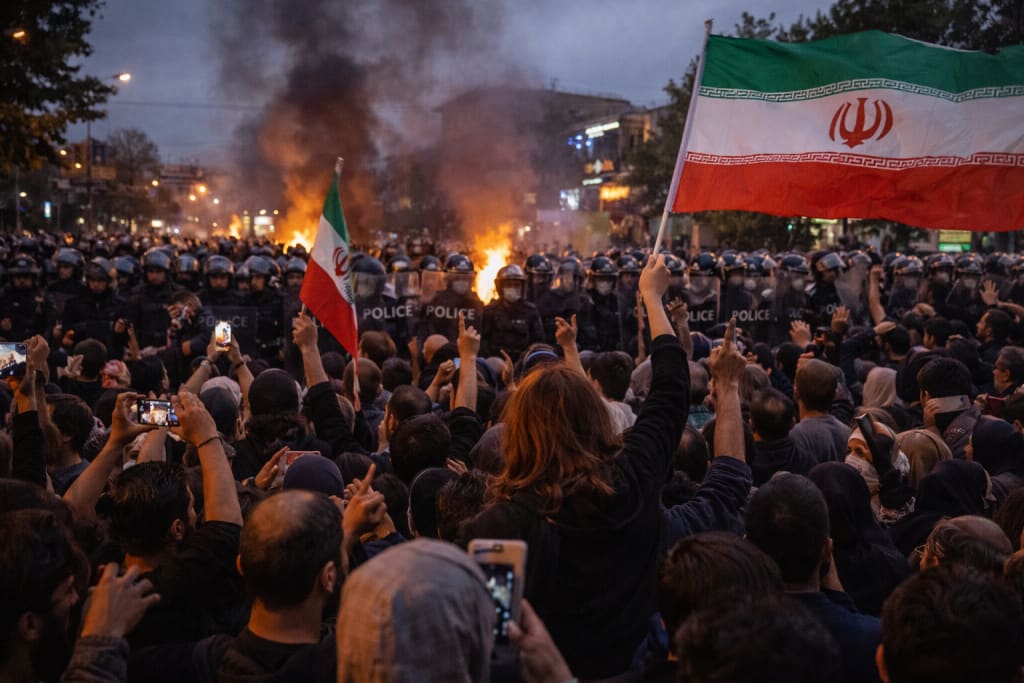
Geopolitical Tensions in Gulf: Türkiye Positions as a Safe Haven
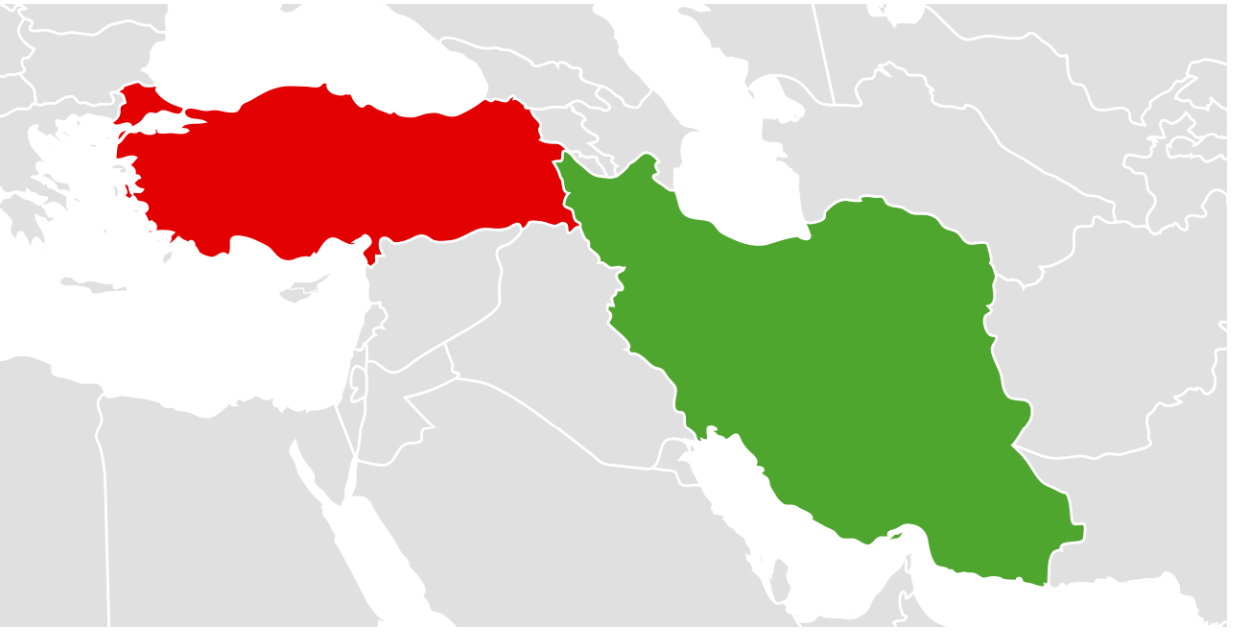 iran-tr
The escalating friction between the United States and Iran has cast a long shadow over the Middle East, leaving the future of the Gulf nations in a state of high uncertainty. Critics argue that aggressive strategic maneuvers have placed loyal regional allies—including Qatar, Saudi Arabia, Kuwait, Bahrain, and particularly the United Arab Emirates—into a volatile security vacuum. As the foundational stability of these nations is challenged, the economic repercussions are already visible through canceled investments and a cooling real estate market.
Strategic Incentives to Attract Global Capital
Recognizing the potential displacement of capital from hubs like Dubai, the Turkish government has unveiled a comprehensive package of financial and legal reforms. Announced by President Erdoğan, these measures aim to transform Türkiye into the primary destination for international direct investment by offering unparalleled advantages.
A central component of this strategy involves the Istanbul Finance Center, where tax incentives have been significantly expanded. Key updates include:
-
Full Tax Exemptions: The previous 50% tax deduction on transit trade and international purchase/sale profits has been increased to 100%.
-
Corporate Tax Relief: Approximately 95% of earnings from these activities will be exempt from corporate tax for a duration of 20 years.
-
Support for Entrepreneurs: Tax exemptions for entrepreneurs providing services abroad have been increased from 80% to 100%, along with wage exemptions for highly qualified personnel.
-
Regional Hub Incentives: Global corporations relocating their regional headquarters to Türkiye will benefit from tailored tax advantages for managing their international operations from a Turkish base.
Can Türkiye Become the Next Global Financial Hub?
The ambition to mirror or surpass Dubai’s economic model is a significant pivot. Analysts suggest that Türkiye’s struggle to retain domestic capital and attract foreign investment in recent years has been a notable hurdle. However, the country possesses inherent advantages that many Gulf states lack, including its NATO membership, ongoing (though paused) EU negotiations, and a massive, diversified industrial capacity.
Experts emphasize that while financial incentives are vital, the “Dubai goal” is most attainable through institutional stability. The primary path to unlocking the estimated decade-long blockage of foreign capital lies in strengthening the rule of law. By ensuring the absolute security of property rights, eliminating arbitrary judicial interventions, and fostering a predictable legal environment, Türkiye can reclaim its status as a top-tier global investment magnet.
Source: karar
Related articles

The “Third Front”: Kurdish Insurgency and Tehran’s Sweeping Internal Crackdown
Neo-Ottoman Vision of Turkey: Strategic Pillars Face Strain
Turkish FM Fidan Warns Israel Is Seeking Opportunity to Strike Iran, Signals Possible Extension of Syria Ceasefire