A New Fault Line in EU-Turkey Relations: Defense Pacts with Greek Cyprus
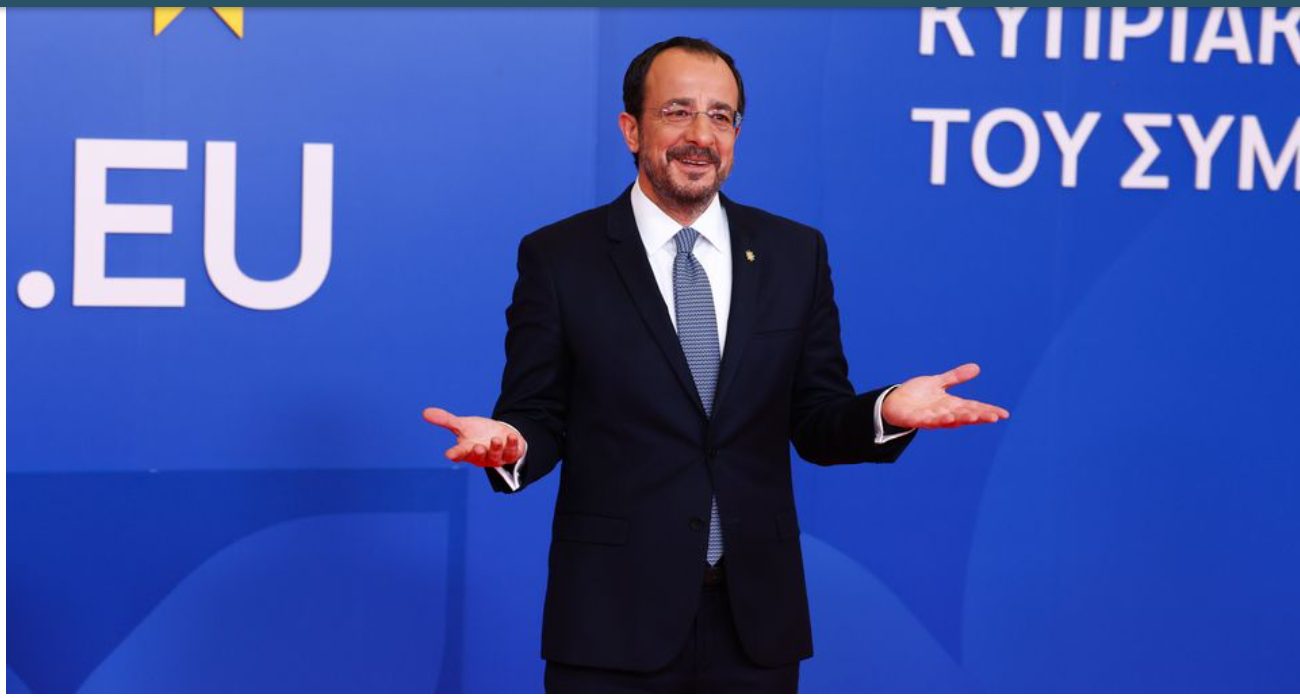 nicos christoudules
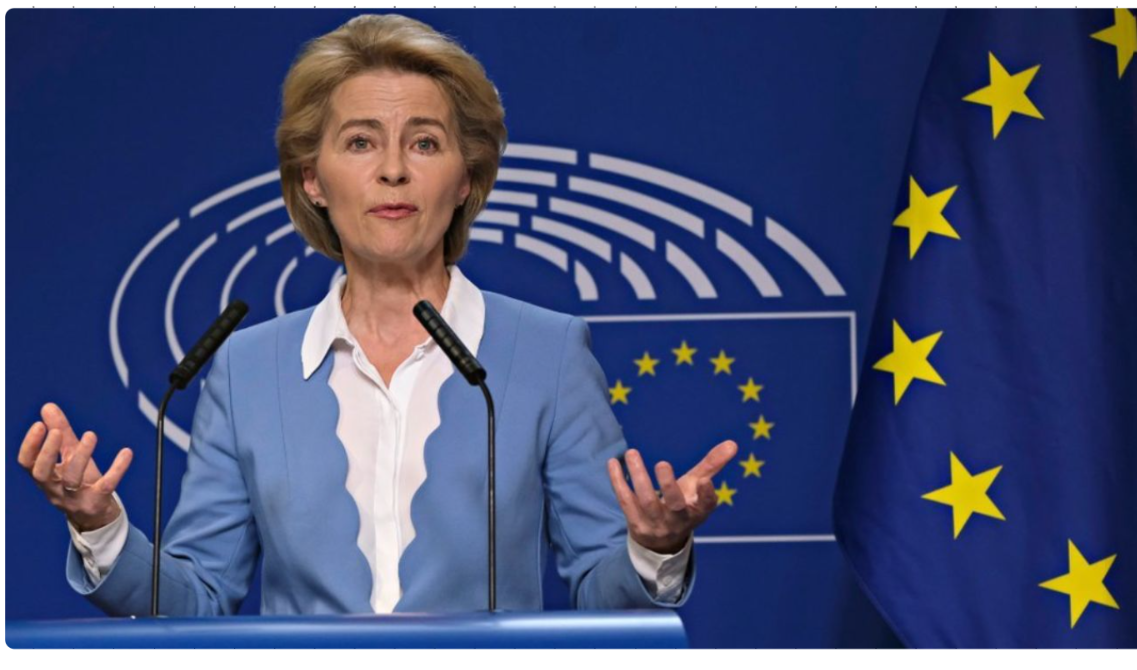
ANKARA – Relations between Turkey and the European Union, which have navigated a turbulent course for over two decades, appear to be hitting a significant new “strategic bottleneck” in 2026. The latest friction arises from European Commission President Ursula von der Leyen’s vision of “completing the European continent” and the EU’s intensified efforts to operationalize its “Mutual Defence Clause” (Article 42.7). This shift is emerging as a formidable new obstacle, deepening the trust deficit between Ankara and Brussels.
The Shadow of Defense Over the Negotiating Table
The Cyprus issue has remained a fixture on the United Nations agenda for decades, with a persistent search for a “bi-zonal, bi-communal federation.” While a flurry of diplomatic activity in early April 2026 offered a glimmer of cautious optimism for a new round of peace talks, that hope is now being tested by the EU’s pivot toward a more militarized foreign policy.
The EU’s drive for “strategic autonomy” threatens to transform Cyprus from a diplomatic puzzle into a cornerstone of European border security and defense. Should Brussels rebrand the security of the Republic of Cyprus as a domestic EU defense obligation, it could fundamentally undermine the neutral ground established by the UN. Turkey’s historical status as a guarantor power—established under the 1960 Treaty of Guarantee—could find itself in direct legal and military conflict with the EU’s collective defense mechanisms. This “securitization” of the island’s status risks stifling civilian diplomatic channels just as they were beginning to thaw.
EU Commission: Turkey More Strategic than MERCOSUR, Touts “Powerful Military” as Security Asset
From Strategic Partnership to Geopolitical Uncertainty
The bedrock of the Turkey-EU security relationship has long been their shared membership in NATO. However, this foundation is being strained by Europe’s ambition to construct a defense pact that functions as a distinct, and occasionally competing, entity to the Atlantic alliance.
The pragmatic view—championed by figures like former European Council President Charles Michel, who describes Turkey as an “indispensable energy and migration partner”—is increasingly clashing with von der Leyen’s more “identitarian” and “continental” enlargement vision. When Turkey’s regional influence is viewed by Brussels as a “malign threat” to be contained rather than a “strategic asset” to be integrated, win-win formulas like the modernization of the Customs Union or visa liberalization are pushed further out of reach.
The Great Continental Divorce: Why Europe is Turning Turkey into a “Zombie” Rival
A Fragile Landscape: The 2026 Projection
As we move through 2026, the prospects for a lasting peace in Cyprus remain alive but exceptionally fragile. The language of exclusion used in recent EU rhetoric risks alienating Ankara, potentially accelerating a pivot toward alternative global blocs like the BRICS+ or the Shanghai Cooperation Organization (SCO).
Ultimately, for the Cyprus peace process to succeed, the EU’s evolving defense policies must find a way to be inclusive rather than confrontational. Turkey and Europe remain deeply intertwined through geography, trade, and shared security challenges. If “mutual defense” is framed in a way that creates new walls rather than bridges, the victims will not only be the residents of Cyprus but the long-term stability of the entire Eastern Mediterranean.
eKatimerini, PATurkey newsdesk
Related articles

The Great Continental Divorce: Why Europe is Turning Turkey into a “Zombie” Rival
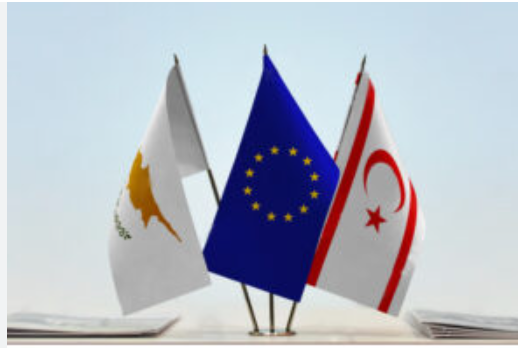
EU makes better relations with Turkey conditional on Cyprus peace

Türkiye Condemns Greek Cyprus-Egypt Hydrocarbon Deal