The Great Continental Divorce: Why Europe is Turning Turkey into a “Zombie” Rival
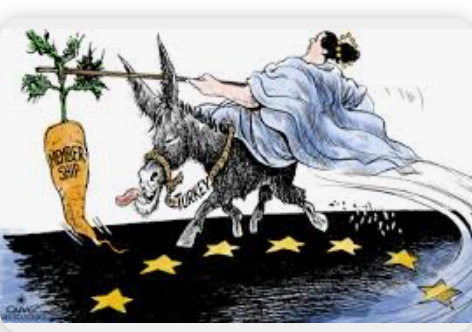 eu turkey out
BRUSSELS – The dream of a unified “Greater Europe” stretching from the Atlantic to the Bosporus is officially on life support. Following a series of provocative statements from European Commission President Ursula von der Leyen and a public spat with her rival, Charles Michel, the European Union appears to be pivoting toward a new, exclusionary ideology that places Turkey firmly outside the “European family.”
The Slip That Revealed the Soul
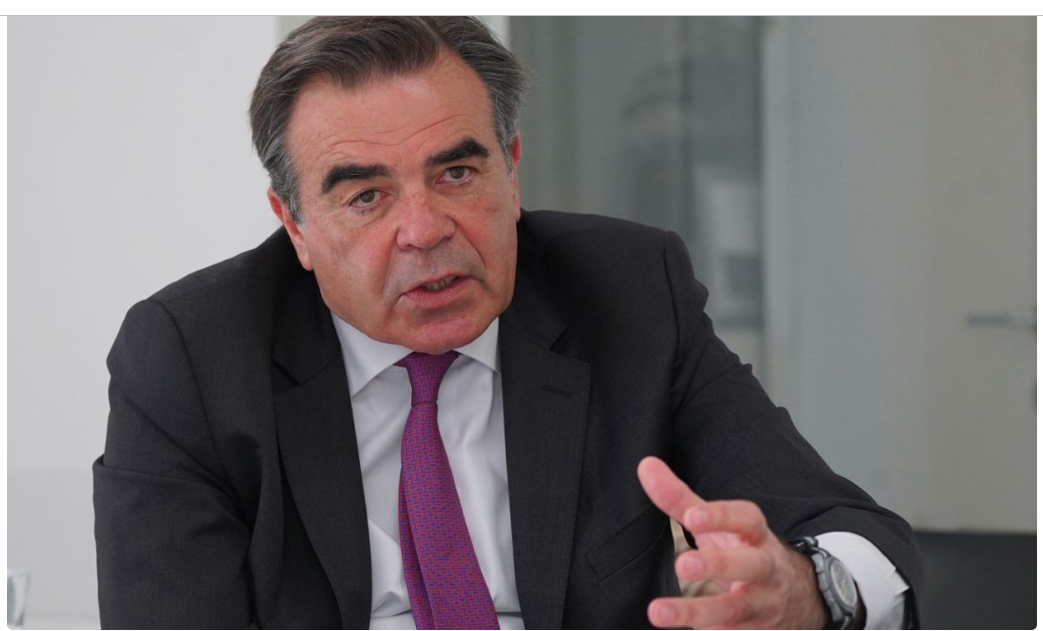
The current firestorm was ignited when Ursula von der Leyen, speaking at an event hosted by Die Zeit, argued that the EU must enlarge to prevent the Western Balkans from falling under “Russian, Turkish, or Chinese influence.”
The inclusion of Turkey—a NATO ally and a country that has technically been a candidate for EU membership since 1999—alongside Russia and China sent shockwaves through Ankara. While the Commission attempted to walk back the comments by citing Turkey’s “geopolitical clout,” the damage was done.
Analysts like Arnaud Bertrand suggest this wasn’t a gaffe, but a “Freudian slip.” It signals a shift in the EU’s search for a new unifying vision. With the decline of American-led global liberalism and the potential retreat of the U.S. from NATO, Europe is desperate for a new “reason to be.” Increasingly, that reason is being defined not by what Europe is, but by what it is not.
“Zombie-Movie Logic”
Bertrand argues that von der Leyen is adopting a “zombie-movie logic” toward geopolitics. In this framework, the EU is the “safe zone” of ideological purity. Everything outside the zone is “contaminated” by the influence of rival powers. To prevent the Western Balkans from “turning,” the EU must hurry them inside the walls before they become “contaminants” themselves.
By this logic, Turkey is no longer a partner in waiting; it is a “zombie”—a power that has already been contaminated by its own ambitions and must be kept at bay to save the remaining “uncontaminated” parts of the continent.
This is a dangerous development for a continent with a historical “talent for ideological extremism,” as Bertrand notes. When Europe moves toward totalizing ideologies—whether they lead to the construction of Notre Dame or the horrors of the 20th century—the results are rarely subtle.
The Michel-von der Leyen Schism
The internal EU divide was laid bare when Charles Michel, the former European Council President, took to X (formerly Twitter) to blast von der Leyen’s “double standards.”
Michel defended Ankara as a “core NATO ally, a key migration partner, and a serious regional power.” His view represents the pragmatic, transactional wing of European politics: the realization that Europe cannot meet its energy needs or manage migration without a functional relationship with Turkey.
However, Michel’s pragmatism is increasingly overshadowed by von der Leyen’s “geopolitical” vision. The result is a paralyzed EU: too dependent on Turkey to break ties completely, but too ideologically hostile to offer the one thing Ankara desperately needs: an updated Customs Union agreement.
The Cyprus Deadlock
From the Turkish perspective, the exclusion is not just ideological; it is structural. Yusuf Erim, a prominent Turkish commentator, points out that the EU’s decision to admit Cyprus in 2004—despite the rejection of the UN’s Annan reunification plan by Greek Cypriots—has permanently poisoned the well.
“Turkish Cypriots live under embargo while the EU expects healthy negotiations,” Erim argues. He maintains that Turkey’s military presence is the only security guarantee for the Turkish community against “maximalist demands” and the “Enosis ideology” (union with Greece) that fueled past conflicts.
For Ankara, the EU’s current stance is a betrayal of its role as an honest broker. By subsidizing one side of a conflict and embargoing the other, the EU has made a diplomatic solution nearly impossible.
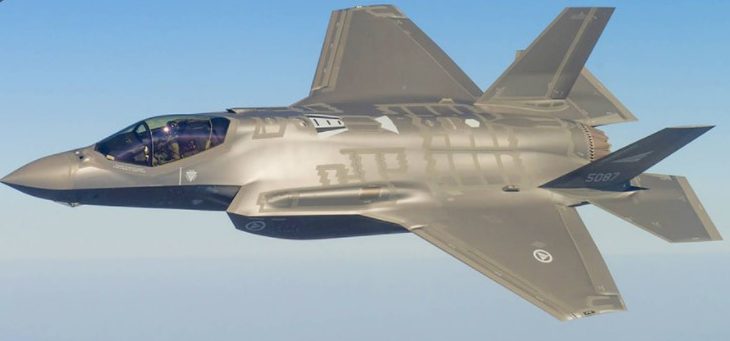
US Envoy Barrack Calls Türkiye’s F-35 Exclusion ‘Insane,’ Sees Breakthrough Within Months
A New Customs Union: The Impossible Prize?
Turkey’s economy is at a crossroads. To modernize and move up the value chain, it requires a revised Customs Union that includes services, e-commerce, and agriculture. Yet, in Brussels, this is seen as a massive political concession.
The EU’s current hesitance is fueled by a mix of genuine concern over President Erdogan’s “absolute transactionalism” and a deeper, more visceral fear of Turkish “clout.” If the EU enlarges to the Balkans to escape Turkish influence, it is highly unlikely to give Turkey the economic keys to the European market.
Conclusion: The Fortress Mindset
As we look toward the remainder of 2026, the trend is clear. The EU is building a “Fortress Europe,” not just with physical walls, but with ideological ones.
Turkey finds itself in a geopolitical purgatory. It is too big to ignore, too powerful to bully, but—in the eyes of the current Brussels leadership—too “different” to ever truly belong. The tragedy is that in its quest to “complete the continent,” the EU may be alienating the very power it needs to ensure its long-term security on its southern flank.
If Europe continues to treat its neighbors as “zombies” to be avoided rather than partners to be integrated, it may find that the walls it builds to keep the world out eventually become the walls that keep Europe in—isolated, stagnant, and alone.
PA Turkey newsdesk
Related articles
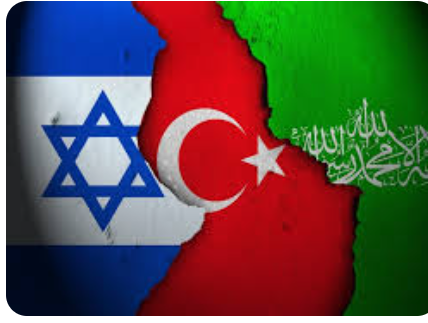
Beyond Gaza: Strategic Fault Lines in Turkey–Israel Relations
Turkey pursues positive momentum in Eurofighter negotiations: Report
United States proposed selling F-16 fighter jets to Turkey