



Ankara Beltway Privatization: CHP Claims Plan Will Cost 178B TL
 ankara-highway
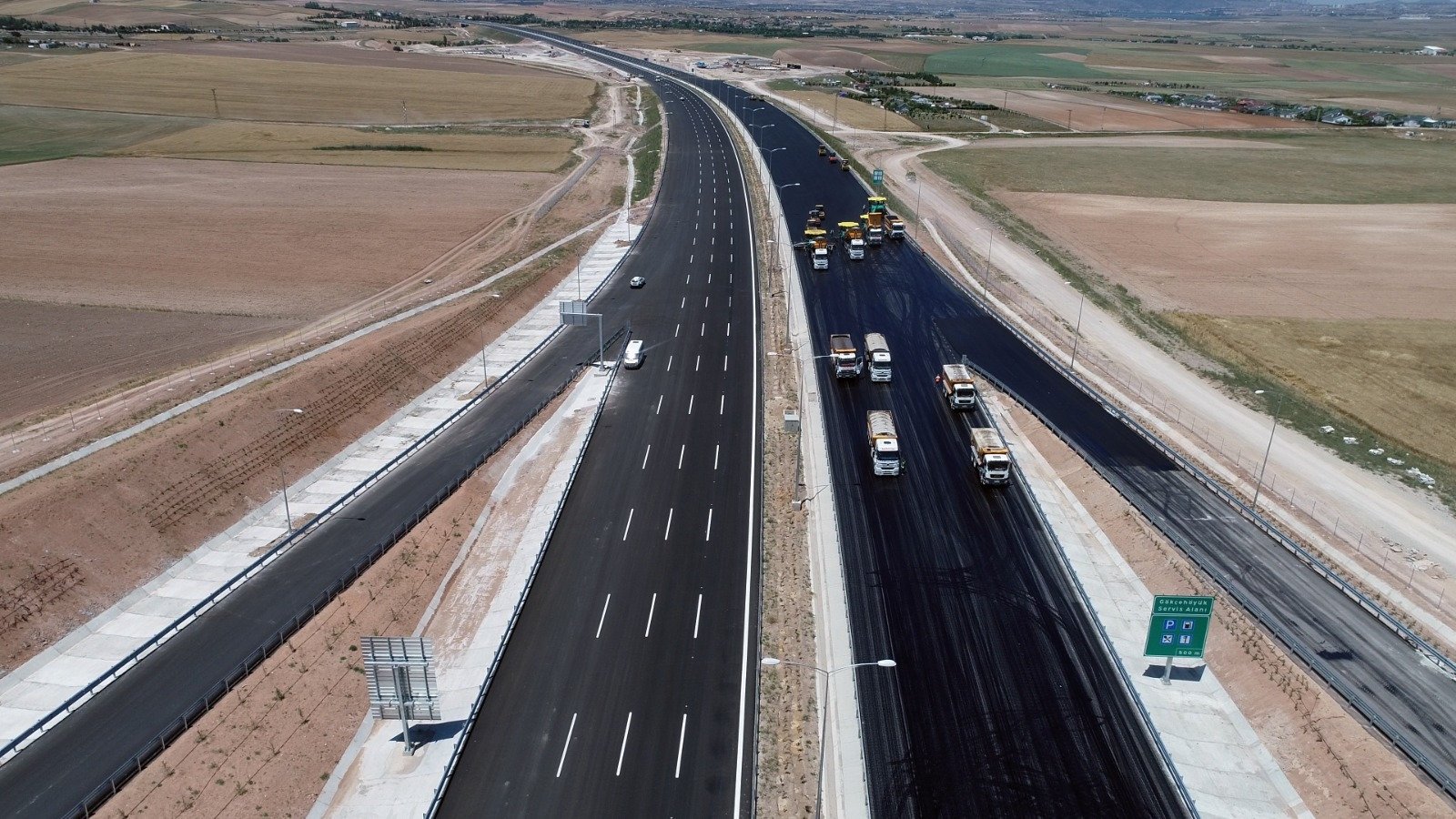
The Ankara Beltway Privatization has become a focal point of intense political debate following claims by CHP Deputy Chairman Deniz Yavuzyılmaz. According to the deputy, the 120-kilometer highway—currently operated free of charge by the General Directorate of Highways (KGM)—is slated for a 25-year transfer to the private sector. Yavuzyılmaz warns that this move will transform a public road funded by taxpayer money into a multi-billion dollar revenue stream for private corporations.
Projected Toll Rates for Capital Commuters
If the Ankara Beltway Privatization moves forward, the currently free routes will carry significant costs for Ankara residents. Based on existing Build-Operate-Transfer (BOT) models, the projected one-way tolls for various segments are estimated as follows:
| Route Segment | Estimated Toll Rate |
| Konya Junction – Eskişehir Junction | 81 TL |
| Esenboğa Junction – Samsun Junction | 56 TL |
| Istanbul Junction – İvedik Junction | 39 TL |
| Ayaş Junction – Istanbul Junction | 27 TL |
Financial Impact: A $4 Billion Revenue Stream
The scale of the Ankara Beltway Privatization is evident in the massive traffic volume the road handles. Yavuzyılmaz provided a 25-year financial projection based on current traffic data:
-
Annual Traffic: Approximately 189.3 million vehicles used the beltway in 2025.
-
Annual Revenue: The operating company is expected to generate at least 7.13 billion TL annually.
-
Total 25-Year Volume: The total payout from citizens’ pockets is estimated at 4 billion dollars (approx. 178 billion TL) over a quarter-century.
“A Plan for Robbery”: The Opposition’s Stance
Yavuzyılmaz labeled the plan a “robbery scheme,” arguing that the public has already paid for the construction and maintenance of these roads through taxes. “The path is being cleared for citizens to be robbed again on roads they have already paid for multiple times,” the CHP deputy stated.
Key Concerns Raised:
-
Foreign Interest: Reports suggest a Portuguese firm is a primary candidate for the privatization package.
-
Broader Scope: The Ankara project is allegedly part of a larger bundle involving five separate highways, which could collectively generate up to 542 billion TL for private operators.
-
Social State Principles: Critics argue that privatizing essential, existing city infrastructure violates the principle of social welfare.
As of April 22, 2026, the Ministry of Transport has not yet issued a formal confirmation of the tender dates, but the opposition vows to bring the issue to the floor of the Grand National Assembly (TBMM) to prevent the “commercialization” of the capital’s most critical transit artery.
Source: karar