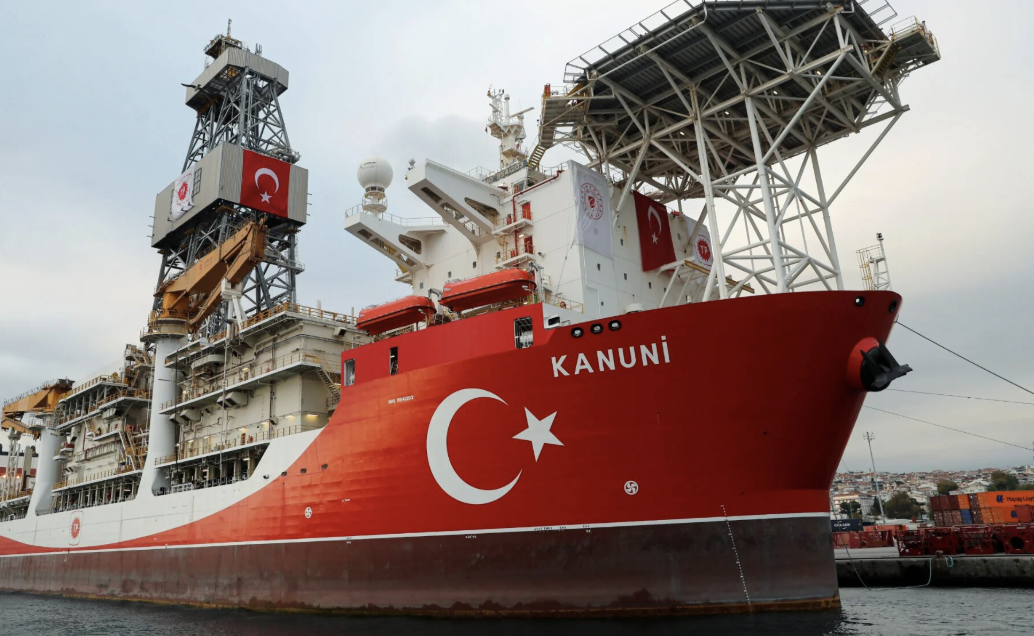
Türkiye Wants to Renew Iran Gas Deal as Supply Diversification Gains Urgency
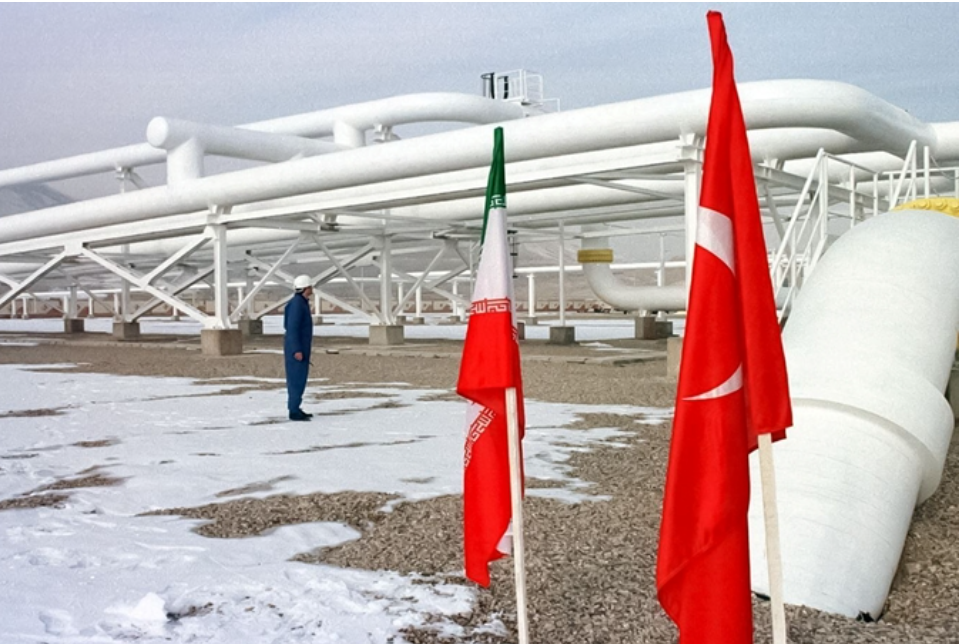 iran gazı
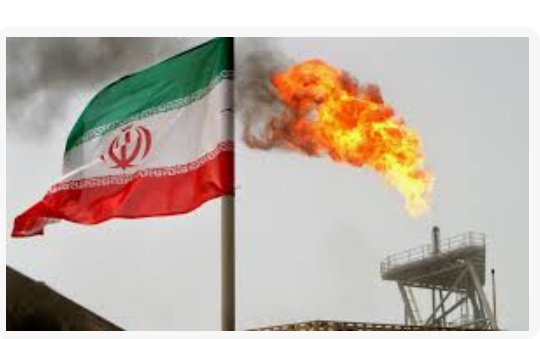
Türkiye’s long-term natural gas import contract with Iran is set to expire in July, with no formal extension talks underway yet, Energy Minister Alparslan Bayraktar said. While Ankara may seek to renew the deal for supply security, it is simultaneously accelerating diversification efforts and expanding domestic energy production to reduce external dependence.
Iran gas contract nearing expiry
Alparslan Bayraktar confirmed that Türkiye’s gas import agreement with Iran — which supplies up to 9.6 billion cubic metres (bcm) annually — is approaching its expiration.
However, actual deliveries have consistently fallen below contracted levels. In 2025:
- Türkiye imported 7.6 bcm from Iran
- This accounted for roughly 13% of total gas imports
Bayraktar noted that while the pipeline remains strategically important:
“We may need this gas for supply security. But there are currently no negotiations underway.”
He added that regional tensions linked to the Iran war have delayed any formal discussions.
Supply security vs geopolitical constraints
The minister indicated that Türkiye could revisit extension talks once conditions stabilize.
“We might sit down and discuss a potential extension,” he said, while acknowledging that both sides are currently preoccupied with geopolitical developments.
The uncertainty underscores Türkiye’s continued vulnerability to regional disruptions in energy flows.
Fatih Birol proposes Basra–Ceyhan pipeline as ‘golden opportunity’ amid Hormuz risks
Diversification strategy: LNG and Russian supply
Ankara is actively pursuing alternative energy sources to reduce reliance on any single supplier.
Bayraktar highlighted ongoing efforts to:
- Diversify imports
- Expand liquefied natural gas (LNG) capacity
- Strengthen long-term supply agreements
Although media reports suggested Türkiye granted a long-term LNG import license to BOTAŞ for Russian supplies, Bayraktar clarified:
“We have not yet started importing LNG from Russia.”
Currently, Russian gas already plays a major role via:
- BlueStream pipeline
- TurkStream pipeline
Together, these account for approximately 35% of Türkiye’s gas supply mix.
Domestic energy production reshaping the equation
Alongside diversification, Türkiye is making significant strides in domestic energy production — a key pillar of its long-term strategy.
The most notable development is the Sakarya Gas Field discovery in the Black Sea, widely described as the largest in the country’s history.
Key milestones include:
- Production launched at Filyos facility in April 2023
- Daily output reached 8.8 million cubic metres by April 2025
- Annual production hit 3.2 bcm in 2025, up 39% year-on-year
Future targets are ambitious:
- 20 million cubic metres/day by 2026
- 40 million cubic metres/day by 2028
If achieved, annual output could reach 14.6 bcm, significantly reducing import dependence.
Turkey Promotes “Middle Corridor” as Alternative to Hormuz Trade Routes
Oil production gains from Gabar field
On the oil side, Türkiye has also boosted output from the Gabar Mountain oil field.
- Production ranges between 45,000–80,000 barrels/day
- Total oil output reached 47.9 million barrels in 2025
Economic impact and limitations
Domestic production is already easing pressure on Türkiye’s energy bill:
- Sakarya gas alone reduced imports by $300–350 million in early 2024
- Potential annual savings could reach billions of dollars
However, structural dependence remains:
- Total gas demand: 55–58 bcm annually
- Domestic output covers only 4–6% of consumption
Related articles
Turkey faces Power Outages never seen before as Iran Halts Gas Flows
U.S. Sanctions on Russian Oil Giants Send Shockwaves Across Asia — and Put Turkey in the Crosshairs
Israel-Iran Energy Escalation Tests Türkiye’s Gas Supply Resilience