Fatih Birol proposes Basra–Ceyhan pipeline as ‘golden opportunity’ amid Hormuz risks
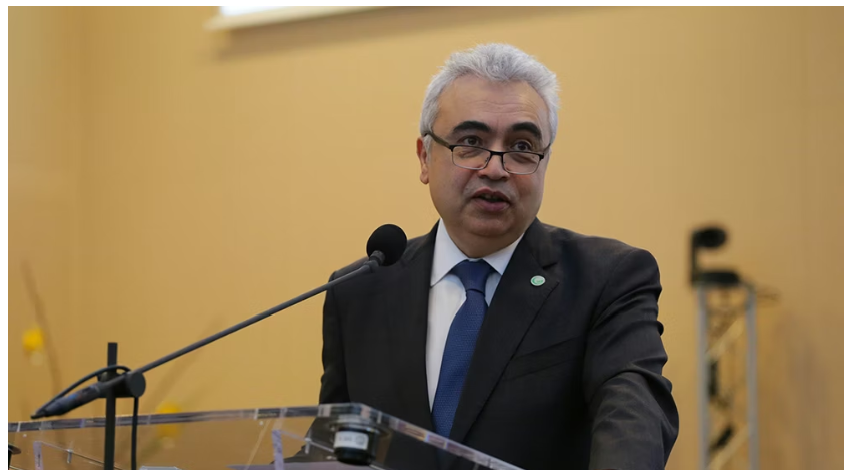 fatih birol
IEA chief Fatih Birol warns that the Strait of Hormuz crisis has permanently altered global energy dynamics, calling for alternative routes such as a Basra–Ceyhan pipeline via Türkiye to enhance supply security for Europe and global markets.
Hormuz risk now a permanent feature of energy markets
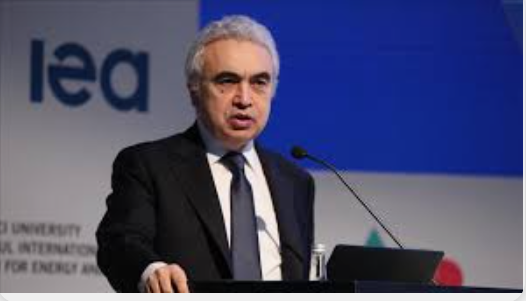
Fatih Birol said the temporary reopening of the Strait of Hormuz offered short-term relief, but the risk of disruption is now embedded in global energy calculations.
He warned that:
- The possibility of closure will remain a constant geopolitical threat
- Energy markets will increasingly factor in disruption risk
- Countries will accelerate efforts to diversify supply routes and technologies
Birol added that damage to refineries, LNG terminals, and oil and gas infrastructure in the region could take significant time to repair, limiting supply recovery.
Global oil supply stretched to its limits
Birol emphasized that global oil production is already operating near maximum capacity, leaving little room for supply increases.
He outlined two short-term options:
- Keeping Hormuz open and secure
- Releasing additional volumes from strategic reserves
However, he stressed that reserves are finite and cannot substitute for long-term structural solutions.
Atilla Yesilada: The Chief Has Driven Us Into a Collective Psychosis
Dual opportunity for Türkiye: finance and energy
Looking beyond the immediate crisis, Birol argued that the post-war Middle East will not resemble its previous economic and political structure.
He identified two strategic opportunities for Türkiye:
1. Istanbul as a financial hub
Birol suggested that Istanbul could emerge as an alternative to Dubai as a regional financial center, as some global firms reassess geopolitical risks.
To achieve this, Türkiye would need:
- Simplified tax structures
- Competitive financial incentives
- Sustained macroeconomic stability
2. Basra–Ceyhan pipeline gains urgency
Birol’s most notable proposal was the development of a new pipeline connecting Iraq’s Basra oil fields to Türkiye’s Mediterranean coast via Ceyhan.
He highlighted that:
- Iraq holds roughly 90 billion barrels of oil reserves
- Around 90% of its exports pass through Basra and Hormuz
Given rising risks in Hormuz, alternative export routes are becoming increasingly critical.
“Once the system is disrupted, restoring confidence is extremely difficult,” Birol said, suggesting the need for structural diversification.
Turkey Promotes “Middle Corridor” as Alternative to Hormuz Trade Routes
Strategic benefits for multiple stakeholders
According to Birol, a Basra–Ceyhan pipeline would:
- Provide Türkiye with a major strategic and economic advantage
- Offer Iraq a more secure export route
- Enhance Europe’s long-term energy security
He noted that discussions around the project had taken place in the past, but current geopolitical conditions have transformed it from an option into a necessity.
European financing likely
Birol said the project could attract international financing, particularly from Europe, where energy security concerns have intensified.
He identified two key requirements:
- Political agreement between Türkiye and Iraq
- Securing large-scale funding
Given current geopolitical dynamics, he suggested that “now is the right time” to advance the project.
Energy security premium reshaping decisions
Birol emphasized that energy investment decisions are no longer based solely on cost and technology.
A new factor has emerged:
- Energy security risk premium
Countries are increasingly willing to pay more for reliable and geopolitically secure supply sources.
Warning: May could be a critical turning point
Birol cautioned that if tensions persist into late May:
- Oil prices could surge further
- Supply shortages could emerge in refined products such as jet fuel and diesel
- Flight disruptions may occur
- Supply chains for fertilizers and petrochemicals could be affected
These risks underline the systemic importance of secure energy transit routes.
Conclusion: A strategic window for Türkiye
The Hormuz crisis is accelerating a structural shift in global energy markets, with supply security becoming a top priority.
Birol’s Basra–Ceyhan proposal highlights how Türkiye could leverage its geographic position to become a critical energy corridor, strengthening its role in regional and global energy security.
Source: Hurriyet Daily
PA Turkey intends to inform Turkey watchers with diverse views and opinions. Articles in our website may not necessarily represent the view of our editorial board or count as endorsement.
Follow our English language YouTube videos @ REAL TURKEY: https://www.youtube.com/channel/UCKpFJB4GFiNkhmpVZQ_d9Rg
And content at Twitter: @AtillaEng
Facebook: Real Turkey Channel: https://www.facebook.com/realturkeychannel/***