Şimşek Signals Opportunity for Türkiye Amid Global Shocks, Urges Structural Reform Push
 mehmet simsek3
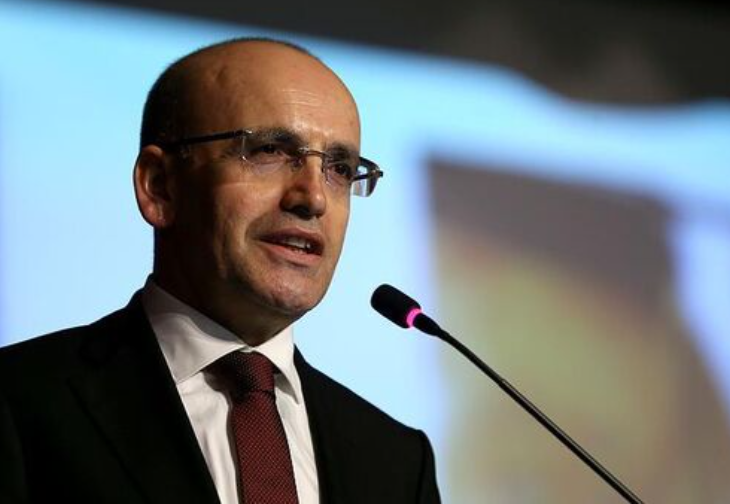
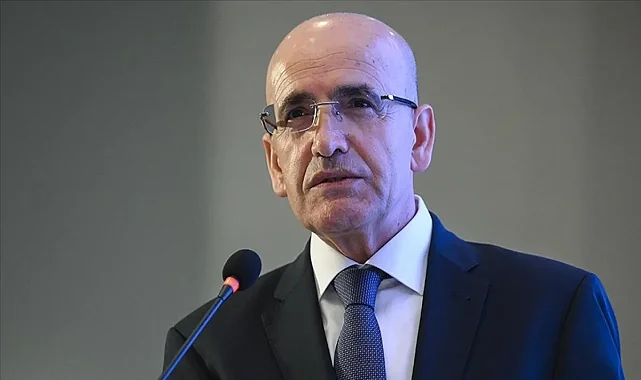
Treasury and Finance Minister Mehmet Şimşek said global economic shocks present a window of opportunity for Türkiye, calling for reforms in energy, trade corridors, and digital infrastructure. Speaking at the IMF–World Bank Spring Meetings, Şimşek stressed that crises should be used to drive long-term transformation rather than be “wasted.”
“Crises create opportunity”
Mehmet Şimşek said Türkiye sees significant upside potential despite rising global risks.
Speaking at a panel titled “The Future of Economic Integration in a Fragmenting World”, Şimşek emphasized:
“We believe there are opportunities for Türkiye. We must not waste this shock.”
He referenced economist Milton Friedman’s view that crises often trigger meaningful reform, arguing that Türkiye should use the current environment to accelerate structural change.
Call for a new global risk management framework
Şimşek warned that the pre-crisis global economic model — built on stable geopolitics — is no longer valid.
He called for:
- A new framework to manage risks before they escalate
- Greater resilience against geopolitical shocks
- Reduced dependence on vulnerable supply chains
Energy security, he noted, is at the center of this transformation.
Energy diversification limits exposure to Hormuz risks
Şimşek said Türkiye’s exposure to disruptions in the Strait of Hormuz remains relatively limited thanks to diversification efforts.
Key pillars of Türkiye’s strategy include:
- Expanded LNG capacity
- Extensive pipeline infrastructure across Anatolia
- Multiple supply routes
Middle Corridor and new trade routes gain importance
Looking ahead, Şimşek highlighted the growing importance of alternative trade corridors, particularly the Middle Corridor, linking Asia to Europe via Türkiye.
He also confirmed that Türkiye signed an $8.1 billion financing agreement with the World Bank, aimed at strengthening rail connectivity through Istanbul into Europe.
Additionally, Ankara is in talks with Iraq to reconnect Gulf economies to Türkiye’s infrastructure network.
“We must act proactively and invest in new corridors and supply chains,” Şimşek said.
Fatih Birol proposes Basra–Ceyhan pipeline as ‘golden opportunity’ amid Hormuz risks
Türkiye positioned as regional hub
Şimşek underlined Türkiye’s strategic advantage:
- Strong integration with Europe
- Active engagement with emerging markets
- Over $400 billion invested in infrastructure over the past two decades
He described Türkiye as a natural platform for:
- Risk diversification
- Production relocation (nearshoring/friendshoring)
EU ties remain key—but alternatives expanding
Şimşek reiterated Türkiye’s commitment to deeper economic integration with the European Union, including updating the Customs Union to cover:
- Services
- Agriculture
- Public procurement
However, he acknowledged political constraints in Europe have slowed progress.
As a result, Türkiye is expanding focus toward:
- Central Asia
- Middle East
- North Africa
- Africa
“We do not have to choose between regions,” he said.
ING: Geopolitical Pressures Weigh on Türkiye’s Economy as Inflation Risks Rise
Energy corridors and regional strategy
Şimşek outlined short-term priorities including:
- Connecting Turkmenistan to Türkiye’s gas corridor
- Redirecting Gulf energy flows through alternative northern routes
He emphasized that global interdependence remains unavoidable, but risks must be managed more effectively.
Fiscal discipline and policy flexibility
Şimşek highlighted Türkiye’s fiscal position as a key strength:
- Budget deficit kept near 3% of GDP
- Debt-to-GDP ratio below 24%
- FX reserves rebuilt
He noted that fuel tax adjustments have helped absorb oil price shocks and limit inflation pass-through.
Reform agenda: green and digital transformation
Looking ahead, Şimşek pointed to:
- Accelerating green energy transition
- Considering nuclear power investments
- Expanding digital infrastructure, including fiber networks and 5G+
These reforms, he said, are essential to boosting long-term resilience.
Conclusion: Turning crisis into transformation
Şimşek’s message was clear: global shocks are unavoidable, but how countries respond determines their future trajectory.
“We have no choice but to learn from these shocks and invest in resilience.”