OPINION: Turkey the only winner in Iran War
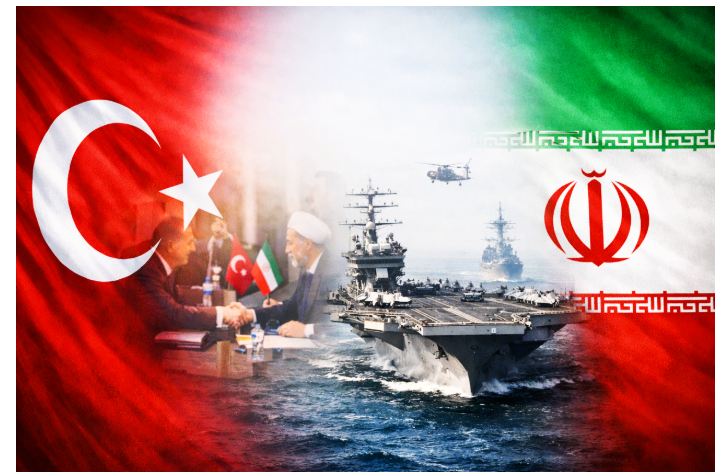 tr iran savas2
In the video titled “Iran-Israel Conflict: How Turkey Becomes the Strategic Winner,” economic analyst Atilla Yeşilada provides a comprehensive deep dive into the shifting geopolitical sands of the Middle East. While the global headlines focus on the immediate volatility of oil prices and the threat of regional escalation, Yeşilada offers a contrarian and meticulously reasoned perspective: Turkey is positioned to emerge as the primary long-term beneficiary of this geopolitical realignment.
The Immediate Shock vs. Long-Term Strategy
Yeşilada begins by acknowledging the “pain points” that dominate the current discourse. The surge in Brent crude oil prices and the resulting inflationary pressure on the Turkish Lira are undeniable headwinds. However, he argues that focusing solely on these metrics misses the broader structural shifts. The conflict has fundamentally altered the security calculus of the Gulf monarchies—Saudi Arabia, Qatar, and the UAE—forcing them to diversify their security and logistics dependencies away from the volatile Persian Gulf and the increasingly unreliable mediation of traditional superpowers.
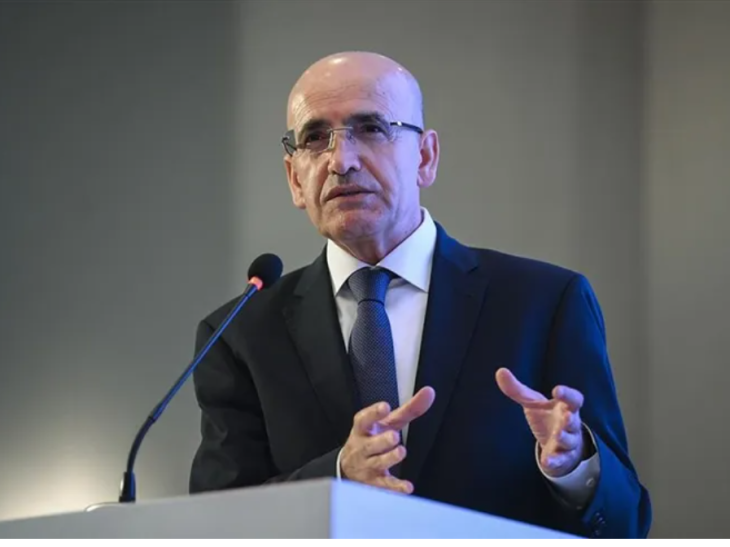
Şimşek Signals Opportunity for Türkiye Amid Global Shocks, Urges Structural Reform Push
Turkey as the Energy and Logistics “Safe Haven”
The centerpiece of Yeşilada’s thesis is Turkey’s role as the indispensable bridge between East and West. He details how the destabilization of Iranian trade routes and the threats to the Strait of Hormuz have accelerated plans for alternative corridors.
-
The New Gas Silk Road: With Europe seeking a definitive break from Russian energy and the Gulf states looking for safer export routes, Turkey’s “Hub” status is no longer a theoretical ambition but a mechanical necessity. Yeşilada highlights the potential for new pipeline projects carrying Qatari and Turkmen natural gas through Turkish territory. This doesn’t just provide transit fees; it gives Turkey significant diplomatic leverage over European energy security.
-
The “Trump Road” and Zengezur: The video touches upon the Zengezur Corridor (which some analysts have dubbed a “Trump-era” infrastructure priority). This route would connect Azerbaijan directly to Turkey, bypassing Iranian influence and providing a direct, secure land link to Central Asian markets. This corridor, according to Yeşilada, is a “game changer” for Turkish exports and regional influence.
The Defense Industry and “Security Export”
One of the most provocative points in the analysis is the evolution of the Turkish defense industry. As Gulf nations realize the limits of Western intervention (as echoed in the New York Times report regarding Israel’s influence over Trump), they are looking for regional partners with proven technological capabilities.
Yeşilada notes that Turkey’s drone technology and naval advancements are no longer just military assets; they are diplomatic tools. By becoming a primary security partner for the Gulf, Turkey secures not only massive export contracts but also deep-rooted political alliances that insulate it from regional isolation. This “Security-Trade” nexus is a pillar of Turkey’s growth strategy for 2026 and 2027.
Domestic Economic Implications: The “High Interest” Shield
Transitioning to the domestic front, Yeşilada addresses the Central Bank of the Republic of Turkey (CBRT) and the current interest rate environment. He remains a staunch advocate for the “High Interest Rate” policy as a necessary shield against global volatility.
In his view, the “carry trade” and foreign capital inflows are essential to funding the very infrastructure and defense projects that will make Turkey a winner. He warns that any premature attempt to lower rates—especially in a scenario where oil hovers at $120—would be catastrophic. Instead, he suggests that if Turkey maintains its tight monetary stance, it can weather the oil shock and emerge with a more “sophisticated” economy that is less dependent on cheap credit and more focused on high-value exports.
Advice to Investors: TL Assets and Global Bubbles
For the individual investor, Yeşilada’s message is one of cautious optimism regarding Turkish assets. He argues that global markets are currently in a “bubble” phase, overvalued and ripe for a correction as the realities of the Iran-Israel conflict set in. Conversely, Turkish Lira-denominated assets, while volatile, are backed by a real-world geopolitical “pivot” that the markets have not yet fully priced in.
He encourages investors to look past the “noise” of daily inflation data and see the “signal” of Turkey’s increasing relevance in the global supply chain. The reduction of the current account deficit (in a scenario where energy prices eventually normalize) combined with high real interest rates makes the TL a strategic hold for those with a 24-month horizon.
Conclusion: A New Regional Hegemony?
Yeşilada concludes the video by framing the current crisis not as an end, but as a transition. The “old” Middle East, dictated by the zero-sum game between Iran and Israel, is exhausting itself. Turkey, by maintaining a degree of diplomatic distance while providing the physical infrastructure for the world’s energy and trade, is quietly building a new type of regional hegemony—one based on being the “unavoidable partner.”
For policy makers in Ankara and investors worldwide, the message is clear: the road to regional stability and economic growth in the late 2020s runs through Turkey.
This is a Gemini summary of Atilla Yesilada’s Turkish language weekly YouTube video