US Envoy Barrack Calls Türkiye’s F-35 Exclusion ‘Insane,’ Sees Breakthrough Within Months
 tom barrack f35
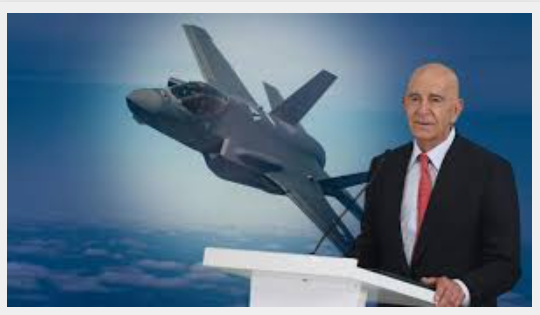
U.S. Ambassador to Türkiye Tom Barrack said Ankara’s exclusion from the F-35 program is “insane” and signaled that a resolution could be reached within months. However, legal hurdles tied to the S-400 system and strong resistance in the U.S. Congress remain key obstacles.
Signs of Movement on F-35 Dispute
Tom Barrack, who also serves as Washington’s special envoy for Syria, indicated that a long-standing dispute over Türkiye’s participation in the F-35 fighter jet program may be nearing a resolution.
Speaking at the Antalya Diplomacy Forum, Barrack described the impasse as “insane” and said a breakthrough could come within months. He pointed to what he called “surgical diplomacy” led by Secretary of State Marco Rubio, supported by the personal relationship between President Donald Trump and President Recep Tayyip Erdoğan.
S-400 Condition Remains Central
Türkiye was removed from the F-35 program in 2019 following its purchase of Russia’s S-400 air defense system, which U.S. officials argued posed a security risk to the stealth jet’s technology.
Under U.S. law, Türkiye’s re-entry into the program requires certification that it no longer possesses or operates the S-400 system and that it poses no threat to F-35 capabilities.
Barrack emphasized that any agreement would strictly adhere to these requirements, stating that “there will be no shortcuts on American security standards.”
“Don’t Play with Fire”: Mevlüt Çavuşoğlu Issues Stern Warning to South Cyprus Over Terror Ties
Strategic Case for Resolution
Barrack framed a potential resolution as a strategic necessity, noting Türkiye’s role as a key NATO ally hosting critical U.S. assets.
He argued that prolonged sanctions have created divisions within the alliance and provided opportunities for Russia to exploit.
“NATO unity against Russia and China is a core U.S. national security interest,” Barrack said, describing the current situation as a “self-inflicted liability.”
Congressional Resistance Remains Strong
Despite the optimism, Barrack’s remarks were met with immediate pushback in Washington.
Republican Senator Rick Scott stated that Türkiye should receive neither F-35 nor F-16 aircraft, citing concerns over Ankara’s alleged ties with groups such as Hamas and its relations with Russia and Iran.
The response highlights the significant political resistance any potential deal would face in Congress.
Controversy Over Hezbollah Remarks
Barrack’s comments on the F-35 issue coincided with separate remarks that drew criticism in Washington.
At the same forum, he referred to the Israel-Hezbollah ceasefire as a “time out” and said “everybody has been equally untrustworthy,” prompting criticism that he was drawing a false equivalence between a U.S. ally and a designated terrorist organization.
Barrack rejected that interpretation, saying his comments reflected the fragile realities on the ground and did not signal any shift in U.S. policy toward Hezbollah.
Focus on Containment Strategy
Barrack also clarified that the U.S. objective is not the complete elimination of Hezbollah, but rather weakening its operational capacity.
He argued that decades of military pressure alone have failed to dismantle the group, which continues to receive support from Iran. Instead, he said, the strategy aims to degrade its capabilities while strengthening state institutions in Lebanon through diplomacy.
EU Commission: Turkey More Strategic than MERCOSUR, Touts “Powerful Military” as Security Asset
Complex Path Ahead
While Barrack’s remarks suggest renewed diplomatic momentum, the path to resolving the F-35 dispute remains complex.
Legal requirements tied to the S-400 system and entrenched opposition in Congress are likely to complicate any near-term agreement.
Nevertheless, continued dialogue between Ankara and Washington keeps the possibility of a compromise on the table.
Source: Turkey Today / Fox News
Related articles
OPINION: Türkiye’s Regional Weight Is Quietly Eroding
US Envoy Barrack Says Washington–Ankara Disputes Could Be Resolved Within Months
Do Developments in Syria Threaten Türkiye’s “Terror-Free” Initiative?