The Siege of Eurasia: Why the War on Iran is a Strike at the Heart of a New World Order
 iran israel
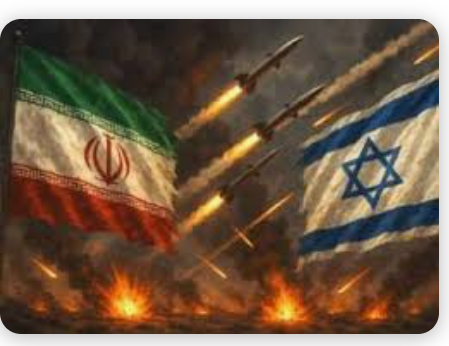
TEHRAN/WASHINGTON — As smoke rises from military installations across the Islamic Republic, it is becoming increasingly clear that the conflict unfolding in Iran is not merely a regional power struggle or a dispute over nuclear enrichment. It is a high-stakes geopolitical demolition of the “continental hinge” connecting the ambitions of China and Russia.
By targeting Iran’s core infrastructure and political leadership—headlined by the seismic assassination of Supreme Leader Ali Khamenei—the ongoing military campaign has effectively severed the central artery of the emerging multipolar order.
The Continental Hinge: Iran as Eurasia’s Node
Geographically, Iran is more than a state; it is a “hinge.” It is the only nation bridging the Caspian Sea and the Persian Gulf, providing the essential overland link between Central Asia and the Indian Ocean.
For two decades, Beijing and Moscow have treated this geography as the foundation of a West-bypassing trade architecture:
-
The Chinese Vision: Under a $400 billion strategic partnership, Beijing envisioned transforming Iranian ports into the terminal hubs for railway lines stretching from Xi’an through Central Asia into the heart of the Middle East.
-
The Russian Gateway: For Moscow, Iran is the southern escape hatch. The International North-South Transport Corridor (INSTC) reached record traffic in January 2026, offering Russia a vital alternative to Western-sanctioned northern routes.
By neutralizing Iran, the U.S. and its allies are not just weakening a regional adversary; they are dismantling the geographic coherence of the so-called “CRINK” axis (China, Russia, Iran, and North Korea).
Strategic Dependence and Regional Risk: Türkiye’s Akkuyu Nuclear Project
The Hormuz Paradox: Defensive Suffocation
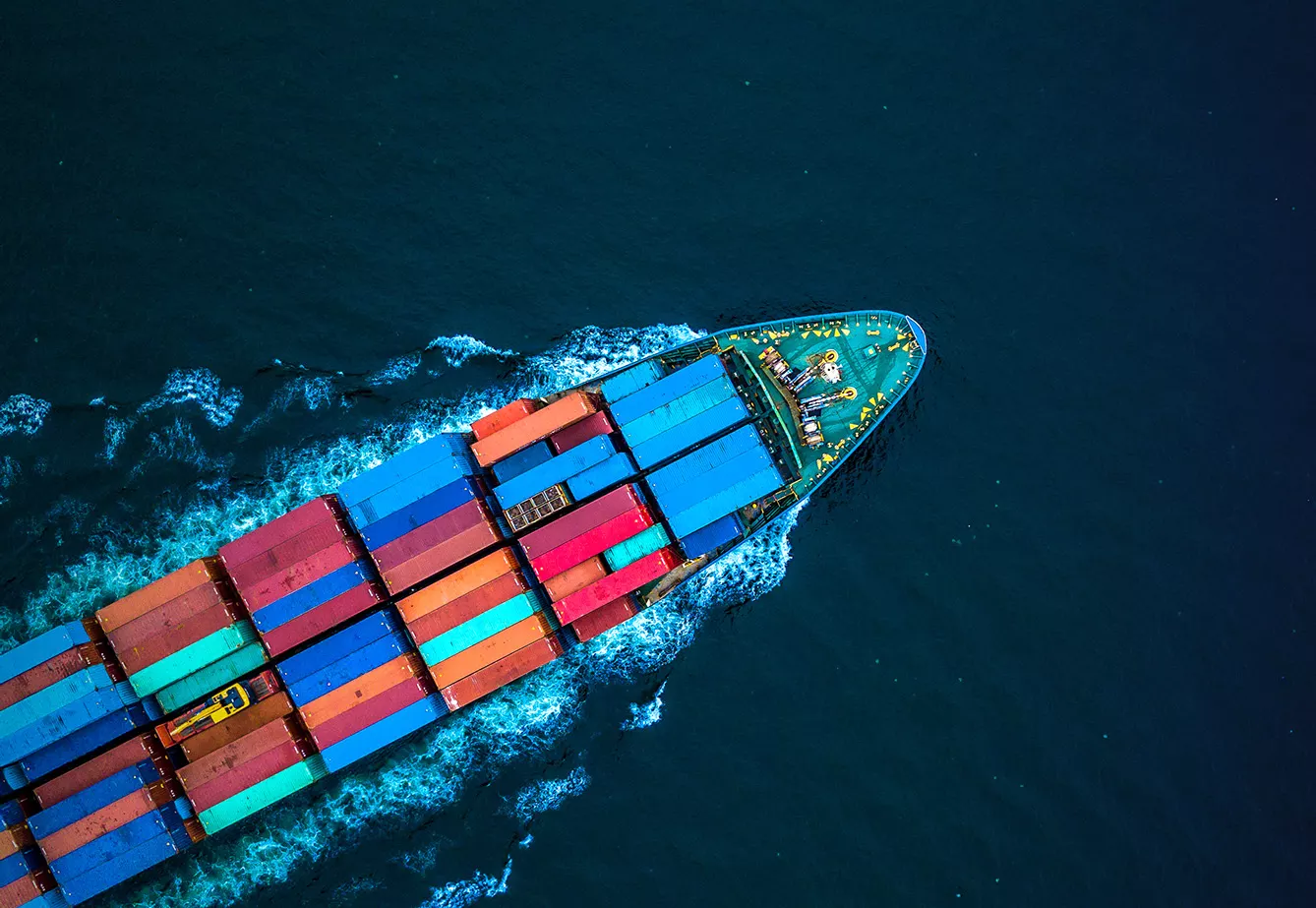
The closure of the Strait of Hormuz—the world’s most critical energy chokepoint—has introduced a brutal irony into the conflict. While the IRGC’s shutdown of the waterway was intended as a defensive “poison pill,” it has inflicted the most severe economic damage on Iran’s own allies.
With oil prices crossing the $100 per barrel mark in mid-March, China—which relies on the Strait for 70% of its Gulf oil imports—finds its industrial engine stalling. This paradox reveals a structural tension: Iran’s ultimate defensive weapon is effectively an act of economic war against the very powers (Beijing and Moscow) that are supposed to be its strategic partners.
The “Paper Tiger” Dilemma: Limits of the Axis
Perhaps the most significant revelation of the war’s opening weeks is the absence of a collective defense mechanism within the Eurasian bloc. Despite the existential nature of the strikes on Tehran, the responses from Beijing and Moscow have been conspicuously confined to rhetoric:
-
Beijing: Confined itself to verbal condemnations, calling the strikes a “grave violation of sovereignty.”
-
Moscow: President Vladimir Putin offered a restrained condolence message on the death of Khamenei, a move interpreted by many as a calculated effort to protect ongoing back-channel negotiations with Washington regarding the Ukraine conflict.
This disconnect proves that while the Eurasian project is a formidable economic and political force, it lacks a credible security umbrella. For nations considering a pivot away from the West, the message is stark: the “multipolar order” offers no military guarantees when the Tomahawks start flying.
A Global Pattern: Reasserting the Dollar
The war in Iran appears to be part of a broader, systematic disruption of “non-dollar” economic nodes. From the removal of President Nicolas Maduro in Venezuela in January 2026 to the current campaign in Iran, Washington is targeting the specific corridors where oil is settled in Yuan and trade is conducted outside the SWIFT system.
By asserting control over the Strait of Hormuz—either through a neutralized Iran or a dominant naval presence—Washington regains its “hand on the throat” of Chinese energy security.
The Decisive Question
We are currently witnessing a fateful test of whether the multipolar order can withstand direct military force. The ultimate outcome hinges on one question: Can Washington successfully disrupt these interconnected corridors without triggering a radical, less containable counter-reaction? Or will the attempt to strangle multipolarity by force drive Beijing and Moscow into a much more dangerous, military-first alliance that the world is not prepared for?
Source: Middle East Council on Global Affairs
This is an AI adaptation of the original article