Tensions Rise in Ankara as PKK Statement Jolts “Terror-Free Türkiye” Process
 cadi kazanı
Türkiye’s fragile “terror-free” initiative has entered a new phase of uncertainty after a sharp statement from Murat Karayılan suggested the process has effectively been frozen. The remarks, combined with a surprise meeting between Recep Tayyip Erdoğan and Devlet Bahçeli, have intensified political speculation, while signs of internal friction within both Kurdish political circles and the ruling alliance continue to emerge.
PKK Signals Breakdown in Process
Karayılan’s statement marked one of the clearest indications yet that the long-discussed reconciliation framework may have stalled.
He argued that:
- Promised legal reforms have been repeatedly delayed
- No recent contact has taken place with Abdullah Öcalan
- The process has effectively been “frozen” at the state level
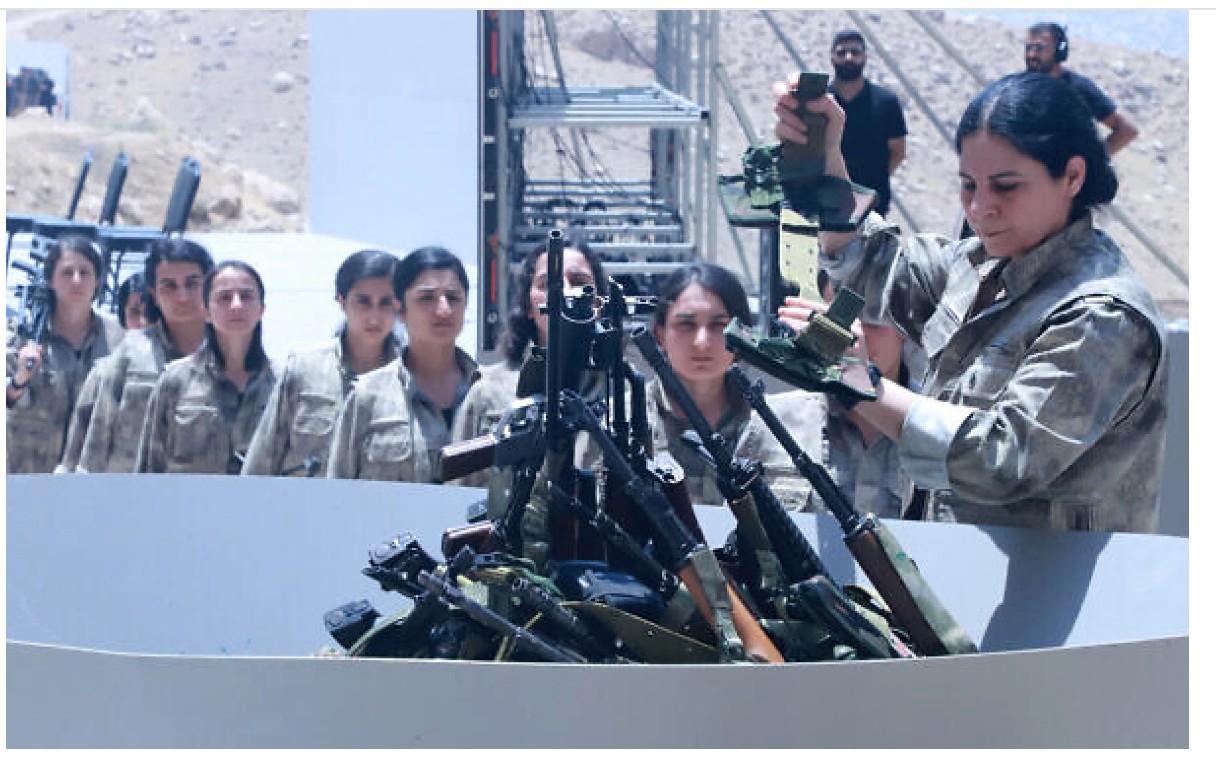
According to Karayılan, the government’s sequencing—demanding disarmament before legal guarantees—is not viable under current regional conditions.
He emphasized that without legal and political assurances, laying down arms would be unrealistic, particularly given ongoing instability across the Middle East.
Öcalan’s Role Seen as Critical
A key point in Karayılan’s remarks was the central role of Öcalan in any potential resolution.
He stated that:
- The decision to dissolve the organization and end armed struggle was tied to Öcalan’s position
- Any disarmament process would need to be managed under his leadership
- Progress would be unlikely without changes to his current status
This position underscores a major sticking point in negotiations, with Ankara historically reluctant to engage on such terms.
Power Struggles Intensify Within Türkiye’s Ruling Bloc as MHP Turmoil Deepens
Erdoğan–Bahçeli Meeting Fuels Speculation
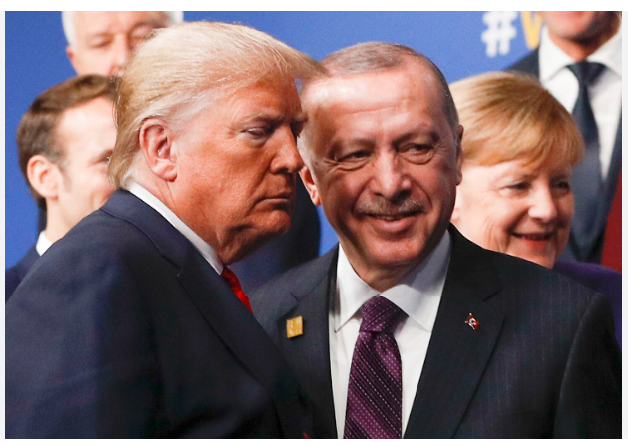
Shortly after the statement, Erdoğan and Bahçeli held an unannounced meeting at the presidential complex.
- The meeting lasted around one hour
- No official statement was released afterward
However, pro-government media indicated that:
- The “terror-free Türkiye” initiative was discussed
- Regional developments and domestic political dynamics were reviewed
The lack of detail has only deepened speculation about the direction of the process.
Signs of Fracture Within Kurdish Political Circles
Developments within the pro-Kurdish political sphere also point to internal tensions.
Observers note:
- Criticism from former PKK-linked figures toward current leadership of DEM Party
- Accusations of adopting a more moderate or passive stance
- Emerging differences between political actors in Ankara and leadership figures linked to Kandil
These divisions could complicate any future negotiations.
Silence from Key Political Actors
Another notable shift has been the relative silence of key figures who had previously championed the process.
- Bahçeli, once a vocal supporter, has avoided the topic in recent speeches
- Public messaging from the ruling alliance has become more cautious
This change in tone suggests growing uncertainty within the governing bloc.
Demirtaş Factor Re-emerges
In a separate but related development, reports suggest that Selahattin Demirtaş has re-entered the political conversation.
According to media leaks:
- Öcalan may have sent a message encouraging Demirtaş to prepare for a political role
This comes despite ongoing legal constraints on Demirtaş, including unresolved issues linked to European court rulings calling for his release.
Legal and Political Contradictions Persist
The broader debate is also shaped by ongoing tensions between judicial rulings and political decisions.
Critics argue that:
- Court decisions, including those from European institutions, have not been implemented
- This raises questions about the credibility of future commitments
Such contradictions complicate trust between parties involved in any negotiation framework.
Debate Expands to Opposition Politics
Meanwhile, commentary in pro-government media has shifted toward internal dynamics within the opposition.
Columnist Ahmet Hakan recently argued against efforts to reshape the leadership of the main opposition CHP, warning that such moves would:
- Create political instability
- Deepen internal divisions
- Fail to produce meaningful change in voter behavior
His remarks reflect broader uncertainty across Türkiye’s political landscape.
Outlook: Uncertainty Deepens
The latest developments point to a process facing multiple pressures:
- Disagreements over sequencing of reforms and disarmament
- Internal divisions among key stakeholders
- Limited transparency from political leadership
- Legal and institutional inconsistencies
As a result, what was once framed as a pathway toward resolution now appears increasingly uncertain.
By Aysegul Aslan, HalkTV columnist and commentator, PA Turkey newsdesk
PA Turkey intends to inform Turkey watchers with diverse views and opinions. Articles in our website may not necessarily represent the view of our editorial board or count as endorsement.
Follow our English YouTube channel (REAL TURKEY):
https://www.youtube.com/channel/UCKpFJB4GFiNkhmpVZQ_d9Rg
Twitter: @AtillaEng
Facebook: Real Turkey Channel: https://www.facebook.com/realturkeychannel/