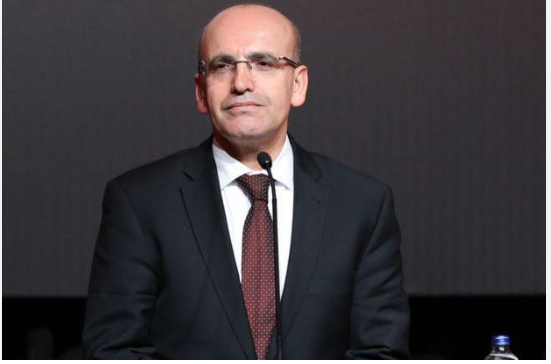
Simsek throws down the gauntlet against critics, lays out vision for post-War Turkey
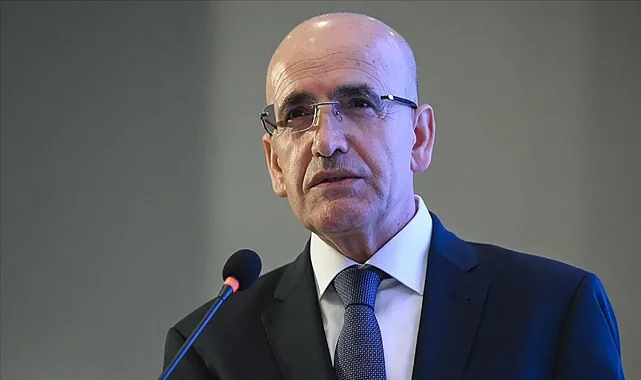 mehmet simsek3
Şimşek Signals Single-Digit Inflation Goal as Core Policy Anchor
Treasury and Finance Minister Mehmet Şimşek reaffirmed that achieving single-digit inflation remains the cornerstone of Türkiye’s economic program, while outlining a broad reform agenda aimed at boosting investment, exports, and Türkiye’s role as a regional financial and energy hub. His remarks come amid rising domestic criticism of the government’s economic strategy.
Single-Digit Inflation Remains Central Objective
Mehmet Şimşek, Türkiye’s Treasury and Finance Minister, emphasized that price stability remains at the heart of the government’s economic program.
“Single-digit inflation continues to be the essence of our program,” Şimşek said during a meeting with international media under the “Century of Türkiye: Strong Investment Hub Program.”
He stressed that the current policy framework is designed to deliver results in the medium term, despite short-term economic slowdown linked to disinflation efforts.
Geopolitics Boost Türkiye’s Strategic Role
Şimşek highlighted that regional tensions, particularly involving Iran, are reinforcing Türkiye’s position as a key energy hub.
Referring to disruptions in global energy markets, he noted that Türkiye’s geographic location and access to major trade corridors strengthen its strategic importance.
The minister added that the government aims to go beyond attracting investment, targeting a transformation into a regional financial and trade center.
Tax Incentives to Attract Investment and Trade
Şimşek outlined a series of new incentives designed to enhance Türkiye’s competitiveness:
- Full tax exemption for transit trade activities based in the Istanbul Financial Center
- 95% tax exemption for similar activities outside the center
- Alignment with global hubs such as Singapore, Hong Kong, and the Netherlands
He said the goal is to build a competitive transit trade ecosystem and position Türkiye as a major logistics and trade hub.
Corporate Tax Cuts to Boost Exports
The government also introduced significant tax reductions for exporters:
- Corporate tax reduced from 25% to 14% for general exporters
- Further reduction to 9% for manufacturing exporters
Şimşek said the move aims to strengthen Türkiye’s export competitiveness and attract foreign direct investment into the manufacturing sector.
Services Exports and High-Value Sectors in Focus
The minister announced expanded incentives for services exports, including:
- Software
- Video games
- Health tourism
- Engineering and design services
Tax exemptions in this area will be increased to 100%, reflecting the government’s strategy to expand Türkiye’s footprint in high-value global services trade.
Long-Term Investment Framework and Incentives
Şimşek also detailed broader reforms to attract global capital and talent:
- 20-year corporate tax exemptions for regional headquarters relocating to Türkiye
- Income tax exemptions up to certain thresholds
- Simplified investment processes via a “one-stop office” model
He said these measures are designed to provide predictability and ease of doing business for international investors.
Türkiye’s Growth Story and Market Potential
Highlighting Türkiye’s economic trajectory, Şimşek pointed to strong GDP performance and a large domestic market as key advantages.
He argued that while disinflation may temporarily slow growth, the program is laying the foundation for sustainable expansion.
“We are building solid foundations for strong and sustainable growth,” he said.
Responds to Criticism Within Government Circles
Şimşek also addressed criticism of the economic program from within ruling party circles.
He described calls to ease monetary tightening and slow the fight against inflation as “short-sighted,” warning that abandoning the program prematurely would undermine long-term growth.
“Without reducing inflation to single digits, sustainable growth is not possible,” he said.
Fiscal Support and State Backing Highlighted
Defending the government’s policies, Şimşek pointed to extensive fiscal support measures, including:
- Tax exemptions on minimum wage costing the treasury significant revenue
- Interest subsidies covering a large portion of agricultural loans
- State-backed credit capacity reaching $192 billion
He also noted ongoing wage support programs for workers in traditional sectors.
Related articles

VP Cevdet Yilmaz: Administration to stay the course on orthodox policies
Turkey cancels 25 percent rent cap: Minister Şimşek
Turkish opposition leader promises to replace Central Bank governors, top civil servant lists are drafted