Şimşek: Criticism of Economic Program ‘Very Myopic’
 mehmet simsek3
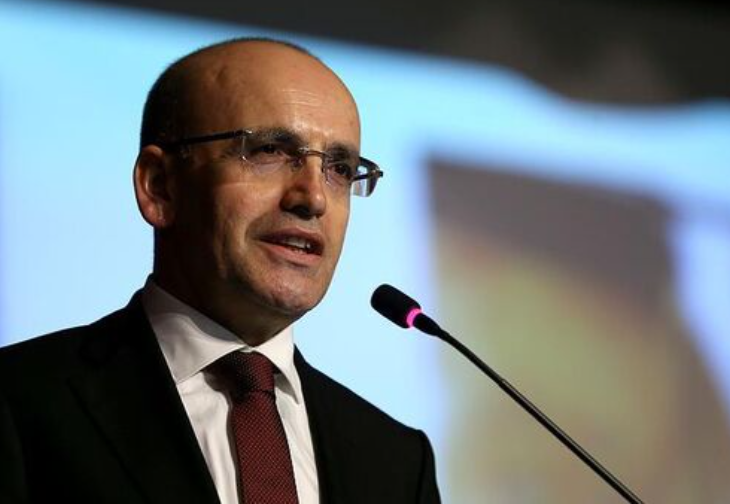
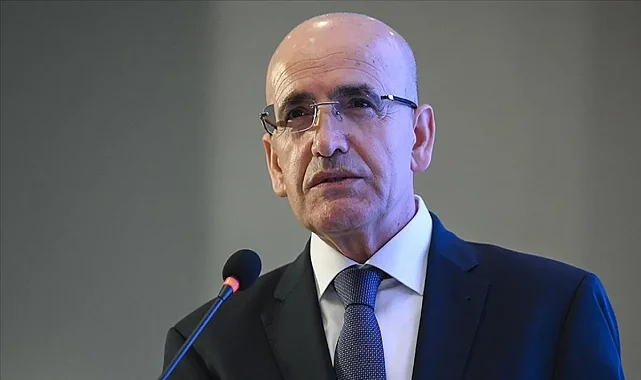
Türkiye’s Finance Minister Mehmet Şimşek defended the government’s economic program against mounting criticism, describing objections as “very myopic” and arguing that without the current policy framework inflation could have spiraled much higher.
Growing Criticism from Media
Türkiye’s Treasury and Finance Minister Mehmet Şimşek responded to recent criticism of the government’s economic program, which has intensified in parts of the domestic media.
Pro-government newspaper Yeni Şafak recently argued that the inflation-fighting program had failed, highlighting the sharp rise in interest rates from 8.5% to 50% and significant increases in the euro and dollar exchange rates. The report also pointed to a widening current account deficit and alleged factory closures.
“Türkiye Has Advantage in Debt Levels”
Speaking at the “Rising Türkiye Summits” event organized by Kanal 7 Media Group, Şimşek emphasized Türkiye’s relatively favorable debt position.
He noted that global debt has exceeded 300% of world GDP, compared to 235% in emerging markets and around 92% in Türkiye. According to Şimşek, this indicates that Türkiye is in a comparatively strong position in terms of overall indebtedness.
Low Inflation Key to Sustainable Growth
Şimşek pushed back against calls to ease anti-inflation policies, arguing that such views are short-sighted.
“Approaches suggesting we have done enough to fight inflation and should now stop are very myopic,” he said, stressing that sustainable and long-term growth depends on achieving low inflation.
He added that relatively low household and corporate debt levels provide a foundation for stronger growth once inflation is brought down to single digits.
Opportunities in Health and Tourism
Highlighting growth opportunities, Şimşek pointed to the expanding global market for health tourism and elderly care services, currently valued at $4.2 trillion and projected to reach $8.5 trillion in the medium term.
He said Türkiye is well positioned in both tourism and healthcare, and combining these strengths could unlock significant economic potential.
Three Phases of the Economic Program
Şimşek outlined that the government’s economic program consists of three phases, with the initial phase focused on stabilizing risks.
He recalled that the devastating earthquakes of 2023 placed immense pressure on public finances, making fiscal discipline critical. Financing reconstruction through money creation, he warned, would have risked triggering hyperinflation.
Fiscal Pressures from Early Retirement Scheme
The minister also highlighted the fiscal impact of the early retirement scheme (EYT), which brought around 3 million people into retirement at relatively young ages.
He noted that such policies must be carefully managed due to their long-term budgetary implications.
“Where Would Inflation Be Without This Program?”
Şimşek emphasized that in 2023 Türkiye faced a $120 billion trade deficit and limited access to external financing.
He argued that the program was essential in preventing a balance of payments crisis and avoiding triple-digit inflation.
“It is easy to say inflation was at one level and is now at another,” he said. “But one needs to think carefully about where inflation would have gone without this program.”
Warning Against Short-Term Thinking
Şimşek concluded by criticizing what he described as simplistic and short-term evaluations of economic policy.
He stressed that the government’s strategy aims to restore macroeconomic stability and create the conditions for sustainable growth, rather than deliver quick but potentially destabilizing fixes.
Source: Diken