Morning Brief: AI Euphoria and Iran Optimism Push Markets to Record Highs
 markets iran war
Global markets rallied on renewed optimism over a possible U.S.-Iran agreement and continued enthusiasm surrounding artificial intelligence investments. Asian equities surged to record levels, led by South Korea’s Kospi index, while oil prices retreated on hopes of easing geopolitical tensions in the Middle East. Investors are now turning their attention to key U.S. employment data that could shape the Federal Reserve’s next policy moves. Meanwhile, Türkiye continues to battle stubborn inflation despite ongoing monetary tightening and political support for the disinflation program.
Asian stock markets climbed sharply on Friday as easing geopolitical tensions and relentless momentum in artificial intelligence-related investments boosted investor appetite for risk assets.
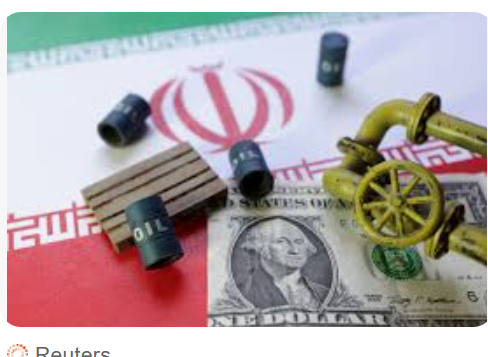
U.S. President Donald Trump said Washington had made “significant progress” toward a comprehensive agreement with Iran, adding that operations aimed at securing commercial shipping through the Strait of Hormuz would be temporarily suspended while negotiations continue.
Trump emphasized that the broader blockade policy remains in place, but the pause would allow time to determine whether a diplomatic breakthrough is achievable. The U.S. administration also claimed that its military objectives regarding Iran had largely been met.
Oil Retreats as Risk Appetite Improves
The prospect of a de-escalation in Middle East tensions helped improve market sentiment significantly.
Brent crude, which briefly tested $114 per barrel earlier this week, eased back to around $108 on Friday morning. The second consecutive day of declining oil prices also pressured the U.S. dollar slightly lower, while precious metals regained momentum.
Spot gold rose nearly 2% to around $4,650 per ounce, while silver climbed 3.5%, approaching the $76 level. Analysts noted that a daily close above $76 in silver could trigger stronger bullish positioning in the metal.
Bitcoin, meanwhile, climbed to $81,000, marking its highest level in three months. Traders are closely watching the $84,000 threshold, which is increasingly viewed as a critical technical resistance level for the cryptocurrency market.
AI Boom Drives Asian Equities Higher
Following gains of roughly 1% on Wall Street overnight, Asian markets opened firmly in positive territory.
The combination of improving geopolitical sentiment and the ongoing artificial intelligence rally fueled strong buying across regional technology stocks.
South Korea’s benchmark Kospi index surged nearly 7% during Friday trading, breaking above the 7,000-point threshold for the first time in history. The index has now gained an astonishing 74% since the beginning of the year, making it one of the world’s best-performing major equity markets.
Technology shares led the rally as global investment in AI infrastructure continued to accelerate.
Samsung Electronics saw its market capitalization surpass $1 trillion after a sharp rally in its shares, becoming only the second Asian technology company after TSMC to achieve that milestone.
The broader semiconductor sector also benefited from strong gains in U.S. chipmakers and better-than-expected revenue guidance from Advanced Micro Devices.
In China, services sector activity accelerated in April, with private-sector PMI data rising to 52.6, signaling continued expansion in the economy. Shanghai stocks also gained more than 1%, while Japanese markets remained closed for a holiday. The Japanese yen traded relatively stable around 157.5 per dollar.
Markets Await Key U.S. Jobs Data
Investor attention is now shifting toward the U.S. nonfarm payrolls report, traditionally viewed as one of the most important indicators of the health of the American economy.
The data is expected to provide critical clues about whether the U.S. economy remains strong enough for the Federal Reserve to maintain current interest rates or whether signs of labor market weakness could revive expectations for rate cuts later this year.
Analysts noted that the dollar tends to weaken during periods of improving global risk sentiment, potentially reviving the “weak dollar” theme that dominated markets earlier this year.
Against that backdrop, gold is expected to continue benefiting from central bank reserve diversification strategies, while silver could attract additional investor interest due to both its safe-haven appeal and strong industrial demand linked to persistent supply deficits.
Currency markets may also see renewed support for the euro if the dollar weakens further, although concerns remain over the outlook for the British pound.
Britain’s 30-year government bond yield climbed to 5.8% this week — its highest level since 1998 — compared with just 0.5% during the pandemic period. Investors remain concerned that elevated energy prices and geopolitical uncertainty could keep inflation pressures elevated in the UK for longer than expected.
Türkiye Continues Inflation Fight
In Türkiye, the CPI-based Real Effective Exchange Rate index climbed to 106.3 in the latest reading, marking its highest level since March 2020.
The index stood at 72.78 in July 2023, highlighting the significant real appreciation of the Turkish lira over the past three years.
Despite ongoing currency strengthening, authorities are still struggling to bring inflation down at the desired pace. Sticky pricing behavior, elevated inflation expectations, resilient domestic demand, and higher energy prices linked to geopolitical developments continue to put upward pressure on consumer prices.
The Turkish government has intensified communication efforts in recent weeks following April’s stronger-than-expected inflation reading, which raised concerns over policy credibility.
President Recep Tayyip Erdoğan reiterated his support for the anti-inflation program, while Treasury and Finance Minister Mehmet Şimşek and Central Bank Governor Fatih Karahan also delivered messages emphasizing policy discipline.
Still, questions remain over how long political backing for the current economic program can be sustained.
Focus Turns to Türkiye’s Inflation Report
With inflation already reaching 14.6% in the first four months of the year, close to the Turkish central bank’s full-year target of 16%, investors are now closely watching next week’s Inflation Report for further guidance.
The central bank’s latest Monthly Price Developments report also suggested that underlying inflation momentum accelerated again.
Turkish financial markets traded relatively calmly on Thursday. The benchmark stock index gained nearly 1%, although banking shares remained under pressure as markets continued pricing in a prolonged period of elevated interest rates.
The banking index has fallen nearly 12% over the last 18 trading sessions.
Meanwhile, the USD/TRY exchange rate remained tightly managed around 45.20, bond yields were broadly stable, and Türkiye’s five-year CDS risk premium edged up to 247 basis points.
Markets will continue monitoring U.S. employment data and Türkiye’s upcoming Inflation Report as the next major catalysts for global and domestic asset prices.
Emre Degirmencioglu, Kıbrıs İktisat Bank
Related articles
Erdal Saglam: Central Bank Faces Renewed Pressure to Cut Rates as Political Crisis Weighs on Economy
Bitcoin rises in Turkey after President Erdogan’s increasingly authoritarian regime

Powell, the arch-dove keeps EM, TL strong