Mehmet Şimşek Under Siege: The “Two-Front” Internal War Over Turkey’s Economy
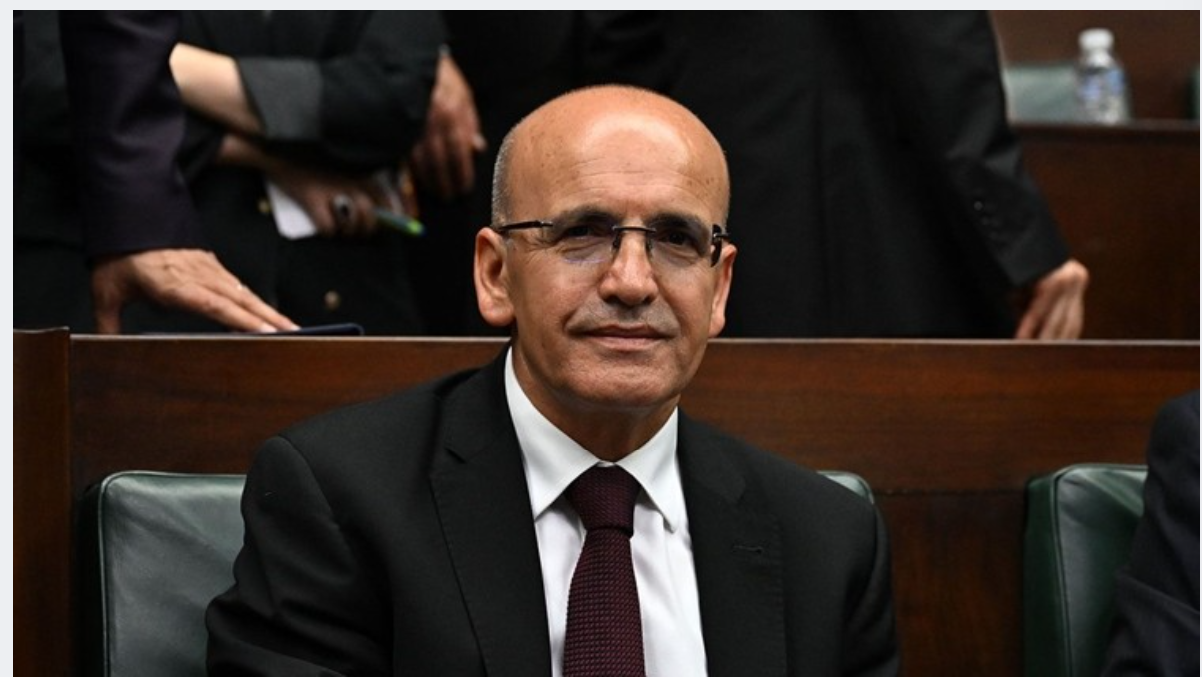 mehmet simsek
As Turkey’s economic landscape reaches a critical junction, Treasury and Finance Minister Mehmet Şimşek finds himself fighting a battle that extends far beyond market fluctuations. Şimşek’s rigorous, inflation-focused stabilization program is now facing a dual-pronged assault from within the ruling bloc: a hostile pro-government media and a rising “revisionist” faction within the AKP itself.
Leaked information from Ankara’s corridors of power suggests that Şimşek is increasingly isolated, forced to defend his policies against allies who were once his loudest supporters.
Front One: The Media “Fatwa” and the Call for Ouster
In a move that has stunned political observers, news outlets traditionally aligned with the government have shifted from mild skepticism to open hostility. The most striking example came from the Yeni Şafak daily, which recently ran a bold headline declaring: “Şimşek’s Anti-Inflation Program Has Collapsed.”
The publication’s critique mirrored arguments usually reserved for the political opposition, highlighting what it calls a “massive gap” between targets and reality:
-
The Inflation Discrepancy: The report claims a 350% deviation between the 2026 target of 8.5% and the most optimistic current projections of 29%.
-
Currency Erosion: It noted that since May 2023, the USD has surged by 125% and the Euro by 145%, arguing that the “tight money” policy has failed to protect the Lira.
-
Industrial Paralysis: The media offensive claims that Şimşek’s “insistence” on the current program is forcing factories to close and causing the current account deficit to climb back up.
The timing of this media blitz—occurring just as Şimşek returned from high-level IMF and World Bank meetings in Washington—is viewed as a direct “petition” to President Erdoğan to reconsider Şimşek’s mandate.
Front Two: The “Revisionist” Rebellion Within the AKP
While the media assault is public, a more subtle and perhaps more dangerous front is forming within the AKP ranks. According to veteran political analysts Nuray Babacan and Murat Yetkin, a group of party heavyweights has emerged as a “domestic opposition.”
This faction argues that the current program has become “obsolete.” They contend that focusing solely on inflation is insufficient and that the program must be urgently revised to prioritize growth and industrial survival. Complaints from manufacturers and trade organizations—who claim they can no longer compete with imports and are nearing bankruptcy—have led party elites to ask: “Is there a fundamental flaw in this program?”
The Strategy of the “Scapegoat”
Analyst Murat Yetkin points out a significant nuance in this internal warfare: because critics within the party and media cannot safely target President Erdoğan—who personally approved the program—they have turned Mehmet Şimşek into a “scapegoat.”
By framing the economic hardships as the result of a single individual’s “stubbornness” rather than a systemic policy choice, these groups hope to distance the Presidency from the mounting public discontent. However, the underlying question remains: If Şimşek is removed, who takes the helm? Speculation suggests that proponents of the “heterodox” policies of the 2018–2023 era—which emphasized low interest rates at the cost of high inflation—are waiting in the wings.
The Road Ahead: External Shocks vs. Internal Stability
The pressure on Şimşek is further compounded by a volatile regional environment. With the Russia-Ukraine war persisting and tensions between Iran and Israel threatening a global energy crisis, even some banking leaders have suggested that the inflation program might need to be “temporarily suspended” or heavily modified.
Whether Mehmet Şimşek can survive this “two-front war” will depend entirely on President Erdoğan’s continued backing. If the “revisionist” faction gains enough ground, Turkey may see a return to the populist economic strategies of the past, just as the current program was beginning to gain international cautious optimism.
HalktV, Yetkin Report