Turkey Restricts Imports of Chinese Consumer Goods Amid Safety and Trade Concerns
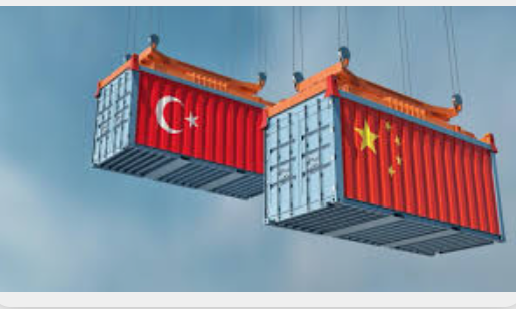 tr-china trade
Ankara introduces new curbs on shipments of toys, shoes, and bags from China, citing health risks and unfair competition as Turkey’s trade deficit with Beijing widens.
Ministry Moves to Curb Unsafe Imports
Turkey’s Ministry of Trade has announced new restrictions on the import of certain consumer products from China, tightening controls on toys, footwear, and leather goods that fail to meet health and safety standards.
According to a circular published Monday, products classified as “high-risk for public health” can no longer be imported via postal or express cargo shipments under simplified customs procedures. The move aims to stem the flow of low-cost, unregulated goods entering Turkey through e-commerce platforms.
Toxic Substances Found in Imported Goods
The Ministry said that laboratory testing and inspections carried out on 182 imported products sold through online platforms revealed that 148 items failed to meet product safety standards.
“Examinations found excessive levels of phthalates, lead, cadmium, and polycyclic aromatic hydrocarbons (PAHs) in shoes, toys, and leather products such as bags and suitcases,” the statement read. These chemicals are known to cause serious health issues, particularly in children.
Growing Trade Tensions with China
The latest decision reflects Ankara’s growing unease over its ballooning trade deficit with China, which reached nearly $44 billion in 2024, according to Turkish Statistical Institute (TÜİK) data. Despite record exports to Europe and the Middle East, Turkey’s imports from China have continued to surge, driven by cheap electronics, textiles, and consumer goods.
Economists warn that the imbalance is becoming structural, with Chinese imports dominating Turkey’s retail supply chains and undercutting local manufacturers.
Turkish Manufacturers Complain of “Unfair Competition”
Business associations and industrial chambers have long complained that Chinese e-commerce giants exploit loopholes in Turkey’s customs system by shipping goods in small parcels to avoid duties and inspections.
A senior representative from the Istanbul Chamber of Industry (ISO) told local media that “Chinese suppliers sell directly to Turkish consumers without paying proper taxes or meeting safety requirements. Local producers can’t compete with these prices.”
Another business group representing small leather and textile producers welcomed the Ministry’s move, calling it “a step toward restoring fair competition in domestic markets.”
Ankara’s Balancing Act
While Turkey has sought to attract Chinese investment in infrastructure and green technology under its Middle Corridor strategy, officials say the government will not tolerate practices that threaten consumer health or domestic industry.
Trade experts suggest the move could be a precursor to broader safeguards or anti-dumping measures against Chinese goods in 2026, mirroring similar actions taken by the U.S. and the European Union.
PA Turkey intends to inform Turkey watchers with diverse views and opinions. Articles on our website may not necessarily represent the view of our editorial board or count as endorsement.
Follow our English-language YouTube videos @ REAL TURKEY: https://www.youtube.com/channel/UCKpFJB4GFiNkhmpVZQ_d9Rg
Twitter: @AtillaEng
Facebook: Real Turkey Channel: https://www.facebook.com/realturkeychannel/***
Related articles
Turkey Ranks Near Bottom in Global Human Freedom Index, Cato Institute Says

Mehmet Simsek’s monetary policy message falls prey to the vagaries of Turkish

Can Erdogan win municipal elections despite economic turmoil?