



Olive Prices Surge in Türkiye as Low Harvest and 35% Tariş Hike Reshape the Market
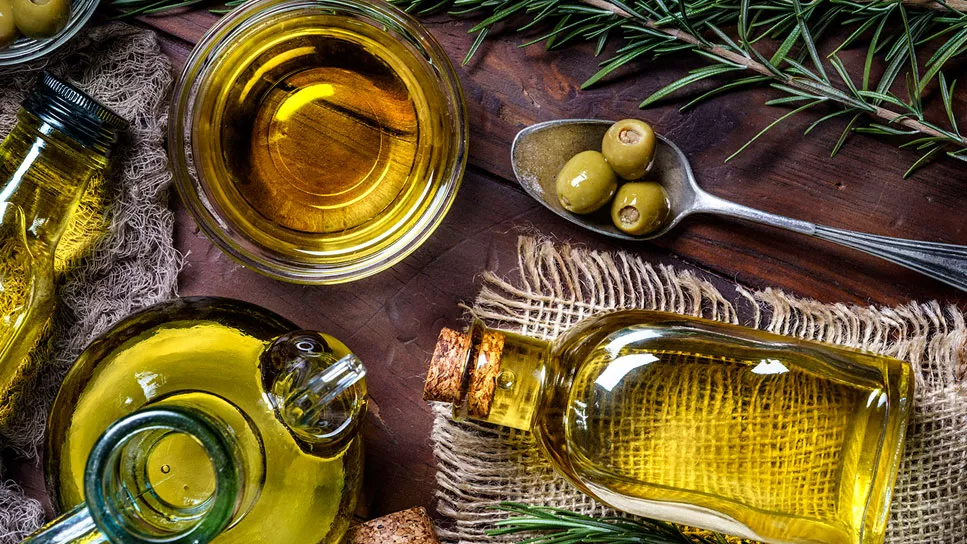 olive-oil
Olives, which in recent years were often left unharvested because production costs exceeded returns, have suddenly become one of Türkiye’s most valuable agricultural products. The 2025 season marks a dramatic reversal for olive growers, driven by low yields, tightening supply, and a sharp increase in procurement prices announced by Tariş. While producers are finally breathing a sigh of relief, prices climbing beyond the 300 TL threshold are widely expected to trigger a new wave of retail price hikes in the coming weeks.
From Unharvested Crops to a High-Value Product
In previous seasons, many olive farmers were forced to leave their crops on the trees. Rising input costs, labor expenses, energy prices, and persistently low purchase prices made harvesting economically unviable. For a sector already struggling under inflationary pressure, olives became a symbol of unsustainable agricultural economics.
That picture has changed significantly in the 2025 harvest season. A combination of low yield levels and challenging climatic conditions has reduced overall supply, pushing olives into the spotlight as one of the most sought-after agricultural commodities of the year. With supply shrinking and demand remaining strong, prices have moved sharply upward.
Recognizing the new market dynamics, Tariş Olive and Olive Oil Union, one of the sector’s most influential institutions, announced a 35% increase in its procurement prices, reshaping expectations across the entire olive oil market.
Producers Finally See Relief as Prices Jump
According to reporting by Dünya Gazetesi, the scale of the price increase is striking, particularly in the Aydın and broader Aegean region. In May, 5-acid olive oil was trading at around 140 TL. Following the latest update, the same category has surged to 190 TL, marking a substantial gain in just a few months.
Even more dramatic figures are seen in high-quality table and cooking olive oils, where prices have climbed to 305 TL. For farmers who have endured nearly two years of mounting production costs and eroding margins, this increase is widely described as a financial lifeline rather than a simple profit boost.
Producers emphasize that the new prices do not represent excessive earnings, but rather a long-overdue adjustment that helps offset fertilizer, fuel, irrigation, packaging, and labor expenses that have risen sharply over the past two seasons.
Tariş Announces New Season Price List
Tariş’s updated procurement price schedule reflects differences in quality and acidity levels, setting clear benchmarks for the 2025 season.
In the Edible Olive Oil category, prices were announced as follows:
0.3 acidity: 305 TL
0.8 acidity: 290 TL
1 acidity: 265 TL
2 acidity: 225 TL
For the Natural Extra Virgin Olive Oil category, the updated prices are:
0.3 acidity: 295 TL
0.8 acidity: 280 TL
1 acidity (crude oil): 202 TL
Sector representatives note that these figures are likely to influence not only cooperative purchases but also private market transactions, effectively establishing a new price floor across the industry.
Retail Prices Expected to Rise Next
While the price hike has created a sense of optimism among producers, it has also raised concerns for consumers. Experts warn that higher procurement prices will inevitably be reflected on supermarket shelves, particularly once logistics, bottling, packaging, and distribution costs are added.
Industry analysts expect that premium extra virgin olive oils could soon reach new psychological price thresholds per liter, making olive oil a significantly heavier burden on household food budgets. This comes at a time when consumers are already grappling with elevated food inflation across multiple categories.
Retailers are closely monitoring inventory cycles, and many anticipate that price adjustments will begin as existing stock is depleted and newly priced oil enters the supply chain.
A Market at a Turning Point
The 2025 olive season highlights a broader structural issue in Türkiye’s agricultural economy. While higher prices are currently easing pressure on farmers, experts caution that sustainable production cannot rely solely on periodic price spikes caused by low yields. Long-term solutions, they argue, must include productivity improvements, climate resilience strategies, and cost-stabilization mechanisms.
For now, however, the balance has clearly shifted in favor of producers. Olives that were once considered unprofitable to harvest have become a high-value commodity, reshaping both rural incomes and consumer expectations.