Inflation May Outpace Turkey’s Targets as Central Bank Slows Rate Cuts
 CBRT
CBRT
Turkey’s inflation outlook is once again under pressure. According to a new Reuters poll, inflation is expected to remain above government forecasts through 2025 and 2026, signaling that price stability may take longer to achieve than policymakers anticipate. At the same time, the Central Bank of the Republic of Turkey (CBRT) is widely expected to slow the pace of interest rate cuts in its upcoming policy meeting this week.
Inflation Seen Higher Than Government Forecasts
The survey, conducted between October 14 and 22 with participation from 37 economists, reveals growing skepticism over the government’s medium-term inflation targets. The median forecast shows annual inflation ending 2025 at 31.3% and easing to 23% by the end of 2026. In contrast, the government projects inflation to fall to 28.5% in 2025 and 16% in 2026, while the Central Bank’s interim target stands at 16% for 2026 and 9% for 2027.
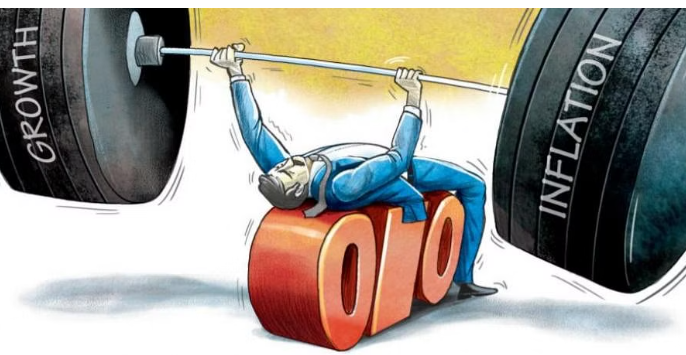
The gap between expectations and official forecasts highlights market concerns that persistent inflationary pressures—driven by strong domestic demand, wage growth, and a weak lira—could slow the disinflation process. Economists warn that without tighter fiscal discipline and greater monetary credibility, bringing inflation down to single digits could remain elusive well into the decade.
Growth Outlook and Economic Balance
The same poll anticipates GDP growth at 3.3% in 2025, 3.4% in 2026, and 3.8% in 2027. While these figures roughly align with near-term government expectations, they remain below the official Medium-Term Program (OVP) targets of 3.8% for 2026 and 4.3% for 2027. Analysts note that the Turkish economy continues to balance between maintaining growth momentum and addressing inflationary risks, a trade-off that could define monetary policy decisions through 2026.
Despite a slowdown in domestic consumption and a cooling housing market, Turkey’s external accounts are showing modest improvement. The current account deficit is expected to stay contained at 1.3% of GDP this year, widening slightly to 1.6% in both 2026 and 2027. This stabilization provides some breathing space for policymakers but also reflects reduced import demand amid slower economic expansion.
Central Bank Expected to Slow Rate Cuts
Most economists predict that the CBRT will cut its policy rate from 40.5% to 39.5% at this week’s meeting, signaling a more cautious approach after months of aggressive monetary easing. The median forecast places the year-end rate at 37.5%, declining further to 27% by the end of 2026. This gradual trajectory suggests that the Central Bank aims to balance easing inflation with maintaining financial stability, particularly as global conditions tighten.
The decision to moderate rate cuts follows mixed signals from the inflation front. While headline inflation has started to ease from its peak, core inflation remains stubbornly high, reflecting entrenched pricing behavior and cost-push dynamics. Analysts say the CBRT’s credibility will depend on its ability to sustain real positive interest rates long enough to anchor expectations.
Policy Uncertainty and Market Reaction
Market participants remain divided over how far the Central Bank can continue easing without undermining the lira or fueling capital outflows. A measured approach, economists suggest, could strengthen confidence in Turkey’s ongoing monetary transition while preventing renewed volatility.
The CBRT’s cautious tone also reflects concerns about global monetary conditions. With major central banks such as the Federal Reserve and the European Central Bank maintaining tight policies, Turkey’s relative interest rate gap could limit foreign investment inflows if easing continues too rapidly.
For now, investors are watching whether Ankara’s fiscal stance—particularly government spending and wage policies—will align with the Central Bank’s efforts to control inflation. As one economist noted in the poll, “The credibility of disinflation depends not only on monetary tightening but also on fiscal restraint. Without coordination, inflation may stay above targets longer than expected.”