IEA Chief Backs Iraq–Turkey Oil Pipeline to Bypass Hormuz Risks
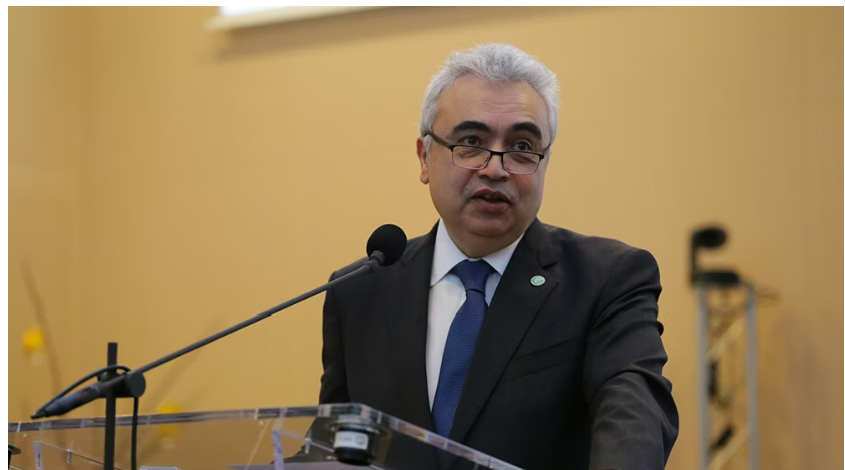 fatih birol
International Energy Agency (IEA) Executive Director Fatih Birol has proposed a new oil pipeline linking Iraq’s Basra fields to Türkiye’s Ceyhan terminal, arguing that it could reduce reliance on the Strait of Hormuz and strengthen regional and European energy security.
Birol: Basra–Ceyhan Pipeline a “Strategic Necessity”
Fatih Birol, head of the International Energy Agency, has called for the construction of a new oil pipeline connecting Iraq’s Basra oil hub with Türkiye’s Mediterranean export terminal in Ceyhan.
In an interview with Hürriyet, Birol said the project would be “extremely attractive” for both Iraq and Türkiye, while also enhancing supply security—particularly for Europe.
He stressed that the timing is critical, noting that financing challenges could be overcome and that geopolitical developments make such infrastructure increasingly urgent.
Türkiye Wants to Renew Iran Gas Deal as Supply Diversification Gains Urgency
Hormuz Disruptions Renew Urgency
The proposal comes as instability in the Strait of Hormuz continues to disrupt global energy flows. Iran recently reinstated restrictions on maritime traffic in the strait, prompting LNG tankers to reverse course and raising fresh concerns over supply bottlenecks.
Birol highlighted Iraq’s vulnerability, noting that around 90% of the country’s oil exports—primarily from Basra—depend on Hormuz. With Basra holding an estimated 90 billion barrels of reserves, any disruption in the strait has immediate global repercussions.
Referring to the repeated disruptions, Birol remarked that “the vase has already been broken,” suggesting that confidence in Hormuz as a reliable transit route has been permanently damaged.
Political and Financial Hurdles Seen as Manageable
Birol emphasized that the project would require political alignment between Ankara and Baghdad but expressed confidence that such an agreement is achievable. He also suggested that European stakeholders could support financing efforts, given the strategic importance of diversifying supply routes.
The pipeline is increasingly viewed as not just a bilateral initiative but a broader geopolitical project aimed at strengthening energy resilience across regions.
Part of a Broader Regional Corridor Vision
Türkiye has already explored expanding existing pipeline infrastructure between Ceyhan and northern Iraq’s Kirkuk fields further south toward Basra. This effort is part of a wider vision to establish a multi-billion-dollar trade and energy corridor stretching from Iraq’s Faw Port to Türkiye and beyond.
In parallel, Türkiye has been working with regional partners such as Syria and Jordan to modernize transport networks, aiming to create a continuous logistics corridor linking southern Europe to the Persian Gulf.
Türkiye Gains Strategic Edge Amid Corridor Shifts
Türkiye’s role as a key transit hub has gained prominence following setbacks to the India–Middle East–Europe Economic Corridor (IMEC), a U.S.-backed initiative that has stalled amid regional instability.
The Israel–Hamas conflict and ongoing disruptions in the Red Sea—partly driven by Houthi attacks—have further complicated alternative trade routes, making Türkiye-backed infrastructure projects more attractive.
Conclusion: Energy Security Driving New Alignments
Birol’s proposal underscores a broader shift in global energy strategy, where geopolitical risks are accelerating the search for alternative supply routes. A Basra–Ceyhan pipeline could reshape regional energy dynamics, reduce dependence on chokepoints like Hormuz, and reinforce Türkiye’s position as a critical energy corridor.
Related articles
Middle East Realignment: Turkey, Egypt and Pakistan Emerge as Key Players in US–Iran Diplomacy
From Battlefield Commander to White House Guest: Syria’s al-Sharaa Pursues Diplomatic Reset With Washington
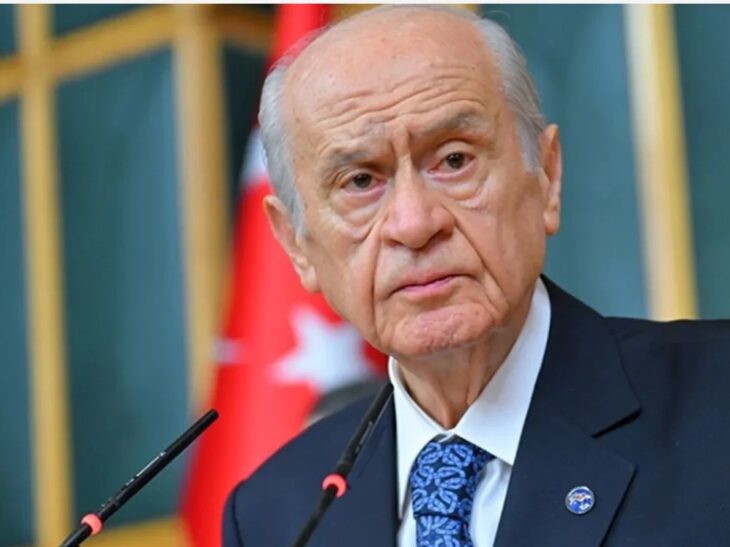
Bahçeli Warns of Rising Iran Tensions, Calls on Türkiye to Prepare for “All Scenarios”