🧭 Erdogan’s Decisive Westward Turn: Turkey Cuts Russia Reliance in Energy Pivot
 enerji-bati
Driven by New U.S. Sanctions and EU Pressure, Ankara Reshapes Its Strategic Energy Landscape
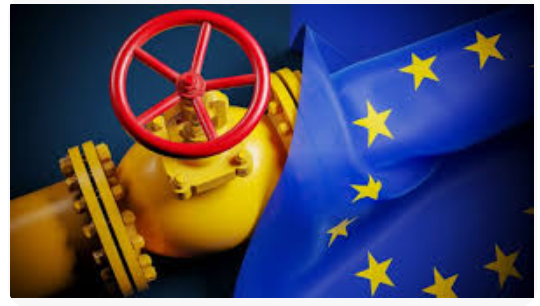
ISTANBUL – Turkey is re-charting its energy future by cutting its reliance on Russian oil, gas, and nuclear power as it moves closer to Washington and Brussels. This decisive westward turn has been driven by new U.S. sanctions and increasing European pressure. For years, Turkey insisted it would stay out of Western sanctions due to its reliance on Russian gas and revenue from Russian tourists, but it is now actively seeking to distance itself from Moscow in energy trade, despite not formally implementing the sanctions.
✍️ A Note on Method and Modern Journalism
I simply don’t have time to write long-form articles anymore. Like many of my colleagues, I’ve adopted platforms like YouTube as a much easier way to express myself to a broad audience. How quickly one forgets how to write an article! The brain now shapes every thought according to the 15-minute YouTube format.
Most of the time, I consider giving up writing entirely. But, since I can’t find satisfactory analysis on many economic topics that I believe readers should be aware of, I continue on this path. A few months ago, I started working with artificial intelligence. My productivity has increased by at least threefold. From now on, I’ll be writing many articles with the help of AI. “So what is your contribution?” you might ask? First, asking the right questions. Second, feeding the correct data to the AI. And the last and most important part is quality-controlling the final product. That is, reading the article line by line and questioning myself whether I can do better. Here is the final product:
🚨 Tightening Sanctions Force Supply Diversification
The shift gained momentum after U.S. President Donald Trump imposed sweeping sanctions on Russia’s oil giants Rosneft and Lukoil on October 23. The move followed Trump’s frustration with stalled peace talks with Vladimir Putin and represented the most severe U.S. action against Moscow since the invasion of Ukraine. The sanctions came just days after the European Union adopted its 19th package, targeting Russia’s oil, gas, and LNG exports.
Amid this tightening sanctions regime, Turkish refiners began diversifying supply routes. Reuters reported that SOCAR’s STAR Refinery in Turkey and Tüpraş sharply cut Russian crude purchases, replacing them with shipments from Iraq, Kazakhstan, and other non-Russian producers. In December alone, STAR acquired four cargoes of alternative crude, totaling between 77,000 and 129,000 barrels per day, marking its strongest pivot away from Russian oil in three years.
Trade Volume Shrinks
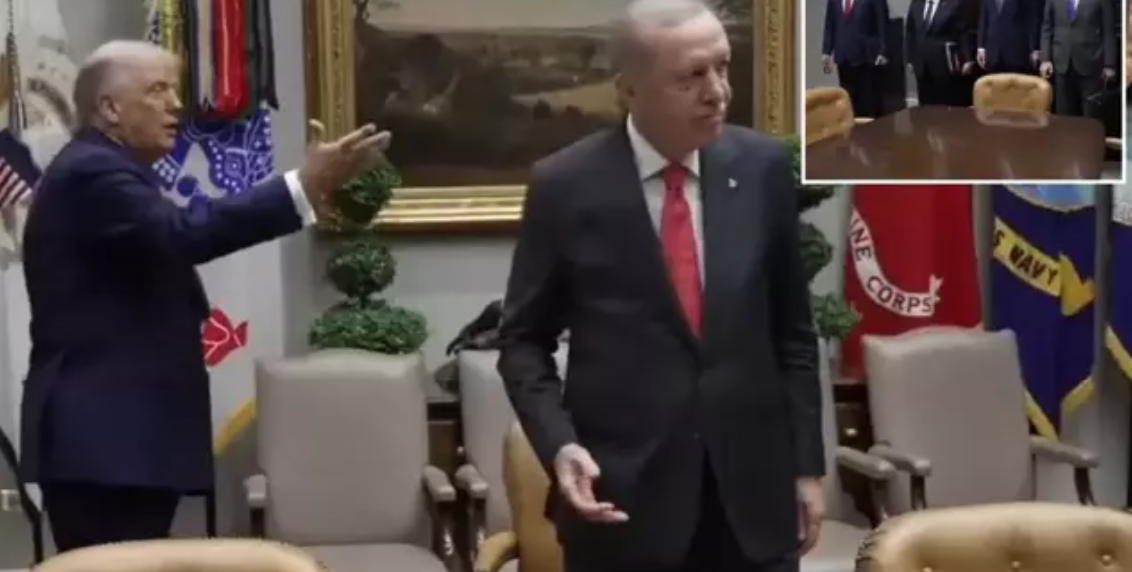
Behind these trade shifts lies firm diplomatic pressure from Washington. During a White House meeting on September 25, President Trump urged Turkish President Recep Tayyip Erdogan to reduce Turkish oil and gas imports from Russia.
According to figures obtained by Nordic Monitor, Turkey’s imports of Russian products totaled about $31.8 billion between January and September 2025, while exports to Russia reached about $4.8 billion. Crucially, the monthly value of imports fell from roughly $4.4 billion in January to $3.25 billion in September, signaling a steady contraction in Russia’s share of Turkey’s trade. Analysts view this trend as a key indicator of Ankara’s quiet but deliberate pivot westward.
⚛️ Sidelining Rosatom: A Nuclear Realignment
As Ankara reshapes its oil and gas portfolio, a parallel transformation is underway in nuclear energy, signaling Turkey’s broader strategic realignment. During Erdogan’s visit to Washington, Turkey signed a memorandum of understanding on civilian nuclear cooperation with the United States.
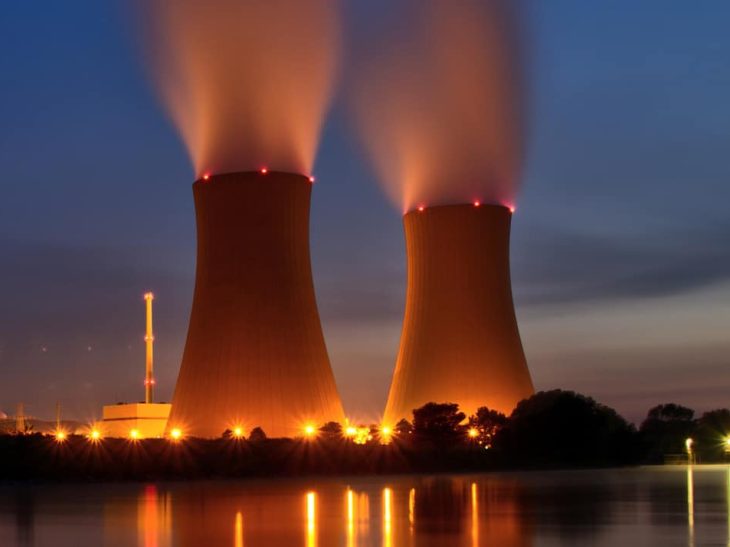
Energy Minister Alparslan Bayraktar confirmed that both the U.S. and South Korea have joined talks for the Sinop Nuclear Power Plant project, effectively sidelining Russia’s Rosatom, which had long been expected to build it. Ankara is reportedly seeking to remove Russia entirely from the Sinop project and award it to U.S. partners, highlighting its determination to loosen Moscow’s grip on Turkey’s energy infrastructure. Experts say that had Russia built the second nuclear plant, Turkey would have been entirely dependent on Moscow and under Russian control in nuclear energy.
Energy Dependence Declines, Risks Remain
Data from market intelligence firm Kpler show that Turkey imported about 669,000 barrels of crude per day between February and October 2025, with 47 percent coming from Russia, down from 57 percent a year earlier. Imports from Iraq rose sharply, with Ankara now planning to buy 141,000 barrels per day starting in November. Similarly, Russia’s share of Turkey’s gas imports dropped to 37 percent in the first half of 2025, down from more than 60 percent two decades ago.
Still, the new strategy carries risks. Russia remains Turkey’s top gas supplier via TurkStream, and Rosatom continues to control the construction and financing of the Akkuyu Nuclear Power Plant. A sudden deterioration in ties could delay projects or disrupt crucial fuel flows.
🇹🇷 Domestic Motives and Economic Risk
Erdogan’s turn toward the West is not without domestic motives. Turkey’s opposition argues that maintaining good relations with the U.S. and the EU helps prevent Western criticism over human rights issues. With the Turkish economy already under strain, any clash with the West could worsen the crisis, trigger a sharp currency depreciation, and further exacerbate economic pressures, making Erdogan’s position even more precarious.
Related articles

Turkish Economy Flashes Warning Signs: Consumer Confidence Plummets, Industry Continues Contraction

No end in sight for beleaguered Turkish Lira
$7B Funding Delay Hits Russia-Led Akkuyu Nuclear Plant Project in Turkey