“Don’t Play with Fire”: Mevlüt Çavuşoğlu Issues Stern Warning to South Cyprus Over Terror Ties
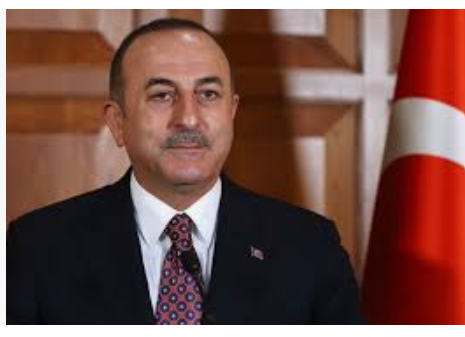 mevlut cavusoglu
ANKARA – Former Turkish Foreign Minister Mevlüt Çavuşoğlu has delivered a blistering warning to the Greek Cypriot Administration (GKRY), cautioning them against harboring terror organizations and undermining regional stability. His remarks come amidst escalating tensions in the Eastern Mediterranean, following reports that the PYD/YPG—the Syrian branch of the PKK—has been permitted to open a representative office in South Cyprus.
Speaking at a joint press conference, Çavuşoğlu utilized sharp diplomatic rhetoric to signal that Turkey would not remain passive in the face of what it perceives as a direct threat to its national security and the interests of the Turkish Republic of Northern Cyprus (TRNC).
A Red Line on Terrorism
The crux of Çavuşoğlu’s ire centers on the burgeoning relationship between South Cyprus and the PYD/YPG. Turkey has long classified these groups as terrorist entities that pose an existential threat to its borders. The opening of an office in Nicosia is viewed by Ankara not merely as a diplomatic slight, but as a hostile act.
“Do not play with fire,” Çavuşoğlu warned. “If there is any threat from here against Turkey or the TRNC, we will make them pay the price.”
He further lamented the “the enemy of my enemy is my friend” mentality currently prevalent in regional politics. Çavuşoğlu argued that some countries have historically used terror organizations as proxies, but warned that South Cyprus was entering dangerous territory by providing a platform for groups that Turkey is actively fighting in Syria.
The EastMed Collapse: “We Knew It Wouldn’t Work”
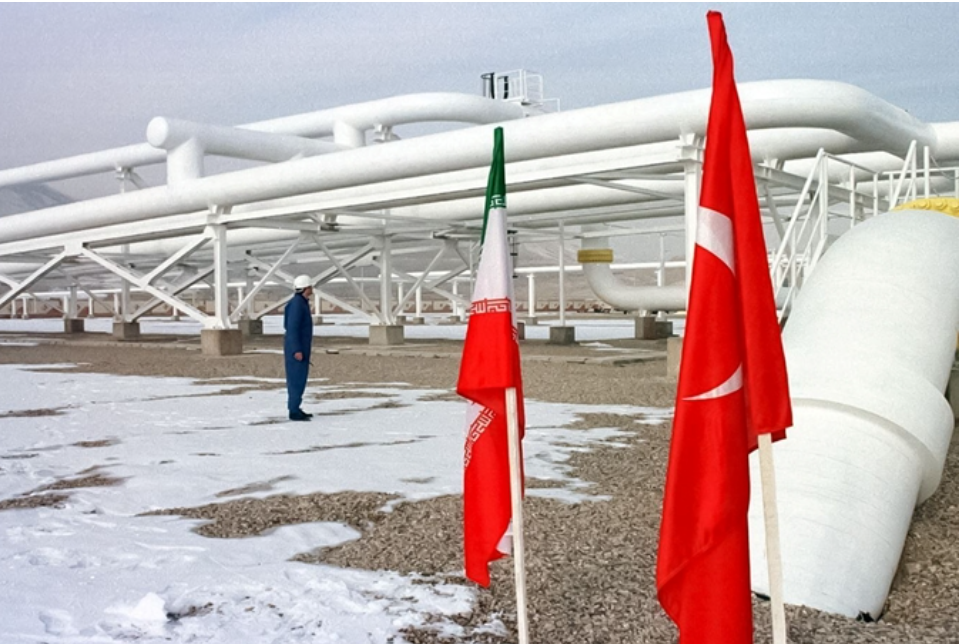
Beyond the immediate security threat, the Minister also addressed the geopolitical shifts surrounding energy in the Mediterranean. Specifically, he commented on the withdrawal of United States support for the EastMed pipeline project—a massive undersea infrastructure plan intended to bypass Turkey by connecting Israeli gas to Europe via Cyprus and Greece.
Turkey has consistently maintained that any energy project in the Eastern Mediterranean that excludes Ankara is technically and economically unfeasible. The recent American pivot away from the project is seen by Turkey as a vindication of its long-standing position.
“We said from the very beginning that the EastMed project was not an economic project and that its realization was not possible,” Çavuşoğlu stated. He clarified that this wasn’t just because Turkey was excluded, but because the geography and economics of the region dictate that the most viable route to Europe is through Turkish territory.
Turkey’s Alternative: A Regional Conference
In contrast to exclusionary projects like EastMed, Çavuşoğlu reiterated President Recep Tayyip Erdoğan’s proposal for a multilateral conference on the Eastern Mediterranean. Turkey’s vision involves bringing together all littoral states—and companies with energy interests in the region—to establish a “win-win” framework.
“The most economical route for energy resources in this region to reach international and European markets is Turkey,” he emphasized. The proposed conference aims to lower regional tensions by treating energy as a tool for cooperation rather than a source of conflict. Despite the current friction, Ankara maintains that it is open to a diplomatic solution that respects the continental shelf rights of all parties.
Broader Diplomatic Horizons: Estonia and NATO
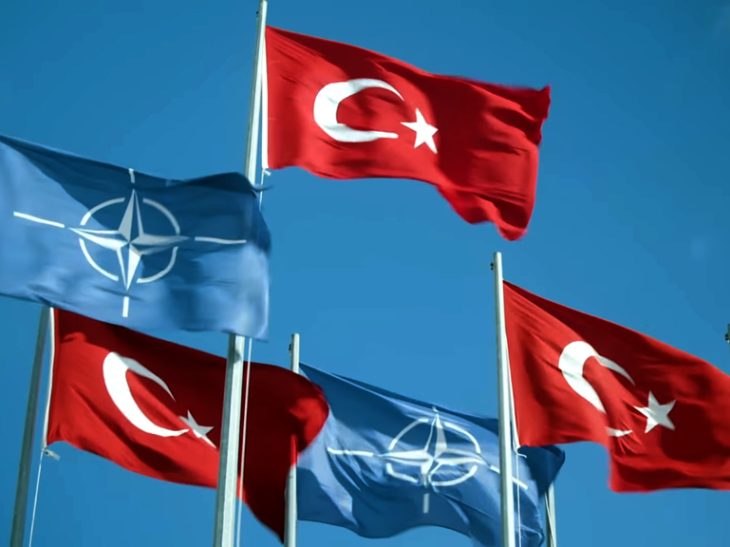
The press conference, held alongside the Estonian Foreign Minister, also touched upon the broader European security architecture. Against the backdrop of the Russia-Ukraine crisis, both ministers emphasized the importance of NATO solidarity.
Çavuşoğlu revealed that the Chief of the General Staff of Estonia is scheduled to visit Turkey soon to discuss deepening defense cooperation. This highlights Turkey’s multifaceted foreign policy: while it takes a hardline stance against local rivals in the Mediterranean, it remains a central pillar of NATO’s eastern flank and a key defense partner for Baltic nations.
Conclusion: A Message to Nicosia and Beyond
The tone of Çavuşoğlu’s address serves as a reminder of Turkey’s “Blue Homeland” (Mavi Vatan) doctrine—a commitment to defending its maritime jurisdiction and the rights of Turkish Cypriots at all costs. By linking the Cyprus issue to counter-terrorism, Ankara is signaling that it views the actions of the Greek Cypriot Administration through a security lens rather than just a diplomatic one.
As energy markets remain volatile and regional alliances shift, Turkey’s message is clear: any attempt to isolate Ankara or threaten its security through proxy groups will be met with a decisive response.