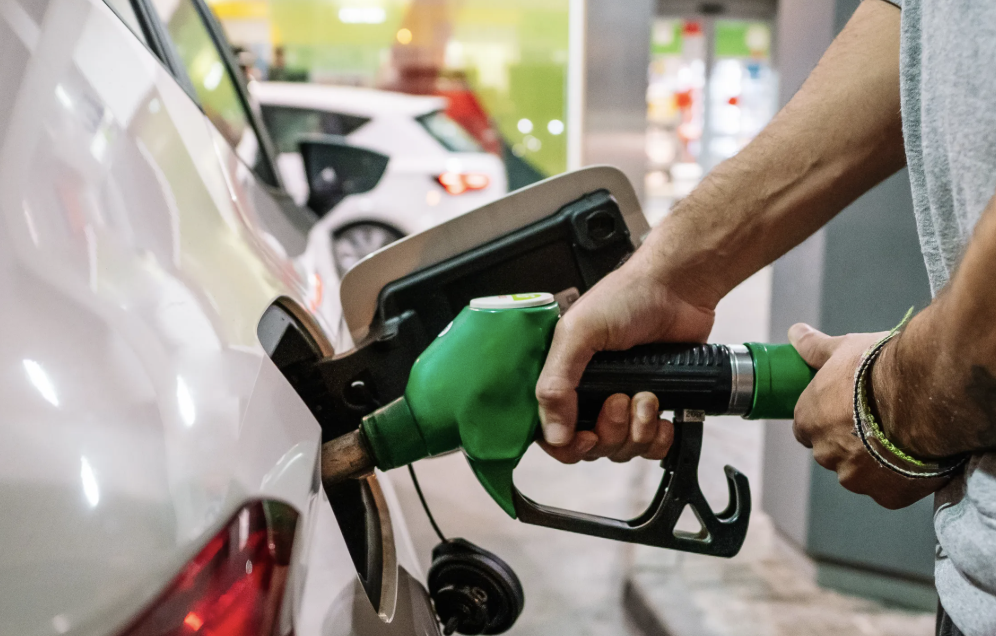
Turkey Fuel Price Crisis: Motor Oil Could Hit 100 TL
 Gas Prices
As global energy markets face unprecedented volatility in March 2026, industry expert Özdilek Coşkun has issued a stark warning about the emerging fuel price crisis in Turkey and the future of pump prices. Contrary to popular belief, Turkey’s fuel prices are not directly tied to Brent crude; instead, they are determined by the “CIF Med” (duty-free diesel) prices on Italy’s Genoa market, combined with the USD/TRY exchange rate. With Genoa prices hitting a 30-year record of $1,471, the pressure on domestic logistics and consumer wallets is reaching a breaking point.
Turkey Fuel Price Crisis: The Road to 100 TL
While Brent crude currently fluctuates between $110 and $120, Coşkun predicts that a lack of a permanent peace settlement in regional conflicts could push Brent toward $160–$170. In such a scenario, the ripple effect through the Mediterranean pricing corridor would be severe.
“This situation could easily bring the pump price of diesel in Turkey to the 85–90 TL, or even 100 TL levels,” Coşkun stated. This projection considers the dual impact of rising international product costs and the structural demand for foreign currency to fund energy imports.
The “Eşel Mobil” Shield: Preventing an Immediate 85 TL Price Tag
Turkey currently utilizes the “Eşel Mobil” (Sliding Scale) system to cushion consumers from sudden price spikes. By zeroing out the Special Consumption Tax (ÖTV), the state absorbs a significant portion of the cost.
According to Coşkun, if this system were not in place today:
-
Current Diesel Price (Istanbul): Approximately 71 TL
-
Hidden ÖTV Burden: Roughly 13–14 TL
-
Price Without Subsidy: 85 TL
By sacrificing fuel tax revenue, the government has managed to keep the current price below the 80 TL threshold, though experts question how long this fiscal sacrifice can be sustained given the 4% drop in Central Bank reserves reported this week.
The “Diesel Hike” Ripple Effect: Bread, Water, and Transport
The price of diesel is a primary input for almost every sector in the Turkish economy. Coşkun warns that a surge in fuel costs will trigger a “second wave” of food and service inflation:
-
Logistics: Tomatoes from Antalya or industrial goods from Kocaeli are transported via diesel-powered trucks. Rising freight costs will inevitably hit supermarket shelves.
-
Public Transport: Municipalities and private transporters will be forced to hike fares to cover operational deficits.
-
Basic Necessities: Even the price of bread and water is tied to the energy required for production and distribution.
The VAT (KDV) Debate: Will the Government Cut Further?
With some European nations, such as Spain, already slashing Value Added Tax (VAT) on fuel to provide relief, the question remains whether Turkey will follow suit. Currently, a 20% VAT is applied to every liter of fuel sold at the pump. Coşkun noted that while the state has already waived the ÖTV, waiving VAT is a “purely political decision” that depends on the government’s flexibility in the 2026 budget and its willingness to forgo a major source of liquid revenue.