Morning Report: Gold and Silver Lose Momentum as Rate-Cut Expectations Fade Amid Energy Shock
 iran-markets
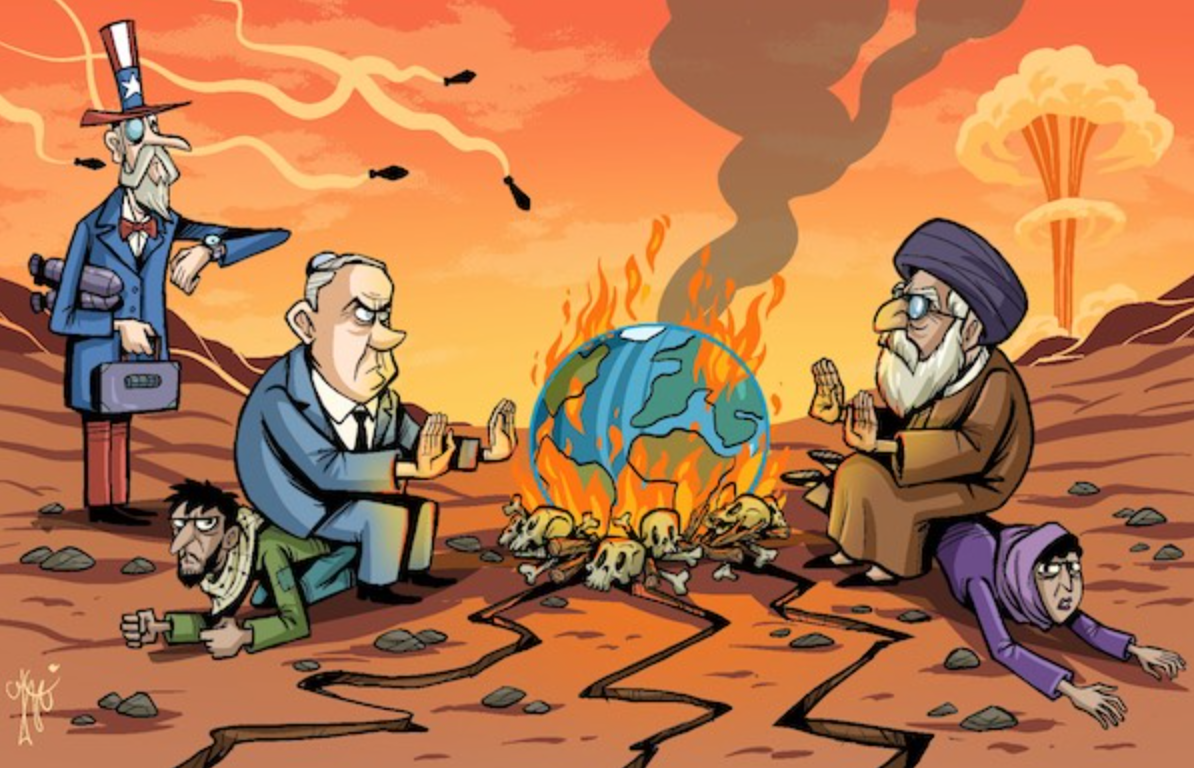
Escalating conflict in the Middle East and surging oil prices are reshaping global market expectations. As energy risks push inflation concerns back to the forefront, investors are rapidly scaling back expectations for interest rate cuts. The stronger U.S. dollar and rising bond yields have begun to weigh on precious metals, with gold and silver losing momentum despite ongoing geopolitical tensions. Meanwhile, Türkiye faces mounting economic risks from higher energy prices, capital outflows, and declining central bank reserves.
Middle East Conflict Enters Second Week
The war in the Middle East has entered its second week with little sign of de-escalation. Statements from both sides suggest that neither is prepared to back down.
Iran’s newly appointed religious leader Mojtaba Khamenei renewed threats to close the Strait of Hormuz and called on regional governments to shut down U.S. military bases in their territories. Israeli Prime Minister Benjamin Netanyahu responded by suggesting that Iran’s regime could collapse from within and hinted that Israel could target the country’s leadership.
The conflict has expanded beyond its original front lines. Fighting spreading into Lebanon has pushed the reported death toll above 2,000. Meanwhile, the downing of a U.S. aircraft in Iraq and attacks targeting French forces have further raised fears that the crisis could develop into a broader regional war.
Oil Nears $100 as Energy Risks Surge
Rising geopolitical risks and damage to energy infrastructure have triggered sharp volatility in global financial markets.
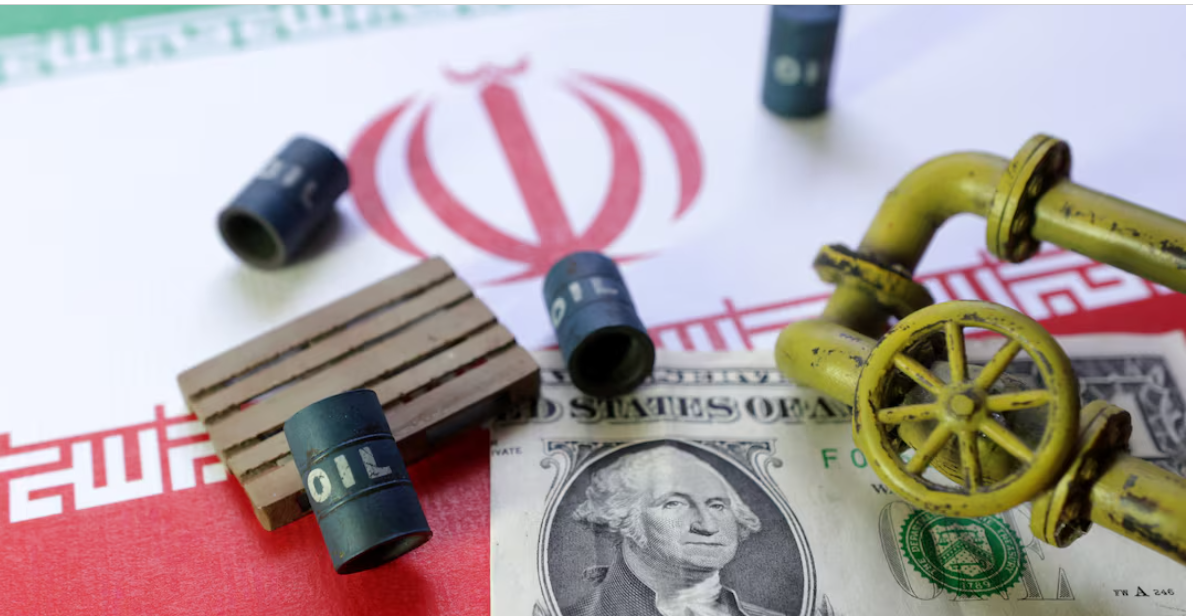
Concerns that the Strait of Hormuz—a vital global energy corridor—could be disrupted have pushed oil prices close to the psychological $100 per barrel level. The situation has also forced governments to consider emergency measures. The United States has reportedly allowed some countries to resume purchasing Russian oil in order to stabilize global supply.
Iranian officials have warned that oil prices could surge as high as $200 per barrel if the conflict intensifies, highlighting the scale of potential disruption to global energy markets.
Such developments are raising fears of a new global energy shock similar to past crises, with potentially far-reaching consequences for inflation, growth and financial markets.
CBRT Interest Rate Decision: Top Analysts Weigh In on Turkey’s Economic Path
Global Equity Markets Under Pressure
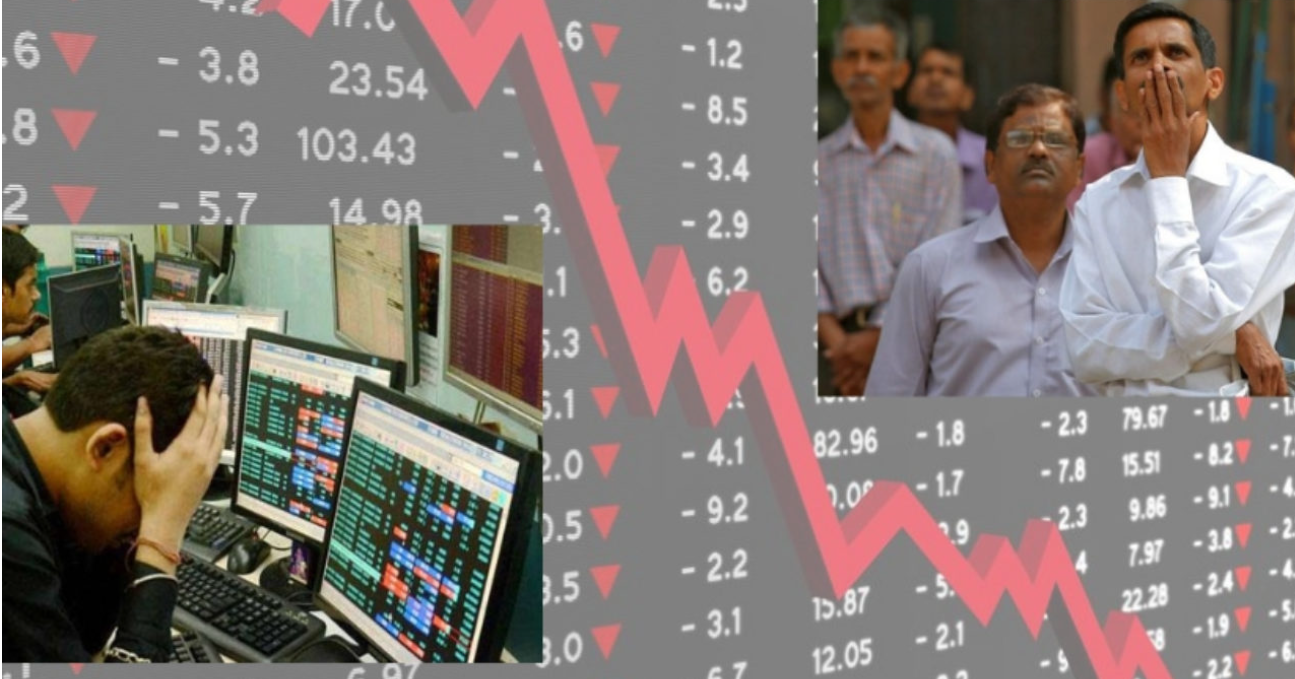
Rising geopolitical tensions and higher energy prices have sharply weakened investor risk appetite.
U.S. equity markets closed the previous session down more than 1.5%, while Asian markets followed suit. Tokyo’s benchmark index and South Korea’s stock market—one of the strongest performers in recent months—both fell around 1.5%.
Demand for safe-haven assets has strengthened the U.S. dollar. The DXY dollar index, which measures the currency against major peers, climbed to the 100 level, its highest point in about four and a half months.
The euro has fallen nearly 3% against the dollar over the past two weeks, slipping below the 1.15 level, while the Japanese yen has weakened steadily for four consecutive weeks, approaching its lowest level against the dollar in two years.
Rate-Cut Expectations Recede Rapidly
The surge in oil prices has revived inflation fears, forcing investors to reassess expectations for global monetary policy.
Just a month ago, markets were pricing in around 50 basis points of rate cuts from the Federal Reserve this year. However, recent developments have sharply altered that outlook. Futures markets now expect only one 25-basis-point rate cut by the end of the year.
Meanwhile, the yield on the U.S. 10-year Treasury note has risen to around 4.26%, reflecting renewed inflation concerns and tightening financial conditions.
Next week’s policy meetings by the Federal Reserve, the European Central Bank, the Bank of Japan, and the Bank of England will be closely watched for signals about how central banks intend to navigate the emerging energy shock. For now, most analysts expect policymakers to adopt a wait-and-see approach.
In Japan, although rates are expected to remain unchanged at the upcoming meeting, markets are increasingly pricing in the possibility of a rate hike in April. Rising energy prices have pushed the probability of such a move to around 60%.
Precious Metals Lose Momentum
Despite heightened geopolitical risks, precious metals have struggled as the stronger dollar and rising bond yields offset safe-haven demand.
Spot gold fell to around $5,050 per ounce late Thursday before recovering slightly to near $5,100. Nevertheless, the metal has declined roughly 6% over the past ten trading days, retreating from the $5,418 level reached at the start of the conflict.
Silver has experienced even sharper volatility. After losing about 10% last week, the metal has traded in a choppy range near $84 per ounce this week.
From a technical perspective, market participants are closely watching key levels:
-
A weekly close above $87 could signal renewed bullish momentum in silver.
-
A break below $81 could trigger a deeper correction toward the $60–$67 range.
The shift in interest-rate expectations is particularly important for precious metals, which do not offer yield. As bond yields rise and rate-cut expectations fade, the fundamental support for gold and silver weakens.
Türkiye Faces Economic Spillovers
Although Türkiye is not directly involved in the conflict, the economic consequences are increasingly visible.
The Central Bank of the Republic of Türkiye (CBRT) kept its policy rate unchanged at 37% at the latest Monetary Policy Committee meeting, in line with market expectations. The accompanying statement highlighted the risks posed by the war and the resulting energy crisis, while maintaining a distinctly hawkish tone.
For Türkiye—an economy heavily dependent on energy imports—higher oil prices pose serious challenges. Rising energy costs threaten to widen the current account deficit while also pushing inflation higher.
At the same time, uncertainty surrounding the conflict could affect tourism revenues during the upcoming summer season, potentially weakening foreign-currency inflows.
Reserve Decline Reflects Foreign Outflows
The conflict has also had a visible impact on Türkiye’s foreign-exchange reserves.
In the first six business days after the war began, the CBRT’s reserves declined by roughly $25.5 billion. However, as markets stabilized somewhat on Tuesday, the central bank reportedly purchased around $3 billion in foreign currency.
As a result, total reserve losses over the first seven trading days amounted to approximately $22.5 billion.
Headline reserves, which peaked at $82.3 billion at the end of January, have fallen to around $47.6 billion following the recent turmoil.
Despite the magnitude of the decline, analysts note that most of the reserve loss appears to reflect foreign portfolio outflows rather than a surge in domestic dollar demand.
Data show that in the week ending March 6—during the first week of the war—foreign investors reduced their holdings of Turkish government bonds by $1.7 billion and equities by $0.8 billion.
Turkish Markets Show Relative Resilience
Despite the global turbulence, Turkish financial markets have so far remained relatively resilient.
The BIST-100 index rose 0.7% in the latest trading session, diverging positively from the broader global market decline. Meanwhile, sovereign CDS spreads and bond markets showed only limited deterioration.
The USD/TRY exchange rate rose to 44.19 in Monday-valued transactions, partly reflecting weekend liquidity effects.
Focus Turns to U.S. PCE Inflation Data
Markets are now turning their attention to the U.S. Personal Consumption Expenditures (PCE) index, the Federal Reserve’s preferred inflation gauge.
Although the Fed is widely expected to keep interest rates unchanged at its upcoming meeting and deliver only one rate cut by year-end, the data could still influence expectations for monetary policy.
Adding to the political pressure on the central bank, U.S. President Donald Trump called on Fed Chair Jerome Powell late Thursday to begin cutting interest rates immediately, citing the economic uncertainty created by the war and fiscal pressures on the U.S. budget.
Author: Emre Değirmencioğlu, Kıbrıs İktisat Bankası
PA Turkey intends to inform Turkey watchers with diverse views and opinions. Articles in our website may not necessarily represent the view of our editorial board or count as endorsement.
Follow our English YouTube channel (REAL TURKEY):
https://www.youtube.com/channel/UCKpFJB4GFiNkhmpVZQ_d9Rg
Twitter: @AtillaEng
Facebook: Real Turkey Channel: https://www.facebook.com/realturkeychannel/