The Autocrat’s Hunting Season: How Erdogan’s “Manhunt” Policy is Gutting Turkish Society
 manhunt
Professor Yakup Kepenek argues that the Turkish government has institutionalized a “manhunt” strategy, using state tools to target influential individuals who dissent. This systematic persecution—ranging from politicians and journalists to artists like Hadise—not only destroys individual lives but erodes Turkey’s international prestige, cultural wealth, and democratic future.
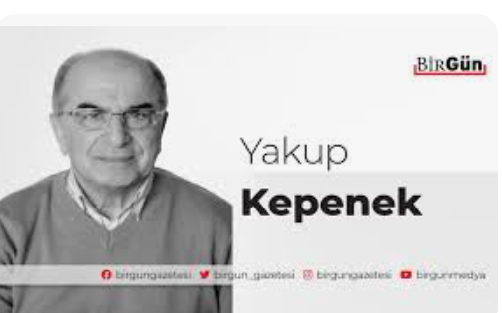
Prof Yakup Kepenek
The Architecture of the Hunt: From Institutions to Individuals
In a landscape where the independence of the judiciary and state institutions has been largely dismantled, the ruling power has shifted its focus toward “individual hunting.” This strategy is not merely about silencing critics; it is a calculated effort to bring perceived “harmful” figures to heel or eliminate them from the public sphere entirely.
By ignoring universal legal principles such as the “presumption of innocence” and the rule of “trial without detention,” the scope of this hunt has expanded exponentially. What began as sporadic interventions has evolved into a relentless, high-velocity campaign that impacts Turkey’s politics, economy, and culture.
A Growing List of “Trophies”
The history of this systemic manhunt finds its roots in the Gezi Park protests of 2013. Figures like philanthropist Osman Kavala remain imprisoned despite rulings from the European Court of Human Rights (ECHR). The hunt has since moved through every corridor of Turkish society:
-
Political Targets: HDP co-chairs Selahattin Demirtaş and Figen Yüksekdağ have been behind bars since 2016. Perhaps the most glaring contradiction is the case of Can Atalay, a lawfully elected deputy who remains imprisoned while the parliament simultaneously debates the release of PKK leader Abdullah Öcalan.
-
Civil Society & Heroes: Even those who rushed to help during national tragedies are not immune. Nasuh Mahruki (founder of AKUT) and artist Haluk Levent, both pivotal during the 2023 earthquake relief efforts, have faced the government’s crosshairs.
-
Local Governance: The “hunt” accelerated after the 2019 local elections. From Istanbul Mayor Ekrem İmamoğlu to former Izmir Mayor Tunç Soyer, the government has used legal proceedings as a sword against opposition municipalities. Most recently, Bolu Mayor Tanju Özcan was detained, reportedly for his social programs providing scholarships to thousands of students.
-
The Military & Press: The recent dismissal of five top-ranking lieutenants for chanting “We are the soldiers of Mustafa Kemal” during their graduation ceremony highlights the intolerance toward secular symbols. Meanwhile, journalists like Merdan Yanardağ, Fatih Altaylı, and Alican Uludağ face constant judicial harassment.
The Case of Hadise: Silencing Global Goodwill
The most recent and perhaps most culturally damaging example of this manhunt involves the famous pop singer Hadise Açıkgöz. As a UNICEF “Goodwill Ambassador,” Hadise posted a humanitarian appeal for children in Gaza, Sudan, and Africa.
In response, Presidential Chief Advisor Oktay Saral accused her of “damaging Turkey’s reputation” by mentioning the country alongside crisis-ridden regions. Following a coordinated smear campaign by pro-government media, Hadise was forced to delete her post and step down from her international humanitarian role.
The Long-Term Cost: A Desert of Values
The damage of these “hunts” extends far beyond the individuals targeted. When a society’s artists, scientists, and athletes—who represent the nation’s “pride”—are systematically attacked, the cultural well-being of the entire country suffers.
When a figure like Hadise is silenced for a humanitarian act, it sends a chilling message to the youth who look up to her. It stifles the emergence of “new values” and prevents the next generation of talent from engaging with the world. History proves that once a society’s core values are hunted down, replacing them takes decades of labor and struggle.
For the sake of the nation’s health and its international standing, the public must show greater sensitivity and solidarity with those being hunted. Protecting these individuals is, in essence, protecting the very existence of a free and vibrant Turkey.
Related articles
ANALYSIS: Erdogan’s Gambit to Neutralize the CHP, and CHP’s Counter Plan

President Erdoğan Blames Israel for Regional Conflict
Footsteps of political transformation: Erdogan’s control over Turkey is ending