Türkiye Human Rights: The Global Legacy of the Osman Kavala
 press_freedom_Turkey
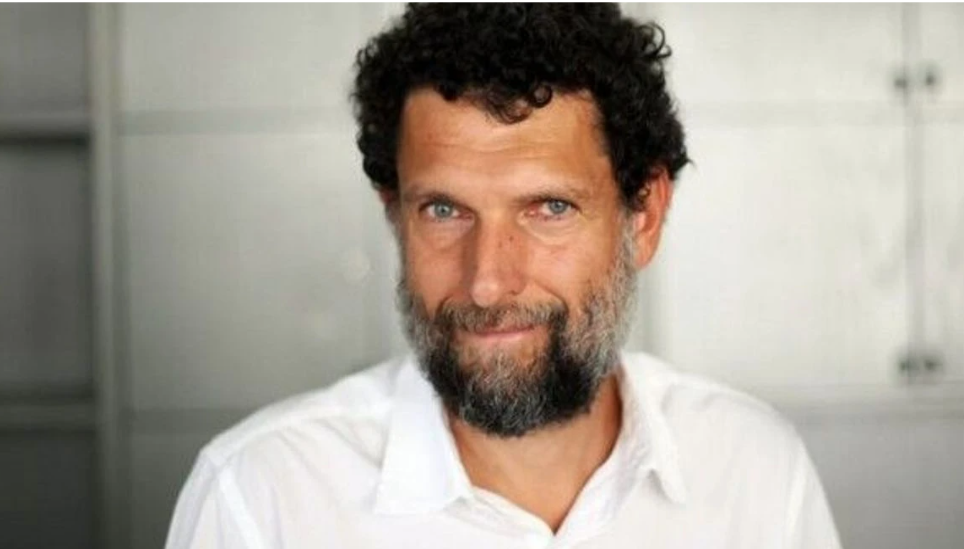
The case of Osman Kavala, the imprisoned cultural patron and founder of the “Anadolu Kültür” foundation, continues to resonate as a primary focus of international human rights discourse in 2026. Recently, Liberal International awarded Kavala the prestigious Prize for Freedom during a ceremony in Berlin. The award was accepted on his behalf by his wife, Ayşe Buğra, a distinguished professor and public intellectual. The event, attended by a significant number of Turkish citizens and international advocates, served as a platform to highlight the ongoing challenges regarding the rule of law in Türkiye and the resilience of those committed to democratic values.
The Kavala Case: A Pillar of International Legal Criticism
Osman Kavala has now been imprisoned for over eight and a half years, a situation that many international legal bodies and NGOs describe as a clear violation of human rights standards. The “Kavala case” is frequently cited as a symbol of the broader crackdown on political opposition that intensified following the 2016 coup attempt. Despite receiving various global accolades—including the Goethe Medal—Kavala remains a central figure in the debate over judicial independence in Türkiye. Human rights advocates argue that his work promoting the diverse cultural heritage of Anatolia should be celebrated rather than penalized, positioning his case as a critical indicator for Türkiye’s future relationship with the European community.
Intellectual Resilience and the Role of Global Engagement
During the award ceremony, Ayşe Buğra spoke movingly about the intellectual bond that sustains her and her husband through books and letters, despite restricted visitations. This narrative of resilience has sparked renewed calls for European and global engagement with Türkiye’s intellectual and liberal communities. Experts like Hakan Altinay, director of the European School of Politics in Istanbul, emphasize that despite the stalling of EU membership prospects, the “Bridge between Europe and the Middle East” remains a vital cultural and geopolitical link. The message from the Berlin ceremony was clear: sustained engagement with Türkiye’s civil society is essential to ensuring that the country’s rich cultural and intellectual life continues to strive toward a future defined by freedom.
source: freiheit.org