Türkiye-EU Relations Strained by Conflicting Geopolitical Narratives
 tr-eu
tr-eu
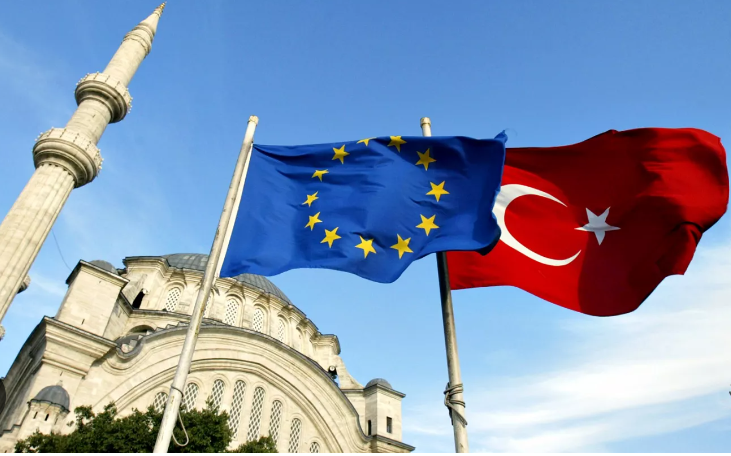
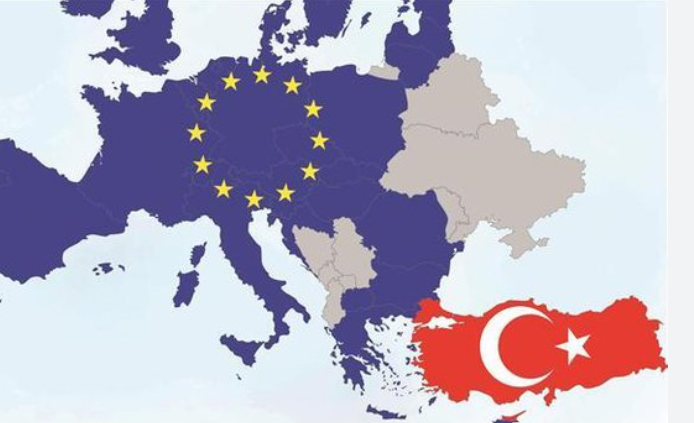
The stability of Türkiye-EU relations is facing a new wave of uncertainty as top officials in Brussels deliver sharply contradictory messages regarding Ankara’s role on the global stage. While the European Union strives to present itself as a unified geopolitical force, recent statements from the European Commission have exposed a deep internal schism. This lack of a cohesive vision not only undermines the EU’s credibility but also threatens to push a vital security and economic partner further toward alternative global alliances.
Internal Divides on Türkiye-EU Relations
The inconsistency was evident when Commission President Ursula von der Leyen characterized Türkiye as part of a “malign axis” alongside Russia and China, casting the nation as a geopolitical rival that Europe must resist. Conversely, EU enlargement chief Marta Kos argued that the union “needs Türkiye in light of changing geopolitical realities,” emphasizing its indispensable role in trade and security. This public demonstration of an internal schism is detrimental to the union’s ambitions. In international diplomacy, consistency is the bedrock of credibility; without a unified stance, the EU remains at a disadvantage in a power-driven geopolitical contest.
From Accession Debates to Strategic Partnerships
Historically, the discourse surrounding Türkiye-EU relations focused on formal membership, a process that has remained largely dormant since 2005. However, the conversation has shifted toward defining a “strategic partnership.” An upcoming Carnegie Europe paper ranks Türkiye as the EU’s sixth most critical global partner for economic security—surpassing the United States in certain metrics. As a NATO ally with a rapidly growing defense industrial base, Türkiye offers a unique opportunity for Europe to reduce its military dependence on external powers. Collaboration in energy logistics and regional stability represents a positive agenda that is currently being hindered by Brussels’ indecision.
The Risk of Geopolitical Alienation
The consequences of a fragmented EU policy are already being felt in Ankara. Hostile rhetoric from high-ranking officials bolsters the view among Turkish policymakers that the EU is a rival rather than a partner. This perception encourages a foreign policy that hedges against European interests, potentially leading to increased cooperation with non-Western powers like Russia and China. To be a successful geopolitical actor, the EU must move beyond “constructive ambiguity” and establish a cogent, consistent framework for its engagement with a country that is already a major regional power.
Source: carnegieendowment.org