Trump’s “Gaza Peace Board” Takes Shape as Netanyahu Accepts Invitation
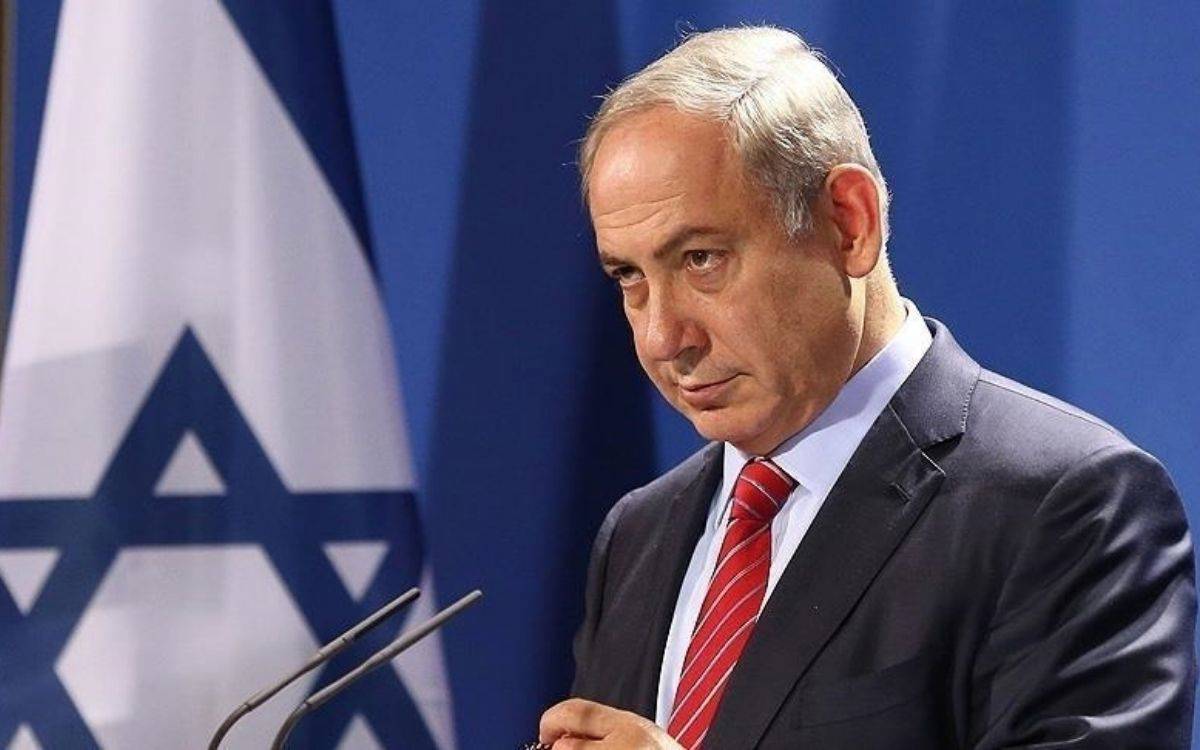
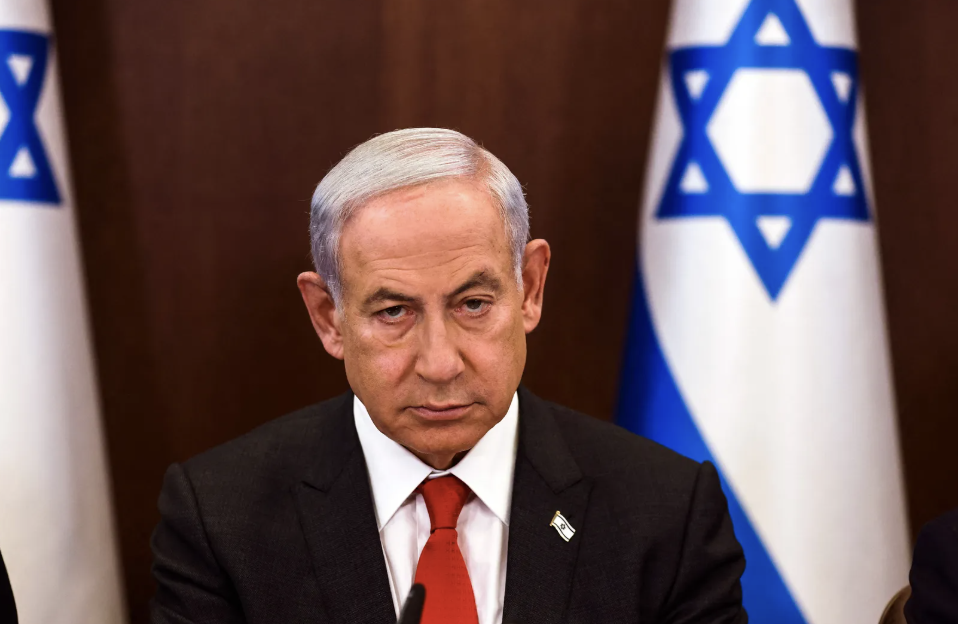 Netanyahu
A new international initiative led by U.S. President Donald Trump to oversee the reconstruction and governance of Gaza is beginning to take concrete form. Known as the “Gaza Peace Board” (Board of Peace), the proposed structure aims to bring together world leaders and senior officials in an unprecedented, multi-layered governance model focused on post-conflict stabilization. Israel has now formally confirmed its participation, signaling that the project has moved beyond early speculation into an operational phase.
Israel Confirms Netanyahu’s Participation
The Israeli Prime Minister’s Office officially announced that Prime Minister Benjamin Netanyahu has accepted President Trump’s invitation to join the initiative. In a statement reported by Al Arabiya, the office said: “Prime Minister Netanyahu announced that he has accepted the invitation of U.S. President Donald Trump and will participate as a member of the Peace Board composed of world leaders.”
This confirmation marks the first public acknowledgment by Israel that it will take part at the highest political level. Analysts note that Netanyahu’s acceptance lends significant political weight to the initiative, particularly given Israel’s central role in any future arrangement concerning Gaza’s governance and security.
A Leaders-Only Peace Board
According to the draft charter that has circulated in international media, the Gaza Peace Board will operate strictly at the level of heads of state and heads of government. President Trump himself is expected to chair the board, reinforcing the White House’s direct involvement in shaping both political direction and international coordination.
The invitation list reflects a deliberate effort to include leaders from key geopolitical regions. Among those reportedly invited are Turkish President Recep Tayyip Erdoğan, Russian President Vladimir Putin, Hungarian Prime Minister Viktor Orbán, Egyptian President Abdel Fattah el-Sisi, Jordan’s King Abdullah II, Canadian Prime Minister Mark Carney, and Polish President Karol Nawrocki. The diversity of participants suggests that the initiative is designed to balance Western influence with regional and non-Western actors, an approach that could prove decisive for legitimacy and long-term viability.
Operational Governance: The Gaza Management Board
Beyond the symbolic and diplomatic role of world leaders, the initiative includes an operational body tasked with supporting on-the-ground efforts. This structure, referred to as the “Gaza Management Board,” is intended to translate political decisions into practical action.
According to a list released by the White House, Türkiye will be represented on this board by Foreign Minister Hakan Fidan, underscoring Ankara’s active role in regional diplomacy and humanitarian engagement. Fidan will sit alongside a group of influential international figures, including Trump’s son-in-law Jared Kushner, former UK Prime Minister Tony Blair, Qatar’s Ali Al-Thawadi, Egyptian General Hassan Rashad, and UAE Minister Reem Al-Hashimy.
Observers point out that this mix of political, diplomatic, security, and economic actors reflects an attempt to address Gaza’s challenges holistically—combining reconstruction, governance reform, and regional coordination rather than focusing solely on security.
A Multi-Tiered Institutional Design
The administrative framework of the Gaza Peace Board reveals a complex, multi-layered governance model. At the top sits the Peace Board, chaired by Donald Trump and composed exclusively of world leaders who are expected to provide political legitimacy, high-level coordination, and strategic oversight.
Supporting this is the Gaza Management Board, which functions as a field-support and implementation body. In addition to Hakan Fidan, this board reportedly includes figures such as Marc Rowan and Nikolay Mladenov, bringing experience in diplomacy, finance, and international mediation.
A key linking role is assigned to the Gaza High Representative, a position designated to Nikolay Mladenov. This role serves as a bridge between decision-makers and operational committees on the ground, ensuring continuity between strategy and implementation.
Local governance is addressed through the creation of the National Committee of Gaza (NCAG). This body is composed entirely of 15 Gazan technocrats, signaling an effort—at least structurally—to incorporate local expertise and ownership. The committee, chaired by Dr. Ali Sha’ath, is expected to manage internal administrative affairs under international supervision.
Security responsibilities are centralized under an International Stability Force, commanded by Major General Jasper Jeffers. While details remain limited, this component suggests that stabilization and security enforcement will be treated as international responsibilities rather than left solely to local or regional actors.
Finally, strategic direction is expected to come from a Vision Board (Executive Board) comprising U.S. Secretary of State Marco Rubio, Steve Witkoff, and World Bank President Ajay Banga. This body is designed to shape long-term policy, financing models, and reconstruction priorities.
Strategic Implications for the Region
The emerging structure of the Gaza Peace Board highlights a shift toward an internationally supervised governance experiment, combining global leadership with technocratic local administration. Supporters argue that such a framework could break longstanding deadlocks by aligning security, reconstruction, and political legitimacy under one umbrella.
Critics, however, question whether a leader-driven model chaired by a sitting U.S. president can balance competing interests without deepening geopolitical rivalries. The participation of figures such as Erdoğan, Putin, and Sisi suggests that negotiations within the board itself may be as complex as the challenges on the ground.
Related articles
Turkish FM Fidan Warns of Potential Jet Confrontation with Israel
Most Turks Oppose Trump’s Gaza Proposal, MetroPOLL Survey Finds
Netanyahu Draws a ‘Red Line’ on Turkish Troops in Gaza as U.S. Sides with Israel