



Şimşek: Türkiye Leverages Fiscal Space to Buffer Energy Shocks
 mehmet-simsek
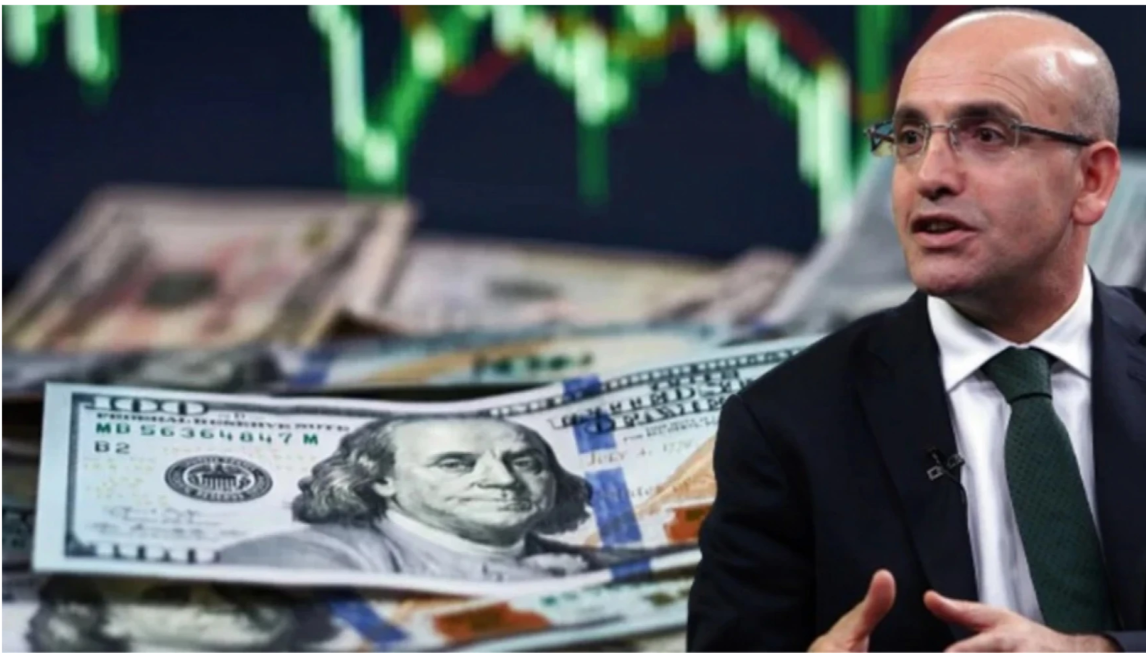
Minister of Treasury and Finance Mehmet Şimşek provided a robust defense of Türkiye’s economic resilience during the IMF-World Bank Spring Meetings in Washington, D.C. Speaking at a panel titled “The Future of Economic Integration in a Fragmenting World,” Şimşek argued that Türkiye is uniquely positioned to navigate global geopolitical volatility. He specifically highlighted the “sliding scale” (eşel mobil) system as a critical tool that has allowed the government to shield citizens from the full impact of global oil price hikes.
The Eşel Mobil Buffer and Fiscal Discipline
Addressing concerns over rising energy costs, Minister of Treasury and Finance Mehmet Şimşek claimed that Türkiye is less affected by fuel price volatility than many of its peers. He attributed this to the country’s strategic use of a sliding-scale system, which adjusts fuel tax rates to offset fluctuations in international crude oil prices.
“If we can mitigate the inflation shock caused by crude oil prices today through the sliding scale system in diesel and gasoline, it is because we kept our budget deficit below 3% of GDP and our debt-to-GDP ratio under 24% last year,” Şimşek stated. He emphasized that the “fiscal space” created by disciplined budgeting serves as a national insurance policy against global crises.
Global Integration and New Trade Corridors
Beyond immediate energy concerns, Şimşek outlined a vision for Türkiye as a “natural de-risking and production diversification platform” for the region. Key highlights from his address include:
-
The Middle Corridor: Şimşek identified it as the most efficient option for future trade, connecting Asia to Europe via the Bosphorus.
-
Infrastructure Investment: He noted that Türkiye has invested approximately $400 billion in physical infrastructure over the past 25 years.
-
World Bank Funding: He highlighted a recent $8.1 billion financing agreement with the World Bank aimed at critical railway projects.
-
Regional Connectivity: Negotiations are ongoing with Iraq to reconnect the Persian Gulf and Gulf Cooperation Council (GCC) countries to Türkiye’s infrastructure network.
Despite the “fragmenting world” described in the panel’s title, Şimşek remained optimistic, citing Türkiye’s high LNG capacity and extensive pipeline network as pillars of energy security. He concluded by urging a proactive approach to the digital and green transitions, suggesting that current global shocks should be viewed as catalysts for structural reform rather than mere obstacles.