Economy Forces Turkish Seniors to Sacrifice Basic Nutrition
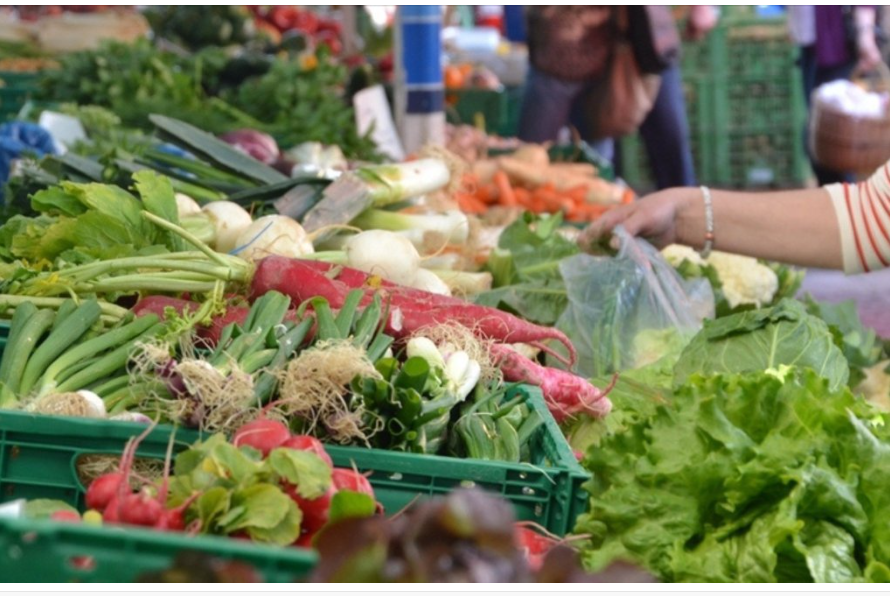 food prices
The deepening economic contraction has officially breached the threshold of social life and entered the realm of survival. According to the April survey results conducted by GENAR Research and presented to the AK Party leadership, the social cost of the current financial landscape is surfacing through alarming data. Despite a broader disinflationary period and macro-level improvements, a “wait-and-see” strategy has taken hold of the masses, causing a radical shift in austerity measures. While citizens previously cut back on social and cultural outings, these restrictions have now shifted toward essential food spending, signaling a significant change in the public’s survival instincts.
Economic contraction hits vulnerable senior citizens the hardest
The narrative of the cost-of-living crisis takes a particularly grim turn when analyzing the most vulnerable demographics within the country. The April report, which measures the societal impact of the fiscal slowdown, highlights that even as macroeconomic indicators show technical improvement, the pressure on the ground is mounting.
The most striking revelation of the study centers on the elderly population. According to the findings, 21.6% of citizens over the age of 65—effectively one in every five seniors—have been forced to reduce their food spending. This shift signifies that the decline in purchasing power is no longer just a matter of reduced luxury but a direct threat to basic sustenance for those on fixed incomes.
Journalistic inquiry into the data suggests that while annual inflation fell to 30.9% in March, boosting public confidence in economic management by a narrow 2.29 points, geopolitical tensions are still dictating a defensive consumer posture. A significant 58.1% of participants declared a total inability to save money, while the few who can are flocking to gold and foreign currency to preserve what remains of their wealth.
The restructuring of household spending patterns confirms that the kitchen has become the primary site of financial sacrifice. The transition from cutting “wants” to cutting “needs” represents a critical phase in the Turkish economic landscape, where the struggle for food security among the elderly has become a centerpiece of the national conversation. Analysts suggest that until these macro improvements reach the dinner table, the social toll of the monetary tightening will continue to weigh heavily on Türkiye’s aging population.
Source: karar