Turkey’s 2026 Economic Program: No Extra Raises for Retirees, Minimum Wage Target Omitted
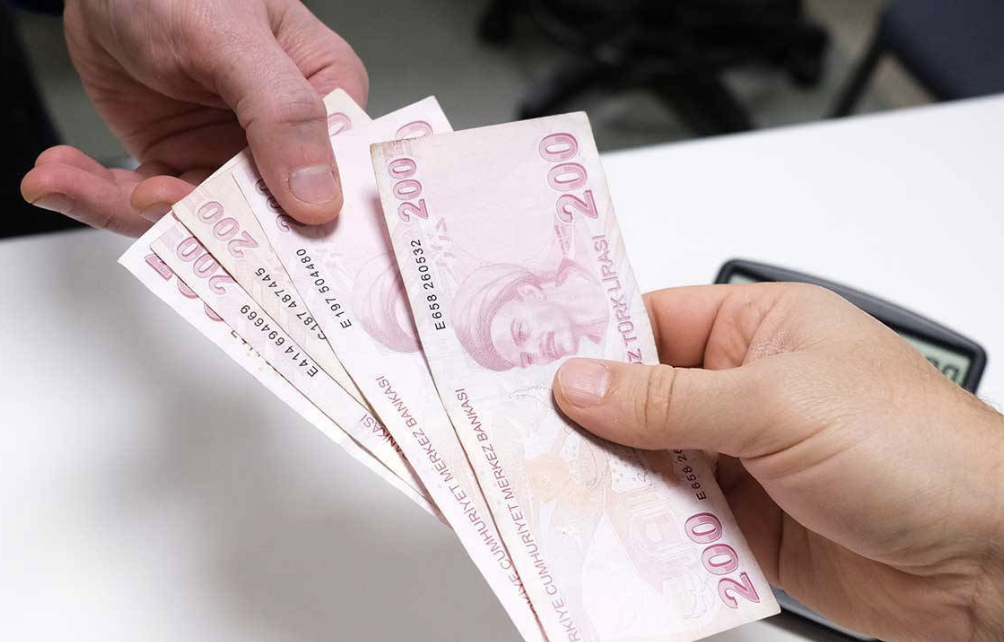 Wages in Turkey
The Presidency of the Republic of Türkiye has released the 2026 Annual Economic Program, setting the tone for next year’s fiscal and social policies. The document presents a restrictive approach to wage and pension increases, signaling that civil servant and retiree raises will be limited to collective bargaining agreements and inflation adjustments—with no additional pay hikes planned.
According to the program, no extra increase will be applied to other retirees, including SSK and Bağ-Kur pensioners, beyond the standard inflation rate. Furthermore, no projection or target has been provided for the minimum wage or the lowest pension payments, tempering public expectations of a major rise.
The report, which defines the roadmap for Turkey’s 2026 economic policy, indicates a more conservative fiscal stance aimed at controlling inflation and stabilizing public finances amid global uncertainty.
Reassessment of Past Increases
In its evaluation of previous wage adjustments, the program claims that real wages for public employees and retirees remain positive, suggesting that purchasing power has been preserved despite high inflation. Economists, however, caution that this assessment contrasts with the rising cost of living, particularly as the hunger threshold surpasses ₺30,000, making the current minimum wage sufficient for only 22 days of basic food expenses.
No Additional Support Beyond Inflation
Reports from T24 confirm that the 2026 plan includes no additional social relief measures for retirees or public employees beyond contractual and inflation-based increases. The omission of any minimum wage goal signals that the government prefers to wait for mid-year inflation trends before adjusting the wage floor.
SGK’s Growing Budget Dependency
The Social Security Institution (SGK) features prominently in the report, revealing deep fiscal imbalances. For 2026, the SGK’s total revenues are projected at ₺5.17 trillion, while expenditures are expected to reach ₺6.94 trillion.
To bridge this gap, the government plans to inject ₺2.33 trillion in direct budget transfers, in addition to ₺1.7 trillion in non-premium income, highlighting continued dependence on public subsidies to sustain the pension system.
Economists view these figures as evidence that rising pension obligations and slowing premium inflows remain key risks for fiscal stability, forcing the government to limit new spending initiatives in 2026.
Public-Private Partnership Payments Reach ₺238 Billion
Another major item in the 2026 Program is the ₺238 billion allocation for Public-Private Partnership (PPP) projects, which continue to place pressure on the state budget. The breakdown of these payments includes:
-
₺78.7 billion for city hospital rental fees,
-
₺57.5 billion for operational expenses, and
-
₺101.8 billion for vehicle-guaranteed bridge and highway projects.
The document also notes that construction is ongoing for 13 city hospitals, while tenders for three new hospitals are expected to be launched in 2026, underlining the government’s continued investment in healthcare infrastructure despite tight fiscal conditions.
Economic Analysts React
Financial experts describe the program as a signal of fiscal discipline and austerity, with the government prioritizing inflation control and deficit reduction over wage-driven growth. The absence of additional pension increases and minimum wage guidance is viewed as an effort to avoid fueling inflationary expectations.
However, analysts warn that the stagnation in real household income could weigh on domestic consumption, potentially slowing overall economic activity in 2026 unless targeted social policies are introduced later in the year.
Related articles

Çiğdem Toker: Huge Hidden Costs of Public -Private Partnerships

Turks Cross Into Greece for Cheaper Groceries as Prices Soar at Home

Scope Ratings Confirms Turkey’s Credit Rating