Turkey Begins Training Syrian Army Units Under New Defense Pact
 syria-military
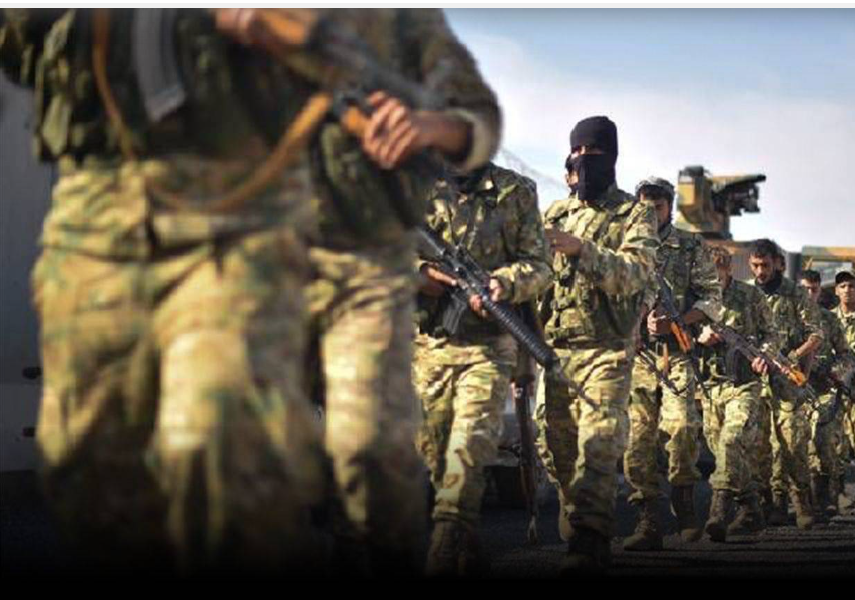
In a major milestone for regional defense diplomacy, Turkey’s Ministry of Defense confirmed that units from Syria’s new army have begun training in Turkish military barracks, using Turkish weapons and equipment. The initiative, announced on 30 October by ministry spokesperson Zeki Aktürk, is part of a comprehensive cooperation agreement aimed at rebuilding Syria’s defense and security infrastructure following years of conflict.
Syrian Cadets to Train in Turkish Military Academies
Aktürk stated that 49 Syrian cadets will officially begin their studies at Turkish military academies on 31 October, joining several Syrian army units that have already commenced joint training exercises at Turkish Armed Forces’ facilities. The move, he said, came at the formal request of the Syrian government to enhance its army’s “capacity building” efforts amid an ongoing modernization drive.
The state-run Anadolu Agency reported that the collaboration represents a deepening of defense ties between Ankara and Damascus—relations that have only recently been restored after more than a decade of diplomatic estrangement.
Syria Expands Military Education Abroad
The new cooperation follows the 22 October announcement by Syrian Defense Minister Lt. Gen. Murhaf Abu Qasra, who confirmed that groups of Syrian officer cadets were departing for military studies in Turkey and Saudi Arabia. The initiative is designed to strengthen academic and military cooperation among the three nations while standardizing training based on international military education frameworks.
Syria’s Defense Ministry told Enab Baladi that it plans to dispatch training missions to several friendly countries, aiming to equip its officers with the latest tactical, technological, and administrative expertise. The long-term vision, it said, is to build a professional and modern army capable of responding effectively to evolving regional and global security challenges.
These steps are part of Syria’s broader military restructuring efforts, coming after the restoration of diplomatic relations with Turkey and Saudi Arabia in December 2024.
Training and Advisory Agreement Details
In August, during a high-level visit to Ankara, Syrian Foreign Minister Asaad al-Shibani, Defense Minister Murhaf Abu Qasra, and intelligence chief Hussein al-Salama met with Turkish Defense Minister Yaşar Güler to sign a “Joint Training Memorandum of Understanding.”
According to Syria’s Ministry of Defense, the agreement outlines:
-
Regular exchange of military personnel for specialized courses aimed at improving interoperability and combat readiness.
-
Advanced training in counterterrorism, demining, cyber defense, logistics, and peacekeeping, in line with international best practices.
-
Technical assistance through the deployment of Turkish experts to help modernize Syria’s command structure, military systems, and institutions.
The Syrian Arab News Agency (SANA) reported that the deal aims to rebuild and reform the Syrian army, reduce the influence of irregular armed factions, and ensure compliance with international military standards.
Turkey to Supply Weapons and Military Equipment
Adding to the partnership’s depth, Bloomberg reported on 17 October that Turkey will soon supply Syria with a range of military hardware, including armored vehicles, drones, artillery, rockets, and air defense systems. Turkish officials said the equipment would be deployed in northern Syria to prevent tensions with Israel in the southwest.
The shipments, reportedly part of broader agreements with Syria’s transitional president Ahmed al-Sharaa, are intended to help rebuild Syria’s damaged arsenal and consolidate control under a unified military command.
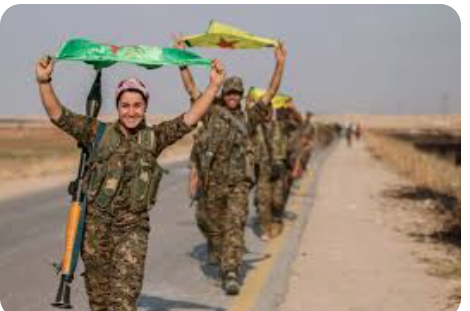
Ankara’s motivation, analysts say, is twofold: to support Syria’s stabilization under al-Sharaa’s leadership and to counterbalance the growing influence of the Syrian Democratic Forces (SDF) in northeastern Syria—a group Turkey associates with the PKK, its long-time adversary.
A Strategic Shift in Regional Security
This evolving partnership marks the first formal military cooperation between Ankara and Damascus since diplomatic normalization. It reflects a strategic recalibration in the region, as both governments seek to expand the 1998 Adana security accord, which permits Turkish operations against Kurdish militants near the border.
For Turkey, the collaboration underscores a pragmatic approach to regional stabilization and border security. For Syria, it represents an opportunity to rebuild its army with modern equipment, training, and expertise, potentially reshaping its defense doctrine for the post-war era.
As defense ties deepen, observers say this alliance could redraw security dynamics in the Middle East, positioning Turkey as a central partner in Syria’s military reconstruction and regional power balance.
Related articles

SDF Reaches Comprehensive Integration Deal with Damascus After Weeks of Clashes
Fidan Says No Defense Pact Signed Yet as Turkey Pushes Regional Security Diplomacy
Sharaa Issues Final Ultimatum to SDF: “Integrate or Face Total War”