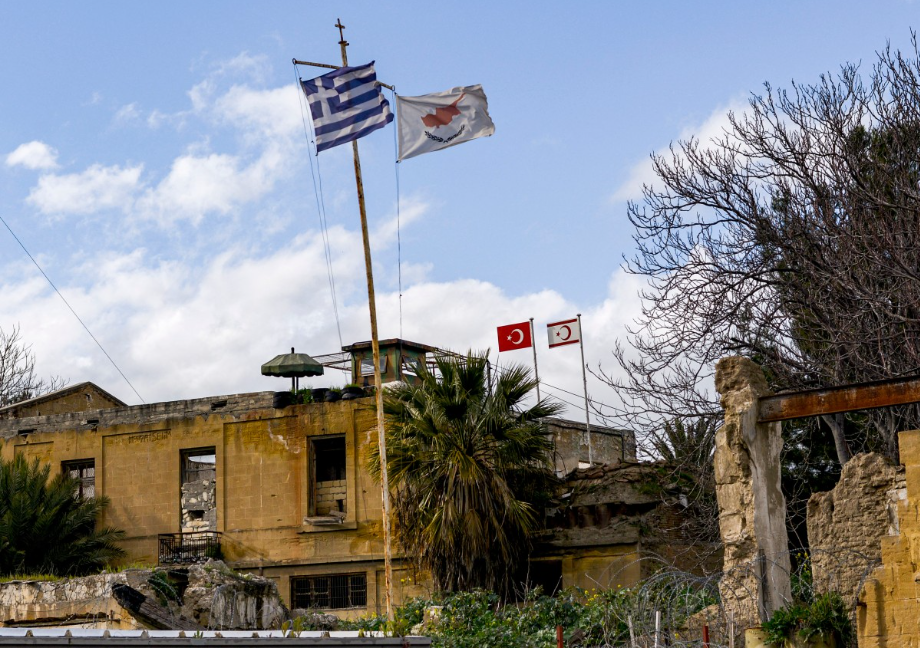
Northern Cyprus Election: Between Shadows and the People’s Voice
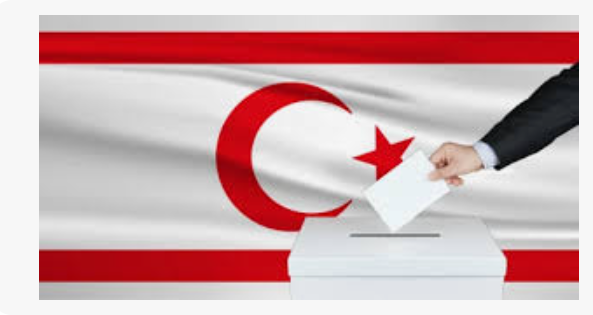 kktc-secim
Summary:
As Turkish Cypriots head to the polls on October 19, the presidential election in the Turkish Republic of Northern Cyprus (TRNC) has evolved beyond a political contest into a deeper struggle for sovereignty and self-determination. Accusations of Turkish interference, rising tensions between Ankara-backed and independent candidates, and a yearning for democratic autonomy have turned this vote into a defining test of will — one where, as many citizens put it, “independence is not just a flag, but a state of mind.”
A Vote Between Influence and Independence
Sunday’s TRNC presidential election is no ordinary vote. For many on the island, it represents a battle between external control and local willpower.
The open support shown by Ankara — particularly from Turkey’s ruling AKP and Vice President Cevdet Yılmaz — for incumbent President Ersin Tatar has reignited old debates about Turkey’s political and institutional influence over Northern Cyprus.
Yılmaz’s door-to-door campaigning and heavy presence on the island have drawn sharp criticism from opposition parties, who claim the “brotherhood narrative” has crossed into “political tutelage.”
The ballot box, say many observers, has become “a memory chest” — containing the echoes of 1974, 1983, and 2004: the Turkish military intervention, the founding of the TRNC, and the disappointment following the Annan Plan referendum, when Turkish Cypriots voted “yes” for reunification but were left isolated after the Greek Cypriot “no.”
Erhürman Leads the Democratic Bloc
Leading the race is Tufan Erhürman, candidate of the Republican Turkish Party (CTP) — a constitutional scholar, former prime minister, and one of the most prominent advocates of civil governance and rule of law in Northern Cyprus.
Erhürman’s campaign slogan, “The Turkish Cypriots determine their own future,” has struck a chord with younger voters frustrated by external pressure. His message goes beyond party politics; it’s a call for self-determination, democratic reform, and renewed negotiations with the Greek Cypriot side under UN auspices.
“Our independence is defined not by who stands behind us, but by who stands beside us,” Erhürman said at a recent rally in Nicosia.
Surveys suggest Erhürman is currently leading the race, drawing broad support from both traditional CTP voters and independents seeking to reclaim local political agency.
Competing Visions of the TRNC
Incumbent President Ersin Tatar, backed by Ankara, continues to campaign on the message of “harmony with the motherland,” framing unity with Turkey as the cornerstone of security and prosperity.
By contrast, Erhürman positions himself as the candidate of democratic resistance, promising institutional reform and a return to a more civilian, autonomous, and lawful administration.
Meanwhile, Osman Zorba, the Socialist Party candidate, represents a more radical platform, calling for a complete end to Turkey’s military and political presence on the island.
Independent candidates Mehmet Hasgüler, İbrahim Yazıcı, Ahmet Boran, Hüseyin Gürlek, and Arif Salih Kırdağ also campaign on various reformist themes, united in their emphasis on the people’s will over external control.
A Historical Reminder
The 2025 election takes place against the backdrop of half a century of contested sovereignty.
Since 1974, when Turkey intervened militarily following a Greek-backed coup, the TRNC has lived under international non-recognition. Despite repeated peace initiatives — most notably the 2004 Annan Plan, in which Turkish Cypriots overwhelmingly voted in favor of reunification — the northern part of the island remains politically isolated.
Now, fifty years later, Turkish Cypriots once again stand at a crossroads.
Accusations of interference have revived long-dormant questions about what sovereignty truly means.
“Perhaps this time, the cracks in our democracy will not divide us — but awaken us,” a journalist in Nicosia remarked. “Because independence is not lived through symbols, but through choices.”
“A Stage, Not Just a Ballot Box”
For many, this election feels more like a national reckoning than a conventional vote.
Every ballot, they say, carries not just a choice of candidate but a piece of the island’s collective memory — a response to decades of silenced frustrations and unfulfilled promises.
The sentiment among many voters is clear:
“We are not voting in the shadows of others — we are voting to hear our own voice.”
As one observer put it: “When the ballots are opened this Sunday, it won’t just be numbers that are revealed — it will be poetry. A people saying, ‘We are here, with our own voice, our own path.’”
About the Author
Zeynel Lüle was born in 1957 in Divriği, Sivas. After studying French language and literature and later social sciences at the University of Strasbourg, he began his journalism career at Hürriyet in 1983 and later became the paper’s Brussels correspondent. He also represented CNN Türk in Europe and served in senior roles at the Association of Journalists at the European Parliament (AJPE).
Lüle received the Costantinos Kaligaris Award from the European Journalists Association for his contribution to Turkey–EU relations and has published several books, including Ali Çavuş and Can Yoldaşım. He currently writes for T24 and presents programs on Tele1, continuing his long-standing engagement with European affairs and culture.
PA Turkey intends to inform Turkey watchers with diverse views and opinions. Articles on our website may not necessarily represent the view of our editorial board or count as endorsement.
Follow our English language YouTube videos @ REAL TURKEY:
🔗 https://www.youtube.com/channel/UCKpFJB4GFiNkhmpVZQ_d9Rg
And content at Twitter: @AtillaEng — Facebook: Real Turkey Channel
🔗 https://www.facebook.com/realturkeychannel/
Related articles
Cyprus Mail: Nuland sounds death knell for EastMed pipeline
Bahçeli Calls for ‘82nd Province to Be TRNC’ After Opposition Victory in Cyprus
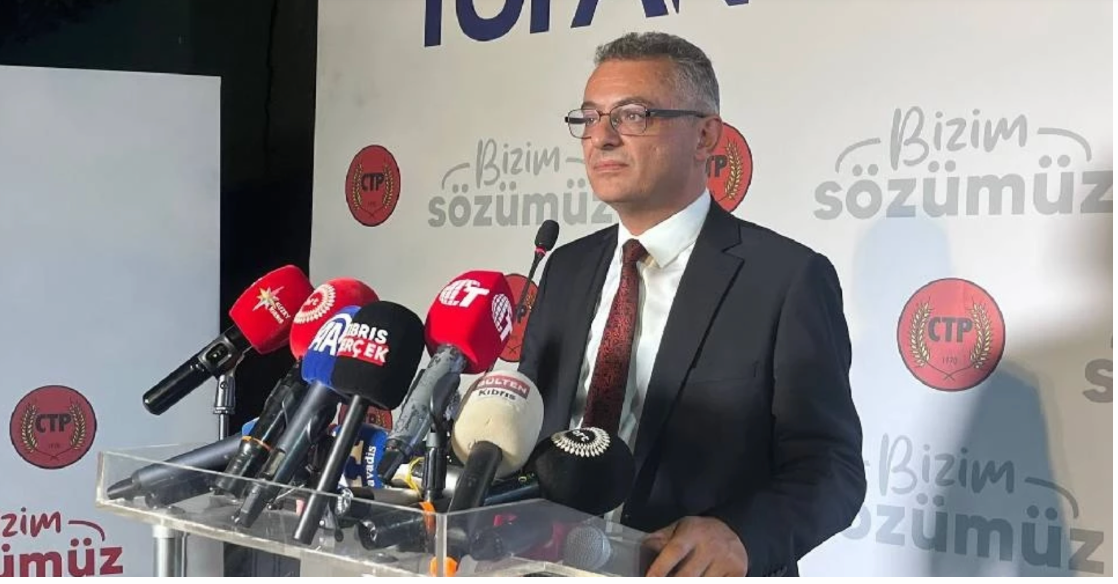
Tufan Erhürman Wins Presidency in Northern Cyprus, Pledges Unity and Neutrality