Mehmet Uçum: “A New Phase Has Begun — Öcalan Could Be Heard by Parliament Commission”
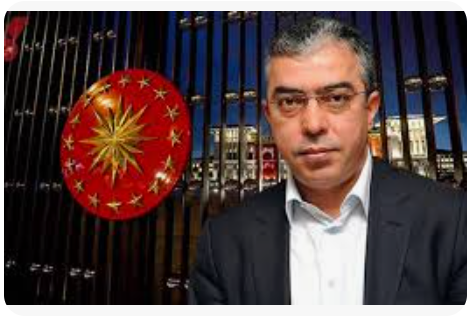 mehmet ucum
Summary:
Presidential Chief Adviser Mehmet Uçum has said that Turkey has entered “a new phase” in the peace process following the latest talks with İmralı. Uçum stated that the Parliamentary Commission for National Solidarity, Brotherhood and Democracy could formally hear testimony from imprisoned PKK leader Abdullah Öcalan, adding that it would be “a shortcoming” if the body failed to prepare a report on strengthening democracy before concluding its work. His remarks came just days after President Erdoğan described his latest meeting with the DEM İmralı delegation as “constructive and full of hope.”
Uçum: “Commission Could Hear Öcalan”
In a post on social media, Mehmet Uçum — who also serves as deputy chair of the Presidential Legal Policy Board — announced that the government-led peace process had moved into a new institutional stage.
“At this point, the Parliamentary Commission for National Solidarity, Brotherhood and Democracy is expected to hear Öcalan before completing its listening activities,” Uçum said.
He added that this development followed President Erdoğan’s meeting with the DEM İmralı delegation, which he characterized as “a productive and forward-looking exchange.” Erdoğan’s tone, said Uçum, reflected the government’s determination to “see tangible progress in the coming days.”
Two Reports Expected from the Parliamentary Commission
Uçum outlined the work ahead for the commission, suggesting it may prepare two separate reports:
-
A Transition Process Legal Framework Report
-
A Democracy Strengthening Report
“The commission could prepare these as separate documents, or as two parts of a single comprehensive report,” he explained. “But if the commission concludes its work without a report that strengthens democracy, that would be a deficiency.”
He also noted that the body represents over 90% of Parliament, describing it as “a rare opportunity for national consensus on deepening democracy.”
“A Terror-Free Turkey Is a Beginning, Not an End”
Uçum emphasized that the goal of the process is not simply ending terrorism but launching a new era for Turkey and the region:
“A terror-free Turkey is not an end but a beginning. The reports prepared by this parliamentary commission on transition law and democracy will make a serious contribution to this new era.”
He reiterated that the process is being carried out with President Erdoğan’s full determination, quoting the president’s recent remarks:
“With a sensitive, constructive and inclusive approach, we will continue our efforts to ensure that the sacrifices of our people have not been in vain. We will open a new era of peace, security, and brotherhood not only within our borders but beyond them.”
“The Transition Process Has Matured”
According to Uçum, Erdoğan’s decision to meet the İmralı delegation on October 30, 2025 demonstrates that the process has “matured and is nearing completion.”
“With this meeting, the transition process has entered its final phase,” he said, adding that the effort has now become a formal state policy. The coming months, he added, will depend heavily on the content and direction of the commission’s forthcoming reports.
Bahçeli’s Discontent: A Rift Within the Alliance?
Uçum’s remarks came amid growing speculation about tensions between President Erdoğan and MHP leader Devlet Bahçeli. Bahçeli’s decision to skip the Republic Day celebrations drew attention and fueled talk of “frustration” within the ruling alliance.
According to political columnist Nuray Babacan, Bahçeli has been “angry with Erdoğan for moving too slowly” in the peace process. AKP insiders reportedly expressed unease, asking, “What are the MHP members saying?” Meanwhile, DEM representatives were excluded from the presidential reception, a move seen as inconsistent with the spirit of the current dialogue.
Two Contrasting Views on the Process
Optimists argue that Turkey’s peace process and regional diplomacy are advancing together. They point to efforts in Syria, where the removal of PKK-linked elements from the Syrian Democratic Forces (SDF) could help consolidate both peace and the country’s unitary structure.
Skeptics, however, highlight Parliament’s recent vote to extend the government’s military deployment mandate in Syria and Iraq from two years to three. The motion stressed that terrorist threats persist along Turkey’s southern borders and that the PKK/YPG/PYD continue to pose a risk to national security.
Is Erdoğan Slowing Down the Peace Process?
Bahçeli’s dissatisfaction has led some to question whether President Erdoğan is intentionally slowing or recalibrating the peace process. Uçum’s comments — particularly his reference to “a new phase” and “Öcalan’s possible testimony” — suggest the administration remains committed but is institutionalizing the effort under parliamentary oversight rather than executive initiative.
Analysts note that while Erdoğan is maintaining dialogue through state channels, security institutions remain cautious, particularly regarding the evolving situation in Syria and northern Iraq. The process, for now, appears to be proceeding in fits and starts — two steps forward, one step back.
Related articles
Syrian rebels allegedly informed Turkey of attack plan six months ago
FM Fidan calls for removal of PKK from Syria and Iraq
Schinas Urges Türkiye to Choose Between Hamas and Europe Amid Rising Regional Tensions