Israel Halts Syria Airstrikes as Ceasefire Holds—Türkiye Steps Up Regional Diplomacy
 syria-map
Ceasefire between Syrian government and Druze militias temporarily halts escalation, but tensions linger amid Israeli strikes and Turkish warnings.
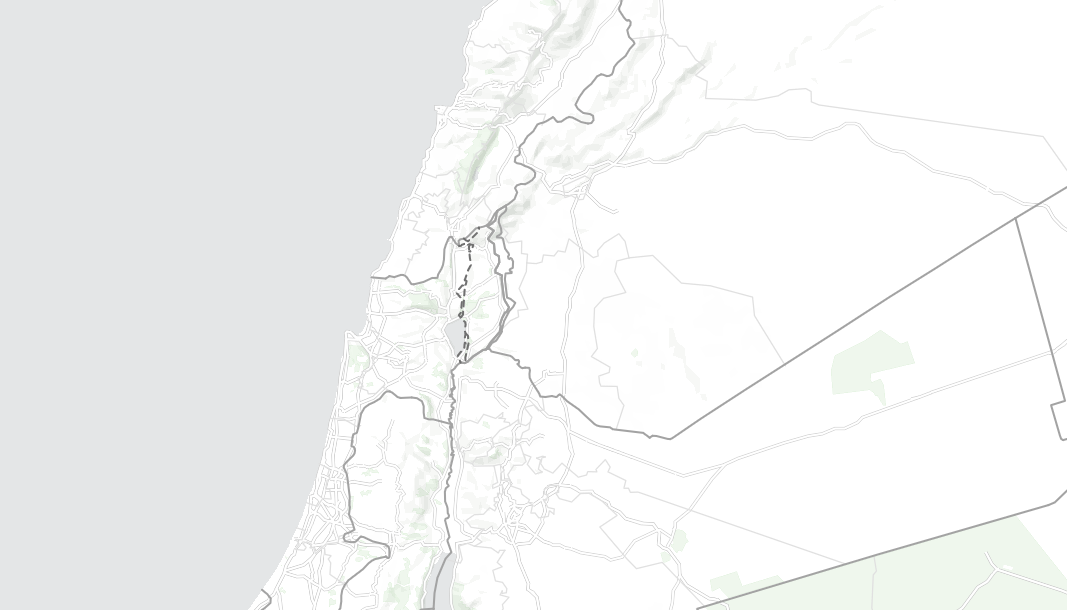
Israel has suspended its airstrikes on Syria following the announcement of a fragile ceasefire in the southern province of Suwayda, where deadly sectarian clashes between Druze militias and Bedouin tribes had escalated dangerously over the past week. Syrian President Ahmed al-Sharaa confirmed Thursday that his government had reached an agreement with Druze factions to withdraw military forces and hand over security responsibilities to local authorities.
The move marks a temporary de-escalation in one of Syria’s most volatile regions since the Islamist-led toppling of the Assad regime last year. However, the ceasefire’s durability remains uncertain, with deep-seated sectarian tensions, competing regional interests, and continued military build-ups on all sides.
Israel’s Strikes and Withdrawal
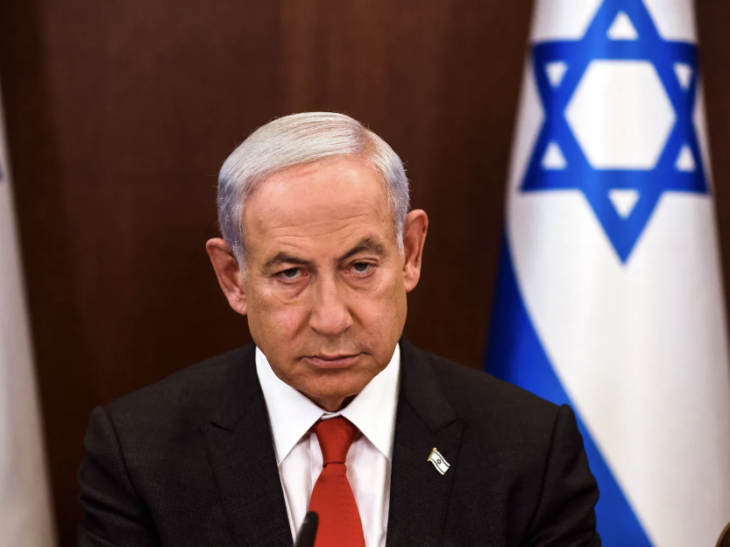
Prime Minister Benjamin Netanyahu confirmed Israel had halted operations after conducting high-profile airstrikes on Syrian military infrastructure, including the Ministry of Defense in Damascus and positions near the presidential palace. “As a result of that powerful action, a ceasefire came into force, and the Syrian forces retreated back to Damascus,” Netanyahu said. “We will not allow Syrian army forces to enter the region south of Damascus going forward.”
The Israeli military justified its actions as protective measures for the Druze community, which has historical ties to Israel, especially in the Golan Heights. The Israeli government also cited concerns over the Syrian army’s growing presence near its border.
11-Nation Statement and Türkiye’s Diplomatic Surge
In a joint statement, the foreign ministers of 11 countries—including Türkiye, Saudi Arabia, Egypt, Jordan, and the UAE—welcomed the ceasefire and condemned Israel’s “recurrent assaults” on Syria. The statement emphasized that Syria’s territorial integrity is essential to regional stability.
Türkiye has emerged as a central diplomatic actor in this crisis. Foreign Minister Hakan Fidan, speaking in New York, described Israel’s strikes as part of a “systematic policy of destabilization.” He emphasized that Israel’s actions undermine regional peace and violate the sovereignty of neighboring states.
“From Gaza to the West Bank, Lebanon to Iran, and now into Syria’s political core, Israel is implementing a pattern of disregard for international norms,” Fidan said. He noted that Türkiye had launched immediate diplomatic outreach to the U.S., Saudi Arabia, and Jordan to forge a coordinated response.
Syria’s Domestic Dilemma and Sharaa’s Balancing Act
President Sharaa’s decision to pull out of Suwayda reflects the complexities of Syria’s post-conflict transition. “We were facing two options,” he said. “An open war with the Israeli entity at the expense of the Druze and destabilizing Syria, or allowing Druze locals to return to wisdom and prioritize national interest.”
The Druze community, a 1-million strong Arab sect, is spread across Syria, Israel, and Lebanon. In Syria, they form a majority in the Suwayda province and have historically held semi-autonomous control. Recent events have reignited sectarian tensions, as Sunni Bedouin groups clashed with Druze militias in violence that left at least 360 people dead—including 207 Syrian security personnel, according to the Syrian Observatory for Human Rights.
Sharaa praised the mediation efforts by Türkiye, the United States, and Arab states for averting a broader regional catastrophe.
Türkiye’s Strategic Concerns Over Israel’s Actions
Ankara sees Israel’s July 16 strike on Damascus as a calculated provocation—not just against Syria’s new leadership, but also against Türkiye’s growing influence in post-war Syria. Turkish officials noted that the strike targeted symbols of Syrian statehood and came dangerously close to crossing a line in regional diplomacy.
Türkiye has framed Israel’s actions as an attempt to derail fragile peace efforts in Syria just as the country appears to be emerging from over a decade of civil war. The Turkish Parliament passed a motion condemning the Israeli airstrikes as “heinous attacks,” and top government officials, including presidential aides and ministers, have echoed a unified message: Türkiye will not allow Israel to reshape the region unilaterally.
Ankara also warned terrorist organizations like the YPG not to exploit the current instability in Suwayda. Fidan issued a blunt message: “Do not mistake regional turmoil for an opportunity,” signaling that Türkiye would respond swiftly to any such provocations.
What Comes Next?
While the ceasefire offers short-term relief, lasting peace remains elusive. With Israeli forces still mobilized near the border, Druze factions divided on whether to accept the truce, and the Syrian government struggling to assert centralized authority, the risk of renewed conflict looms large.
Türkiye’s leadership sees this moment as a pivotal juncture—an opportunity to guide Syria toward stability, provided that regional powers refrain from unilateral provocations. Whether Israel, Syria, and other actors are willing to commit to that path remains the pressing question.
IMPORTANT DISCLOSURE: PA Turkey intends to inform Turkey watchers with diverse views and opinions. Articles in our website may not necessarily represent the view of our editorial board or count as endorsement.
Follow our English language YouTube videos @ REAL TURKEY: https://www.youtube.com/channel/UCKpFJB4GFiNkhmpVZQ_d9Rg
And content at Twitter: @AtillaEng
Facebook: Real Turkey Channel: https://www.facebook.com/realturkeychannel/