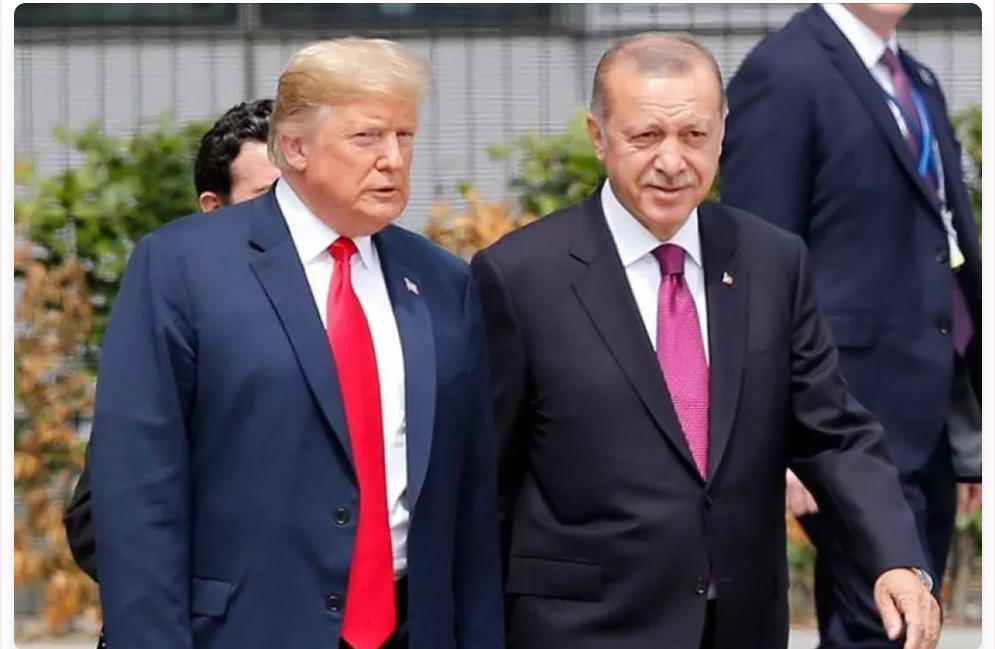
Gonul Tol: Does Trump’s Praise for Erdoğan Signal a Real Policy Shift?
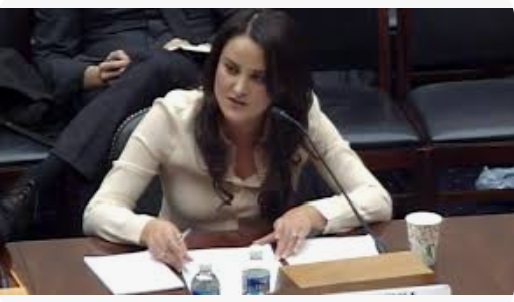 gonul tol
Ankara left empty-handed as Washington maintains pressure on defense, energy, and legal fronts
By Gönül Tol, Director of the Middle East Institute’s Center for Turkish Studies
U.S. President Donald Trump’s latest praise for Turkish President Recep Tayyip Erdoğan has fueled excitement in Ankara’s pro-government circles, rekindling hopes of a thaw in U.S.–Turkey relations. But past experience suggests that Trump’s flattering words rarely translate into policy concessions — and may even precede new pressure.
Flattery with consequences
In 2019, Trump called himself “a big fan of the President,” only to impose sanctions over Turkey’s S-400 missile deal with Russia, a punitive measure that continues to block Ankara’s defense modernization efforts. Around the same time, he threatened to “totally destroy and obliterate” Turkey’s economy if Ankara violated his Syria red lines.
When the U.S. pastor Andrew Brunson was detained, Trump warned of “large sanctions” unless he was released — the lira immediately plunged 4.5%, then lost another 10% when Washington sanctioned two Turkish ministers.
The message from that episode was clear: Trump’s praise was often the prelude to punishment.
Déjà vu at the White House
Following this month’s White House meeting between Trump and Erdoğan, a similar pattern appears to be emerging. Turkish officials had entered the talks seeking progress on several contentious issues:
-
lifting of U.S. defense-industry sanctions,
-
resolution of the long-running Halkbank legal case,
-
and expanded economic cooperation, particularly in energy and aviation.
Erdoğan’s delegation also sought renewed access to the F-16 modernization program and relief from export restrictions affecting critical defense components.
However, according to both Turkish and U.S. officials, none of these demands were met. Despite Ankara’s pledge to purchase more American liquefied natural gas and Boeing aircraft, the summit yielded no tangible breakthroughs.
Instead, Trump used the joint press conference to call on Turkey to stop buying Russian oil, publicly cornering Erdoğan on a sensitive energy-security issue.
For Ankara, the optics were disappointing. “Erdoğan came to Washington hoping for deals; he left with praise,” one senior Turkish analyst observed.
Ankara’s growing list of requests
Turkey’s diplomatic wish list from Washington remains long and politically fraught. In addition to the lifting of CAATSA-related sanctions, Ankara is seeking:
-
a resolution to the Halkbank trial and its associated financial penalties;
-
an end to U.S. support for Syrian Kurdish forces linked to the PKK;
-
inclusion in Western defense supply chains; and
-
greater flexibility on energy imports from Russia and Iran, key to its domestic energy balance.
The Erdoğan government has also urged Washington to facilitate foreign investment inflows, particularly from U.S. funds wary of secondary sanctions risks.
So far, the Trump administration has shown little appetite for such concessions.
Rhetoric vs. reality
Despite effusive praise from Trump — who described Erdoğan as “a terrific leader doing a great job under difficult conditions” — the structural obstacles in the relationship remain. Washington continues to view Turkey’s defense alignment with Russia and its transactional regional diplomacy with skepticism.
“Flattery is cheap foreign policy,” said one Western diplomat. “It costs Trump nothing to say nice things about Erdoğan, but it doesn’t change the calculus in Washington.”
Background: Gönül Tol
Gönül Tol is the Founding Director of the Middle East Institute’s Center for Turkish Studies in Washington, D.C., and a Senior Fellow for the Black Sea Program. She holds a Ph.D. in Political Science from Florida International University and specializes in Turkish foreign policy, U.S.–Turkey relations, and regional security. Tol is a frequent commentator for international outlets including BBC, Al Jazeera, Foreign Policy, and The Washington Post.
Related articles

Gonul Tol comments on growing signs of a rift between allies Erdogan and Bahceli
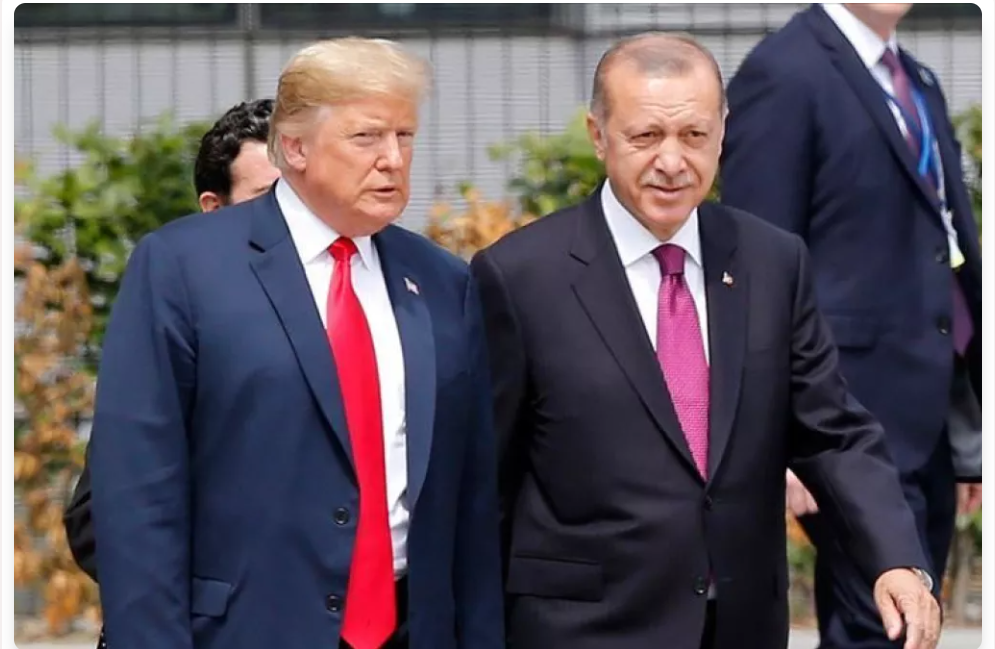
Trump Erdogan phone call: Trump reminds Erdogan of Pastor Brunson again
Ankara’s Strategic Coup: How the Fall of Kurdish Autonomy Reshapes the Syria-Israel Equation