COMMENTARY: Brace for Impact: Why I’m Sounding the Alarm on the Turkish Economy and Global Bubbles
 impact
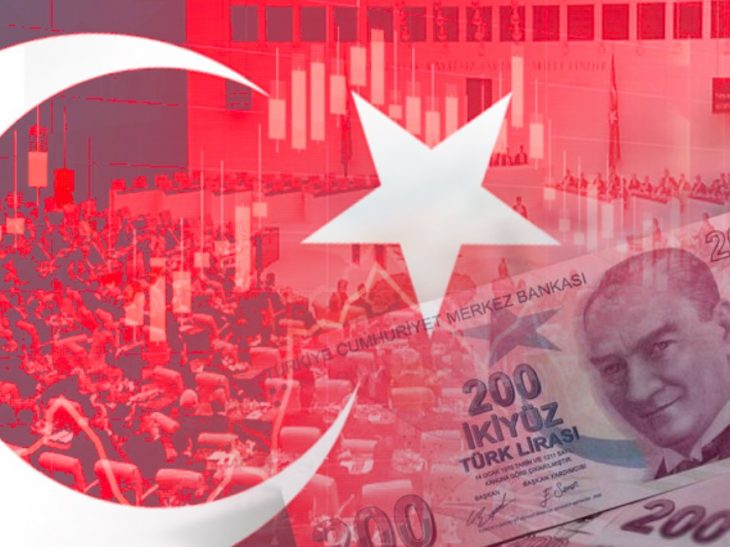
This is a pivotal week for Turkish markets, and frankly, my friends, the air is thick with risk. As an economist, I usually stick to one or two key themes, but the current agenda is so dense and critical that I have to quickly navigate seven major flashpoints. My consistent principle is to think global, act local, and right now, the global risks are directly feeding into our local decisions.
The Central Bank’s Critical Error
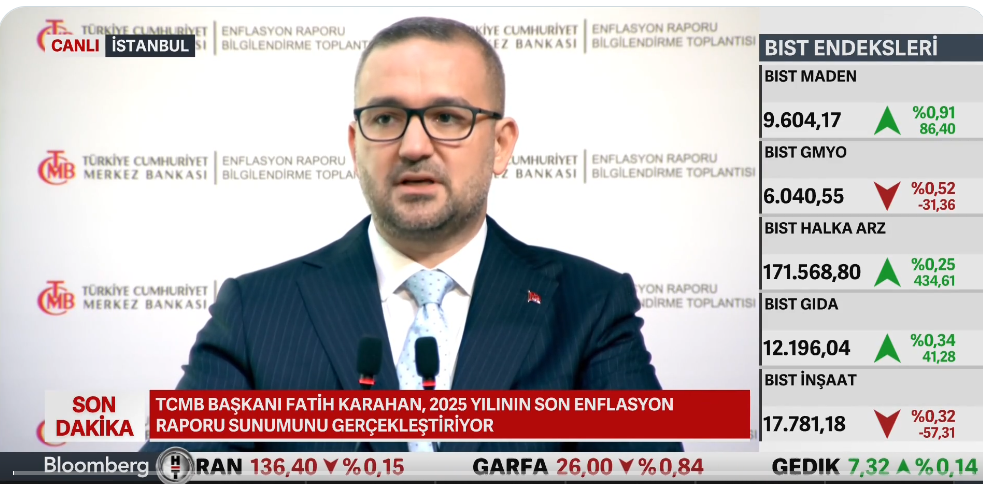
The first flashpoint is the upcoming TCMB interest rate decision. While many surveys anticipate a 150 basis point cut, citing a faster-than-expected fall in inflation and the market’s inability to withstand high rates, I believe such a move would be a profound mistake.
My concern is rooted in the data I see on the ground. Just last week, we saw housing sales hit a four-year record high, with mortgage-backed sales—the kind that appeal most to the middle class—jumping by a staggering 37%. The Central Bank’s claim that domestic demand is cooling is simply contradicted by Turkish citizens taking out loans to buy property. For them, real estate prices and borrowing costs are still perceived as cheap relative to a public inflation expectation that is far higher than the official rate.
A rate cut now would be a tacit approval of this demand surge, undermining the entire disinflation process. I had previously suggested a 150 bps cut was tolerable, but given this latest housing data, I am now urging the TCMB: Do not do it. Stay the course.
The Budget: A Half-Hearted Fight Against Inflation
The burden of the disinflation fight cannot solely rest on the Central Bank’s shoulders; fiscal policy must coordinate by tightening the budget, especially the non-interest deficit. While Finance Minister Mehmet Şimşek is making progress on budget discipline, the outlook is not encouraging enough.
When I look at the proposed 2026 budget, I see a dilemma: the government is taking from one pocket while simultaneously giving back with the other. The planned 500,000 social housing project, while laudable, has a colossal rough construction cost of around 800 billion Turkish Lira. This ambitious venture requires huge spending from the budget and public banks, injecting massive stimulus into the construction sector, which accounts for at least 7% of our GDP.
My projection is that the budget deficit will only narrow to 3.6% of GDP next year, which means the fiscal side is unlikely to provide the necessary support for disinflation. Worse, the government’s interest payments alone are set to soar above $50 billion next year—nearly 4% of GDP. This massive debt servicing cost is the direct result of a lack of investor confidence, forcing the state to pay higher yields on its bonds.
A Chill Wind on Borsa Istanbul: The Corporate Crackdown
Investors in the Turkish stock market (Borsa Istanbul) must exercise extreme caution. The ongoing series of operations targeting major business groups—like those involving Ciner, Can, and Park Holdings, and the recent probe into the former general manager of Şişecam—is far more destabilising than any political shock.
These are not just simple investigations; they are creating an atmosphere of fear. In an environment where companies are often unwillingly drawn into gray-area transactions by external pressures, these “clean hands” operations introduce an unparalleled level of systemic risk. No one feels safe.
Political shocks tend to dissipate within a couple of days, but the uncertainty surrounding which company will be next to face scrutiny can paralyze investment decisions for months. This is why I maintain my gloomy forecast: due to these corporate risks and the potential for a global downturn, I see the BIST 100 index potentially falling to 9,000 points by year-end.
The Global Credit Bubble and the Gold Mania
My concerns are compounded by the global economic picture. The International Monetary Fund (IMF) has issued stern warnings about a severe credit bubble in the “shadow banking” sector (private credit), whose balance sheet size now rivals that of traditional banks. This sector engages in highly risky transactions and could trigger a major financial system shock.
Furthermore, I am observing an irrational mania in the gold market. Gold is surging by 1.5% to 2% daily, reaching all-time highs for no fundamental reason. This is a classic asset bubble fueled purely by fear—fear of geopolitical conflict, fear of inflation, and fear of everything else. Economists cannot predict when a bubble will burst, but all the signs are there. A geopolitical event, like a de-escalation between major powers, could suddenly deflate the gold rally, causing significant losses for those who bought at the peak. Investors should be taking profits, not chasing this unsustainable rise.
The Last Word: My Turkish Lira Recommendation
Finally, let me address the question of the Turkish Lira and reserves. The TCMB’s reserves are constantly rising and could soon exceed $190 billion, setting a new historical record. However, much of this increase is purely due to the rising value of gold, which the Bank strategically bought to replace its US Treasury holdings.
Despite the prevailing political anxiety that drives individual savers to hold foreign currency, I stand by my core advice: Do not flee the Turkish Lira.
Turkey’s current account deficit is low, and the Central Bank has sufficient foreign exchange reserves to cover all essential needs—imports, debt payments, and citizen demand—for at least another year, even in the darkest imaginable scenario. Panicking and switching to foreign currency now, even if the TCMB cuts rates, is a mistake that will likely cost you money. For the time being, staying in Turkish Lira remains the more rational investment choice.