FT: Erdoğan Tightens Grip as Pressure Mounts on Opposition and Media in Türkiye
 erdogan
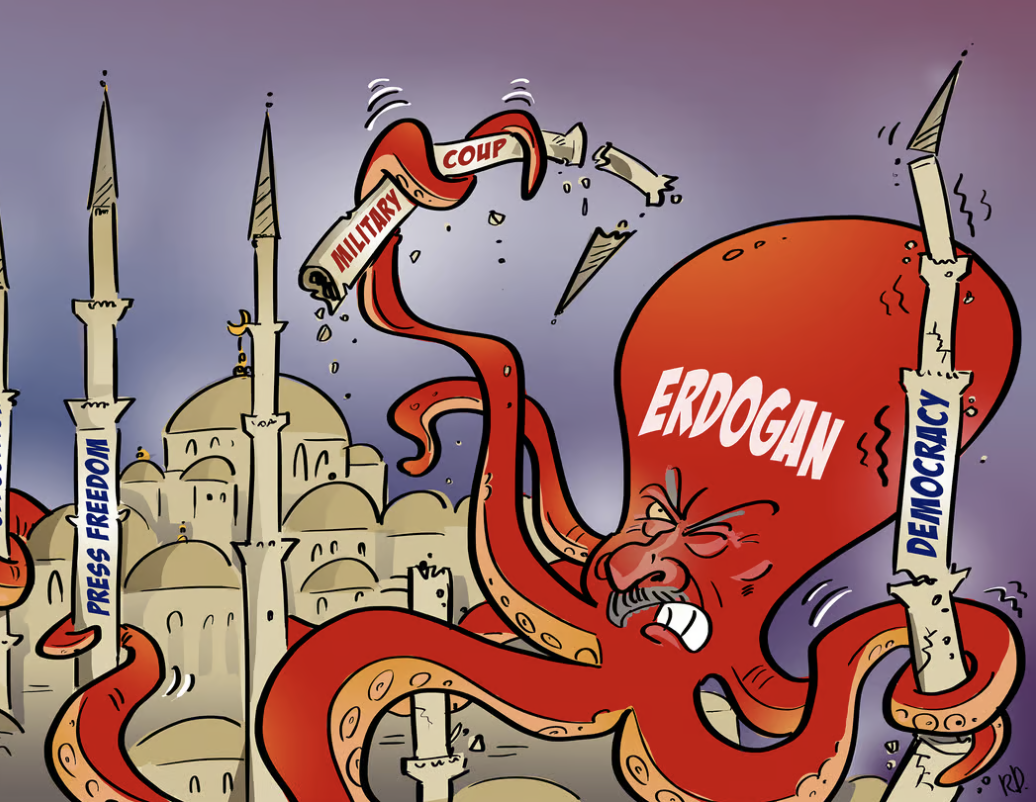
President Recep Tayyip Erdoğan’s government has intensified legal and political pressure on opposition figures, journalists, and local administrations, raising concerns among analysts about democratic backsliding. The developments come as Türkiye’s global strategic importance continues to shield Ankara from stronger international criticism.
Crackdown Expands Across Opposition and Media
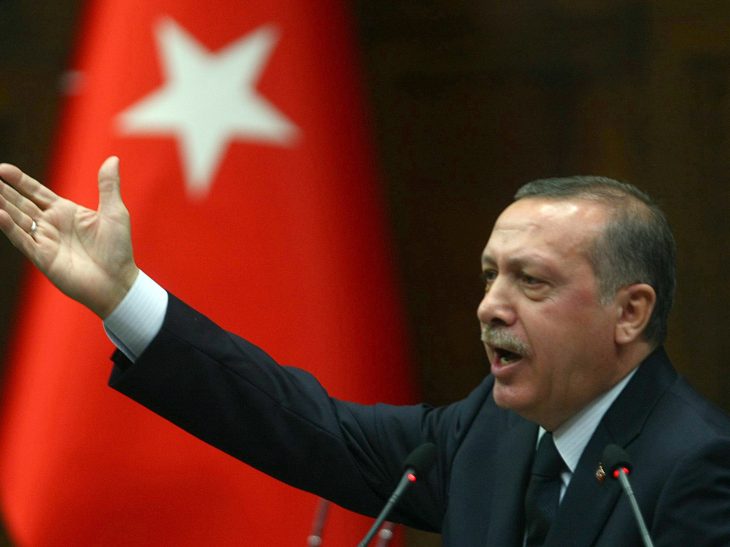
President Recep Tayyip Erdoğan has moved to consolidate political control amid a widening series of investigations and arrests targeting opposition figures and journalists.
In April alone, at least 27 journalists and media workers were either detained or summoned for questioning, according to watchdog groups. Among them was investigative journalist İsmail Arı, known for reporting on corruption and public spending.
Analysts say the scale and intensity of recent actions mark one of the most significant crackdowns in Türkiye’s modern political history.
Erdoğan Signals “On-Time Elections” — But Path to Candidacy Remains Unclear
“Most Severe Period Since 1950”
Observers argue that the current environment represents a historic turning point.
Selim Koru of the Ankara-based think tank Tepav described the situation as “by far the worst since 1950,” when Türkiye held its first free and fair elections, suggesting that state institutions have effectively expanded control over political life.
Key Rivals Under Legal Pressure
The legal spotlight has increasingly focused on leading opposition figures.
Istanbul Mayor Ekrem İmamoğlu—widely regarded as Erdoğan’s most formidable political rival—faces multiple charges that could result in an unprecedented cumulative prison sentence. İmamoğlu has denied all allegations.
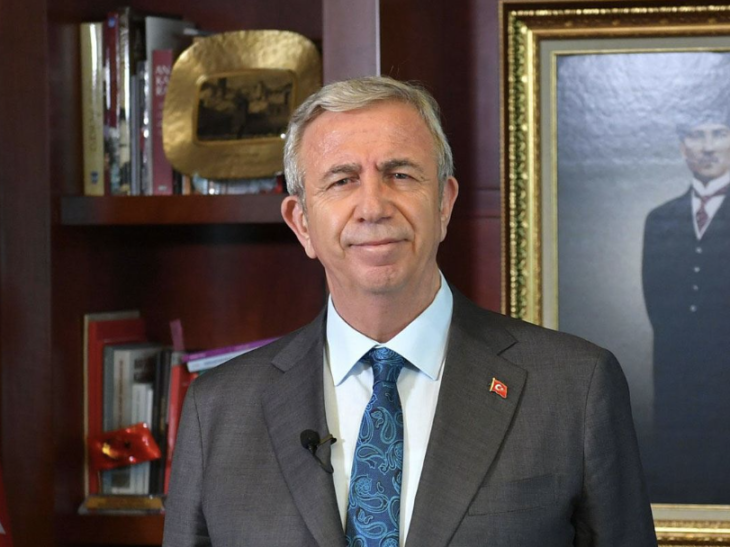
Meanwhile, Ankara Mayor Mansur Yavaş is now under investigation over alleged misuse of municipal resources.
Polling data suggest that both figures could pose a serious electoral challenge to Erdoğan in a future presidential race.
Municipalities Shift to Appointed Control
The crackdown has extended to local governments. Several opposition mayors—including those in Bursa and Uşak—have been detained on corruption and bribery charges in recent months.
As a result, more than 30 municipalities, representing approximately 28 million citizens, are now being administered by appointed officials rather than elected representatives.
CHP leader Özgür Özel has accused the government of pursuing a deliberate strategy to sideline political rivals.
Media Freedom Under Strain
Press freedom concerns have also intensified. A journalist working for Deutsche Welle was detained earlier this year on charges of insulting the president, drawing criticism from international observers.
Such cases have reinforced concerns about the shrinking space for independent journalism in Türkiye.
Tightening the Reins: Why MHP’s Radical Internal Purge Could Backfire
Strategic Role Limits International Pushback
Despite domestic developments, Türkiye’s growing geopolitical importance has tempered international criticism.
Ankara has played a prominent diplomatic role in multiple global conflicts, including mediation efforts in the Iran war, the Russia-Ukraine conflict, and stabilization initiatives in Syria. It is also set to host an upcoming NATO leaders’ summit.
US President Donald Trump’s attendance remains uncertain, although Foreign Minister Hakan Fidan has suggested that personal ties with Erdoğan could influence participation.
Analysts note that Türkiye’s strategic relevance has reduced the visibility of domestic political issues on the global stage.
Economic Pressures Shape Public Response
High inflation and a prolonged cost-of-living crisis appear to be dampening public reaction to political developments.
While last year’s arrest of İmamoğlu triggered mass protests, recent actions have drawn a more muted response. Surveys indicate declining public belief that legal cases against opposition figures are politically motivated.
Experts suggest that economic uncertainty and geopolitical risks may be contributing to a sense of political fatigue among voters.
Erdoğan Signals Firm Control
President Erdoğan has emphasized that his government remains firmly in control, framing recent developments within a broader narrative of national stability and security.
Amid ongoing regional conflicts and economic challenges, the administration continues to prioritize order and resilience, positioning itself as a stabilizing force.
Analysts say these dynamics have strengthened Erdoğan’s political position, even as concerns over democratic institutions persist.
Adapted from Turkish media reports on FT article