



Türkiye Recalibrates Global Religious Strategy to Navigate European Restrictions
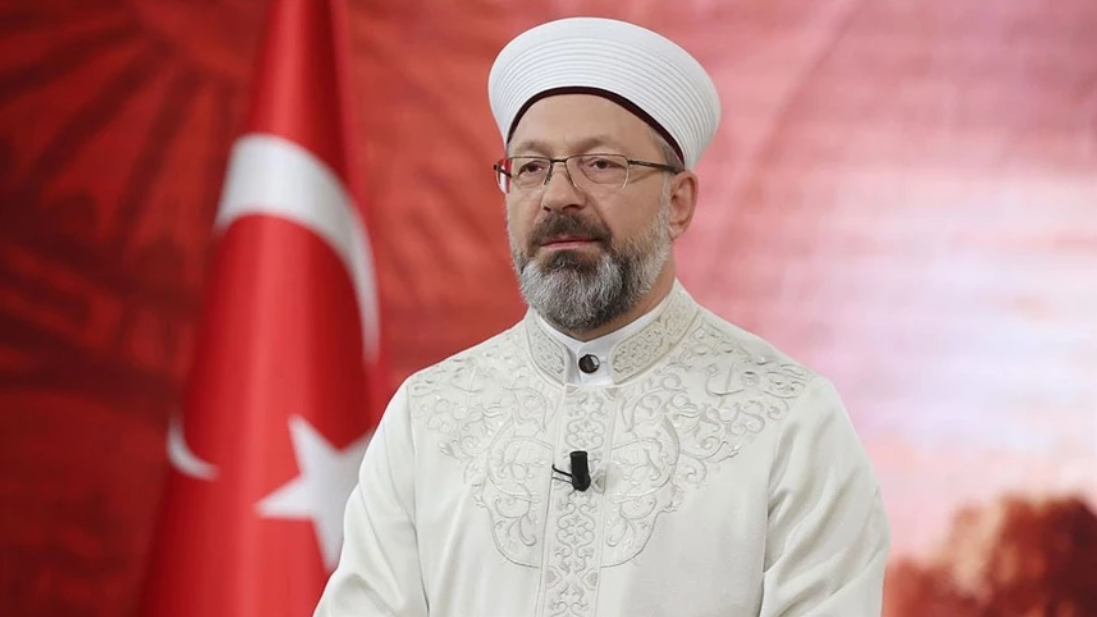 diyanet
Türkiye’s powerful religious authority, the Diyanet İşleri Başkanlığı (the Directorate of Religious Affairs, the successor to Ottoman Shey-u-Islam), is implementing a long-term strategy to adapt to tightening European regulations by localizing its overseas operations, expanding education networks, and diversifying funding channels—while maintaining influence over diaspora communities.
Shift from State-Imams to Local Networks
Facing growing scrutiny across Europe over foreign state influence, Türkiye is gradually moving away from directly dispatching imams abroad.
Instead, officials are investing in a localization strategy:
- Recruiting young people from diaspora communities
- Training them in Türkiye
- Reintegrating them into their home countries as locally contracted religious officials
This approach allows Ankara to maintain continuity while avoiding legal barriers imposed by European governments.
“This is one of the most important alternatives to traditional imam assignments,” said a senior Diyanet official during a parliamentary briefing.
Education Programs at the Core of Strategy
At the center of this shift is the International Theology Program (UIP), designed to create a steady pipeline of locally embedded religious personnel aligned with Türkiye’s institutional outlook.
So far:
- Over 1,200 graduates from 15 countries have completed the program
- Hundreds more are currently enrolled
Graduates operate under local employment frameworks, helping bypass regulatory challenges tied to foreign state-appointed clerics.
Additional initiatives include:
- Imam-Hatip education programs for international students
- Youth training schemes targeting diaspora communities
These programs aim to sustain long-term religious and cultural ties.
Extensive Global Footprint Remains
Despite the strategic shift, the Diyanet’s global presence remains substantial.
According to internal figures:
- 77 religious counselors and 54 attachés are assigned to embassies
- More than 1,500 long-term religious officials operate abroad
- Hundreds of short-term clerics and locally recruited staff support operations
In some cases, local mosque associations fund additional personnel where official capacity falls short.
Funding Model Designed to Avoid Scrutiny
A key feature of the strategy is financial restructuring.
Rather than relying directly on state budgets, overseas activities are increasingly funded through:
- Türkiye Diyanet Vakfı
- Donations from diaspora communities
This indirect model:
- Reduces exposure to European regulations targeting foreign funding
- Limits transparency regarding total expenditures
- Allows continued operational flexibility
Beyond Religion: Social and Political Influence
Diyanet officials emphasized that overseas mosques function as more than places of worship.
They serve as:
- Community centers
- Social support hubs
- Cultural institutions
This multi-layered role strengthens institutional influence within diaspora communities.
The organization is also active in:
- Education
- Humanitarian aid
- Religious outreach
Programs extend to over 70 countries, with thousands of participants annually.
Expanding Reach Beyond Turkish Diaspora
Türkiye is also broadening its religious engagement beyond its own diaspora.
Initiatives target non-Turkish Muslim populations through:
- Scholarships and academic training
- Religious education programs
- International partnerships
These efforts are part of a wider ambition to position the Diyanet as a global religious actor.
Humanitarian Diplomacy as a Tool
Humanitarian programs—ranging from food distribution to infrastructure projects—have become another pillar of influence.
Operations reportedly span up to 140 countries, reinforcing Türkiye’s presence in regions such as:
- Africa
- Asia
- Latin America
Officials argue that these initiatives strengthen goodwill and expand religious outreach.
Political Dimension and Strategic Messaging
The parliamentary discussions highlighted that the Diyanet’s role extends into political influence.
The institution is involved in:
- Engagement with foreign religious leaders
- International summits and conferences
- Diaspora policy coordination
Events such as regional religious leader summits have included participation from senior Turkish officials, including President Recep Tayyip Erdoğan.
European Pushback and Adaptation
European governments have increasingly imposed restrictions, including:
- Limits on foreign-funded mosques
- Bans on externally appointed imams
- Increased scrutiny of religious institutions
These measures have forced Türkiye to adapt rather than retreat.
The new strategy—based on localization, indirect funding, and institutional embedding—aims to:
- Maintain influence without direct confrontation
- Navigate legal constraints
- Ensure long-term presence
Cross-Party Support in Ankara
Interestingly, support for maintaining overseas influence appears to extend beyond the ruling party.
Opposition figures have also signaled willingness to address challenges faced abroad, reflecting a broader consensus on the importance of diaspora engagement.
Outlook: Strategic Transformation Underway
The evolving approach suggests a significant transformation in how Türkiye projects religious and cultural influence globally.
Rather than scaling back, Ankara is:
- Reconfiguring operational methods
- Expanding institutional networks
- Deepening integration within diaspora communities
At the same time, the strategy raises questions about:
- Transparency
- Regulatory oversight
- The intersection of religion and geopolitics
As European restrictions tighten, Türkiye’s adaptive model may redefine how state-linked religious influence operates across borders.
Nordic Monitor, Turkish press sources