Türkiye Eyes Strategic Gains Despite Short-Term Economic Strain from Iran War
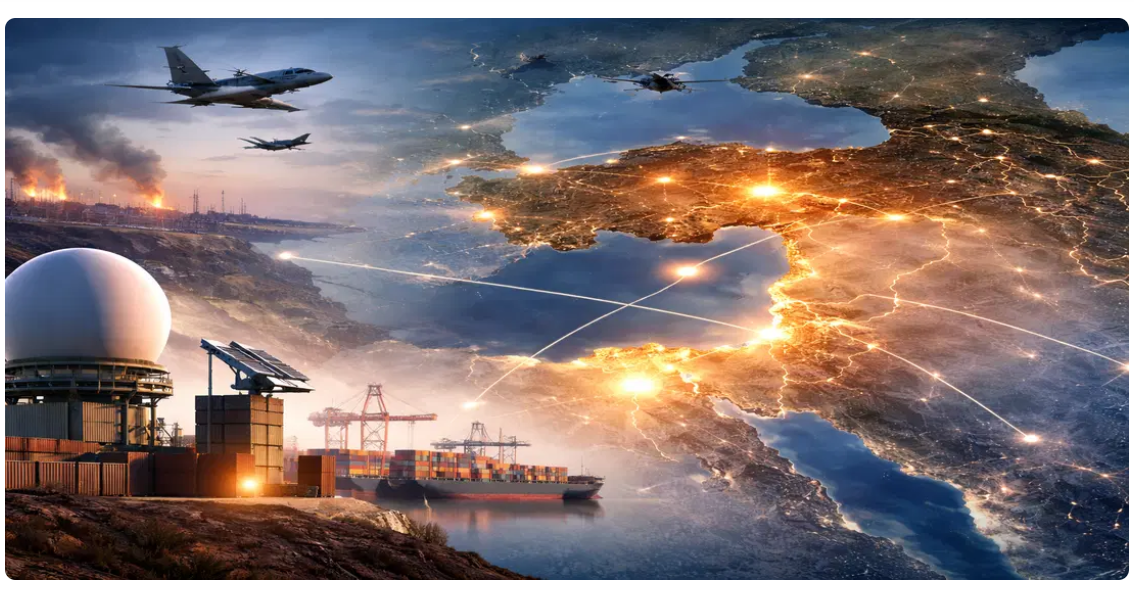 tr iran savasi
By Gönül Tol, Middle East Institute, excerpt
The ongoing Iran war is creating immediate economic pressure for Türkiye—particularly through rising energy costs—but policymakers in Ankara increasingly see the conflict as a potential catalyst for long-term strategic gains across energy, trade, defense, and finance.
Short-Term Pain: Energy Shock and Economic Pressure
The war’s most immediate impact on Türkiye has been through energy markets. Rising oil and natural gas prices have complicated stabilization efforts led by President Recep Tayyip Erdoğan ahead of the 2028 elections.
Türkiye remains heavily dependent on external energy sources, particularly imports from Russia, Iraq, and Iran. This structural reliance has made the economy vulnerable to supply disruptions and price volatility triggered by the conflict.
The partial closure of the Strait of Hormuz—a critical global oil transit chokepoint—has intensified these pressures, disrupting flows that typically account for roughly 20 million barrels per day.
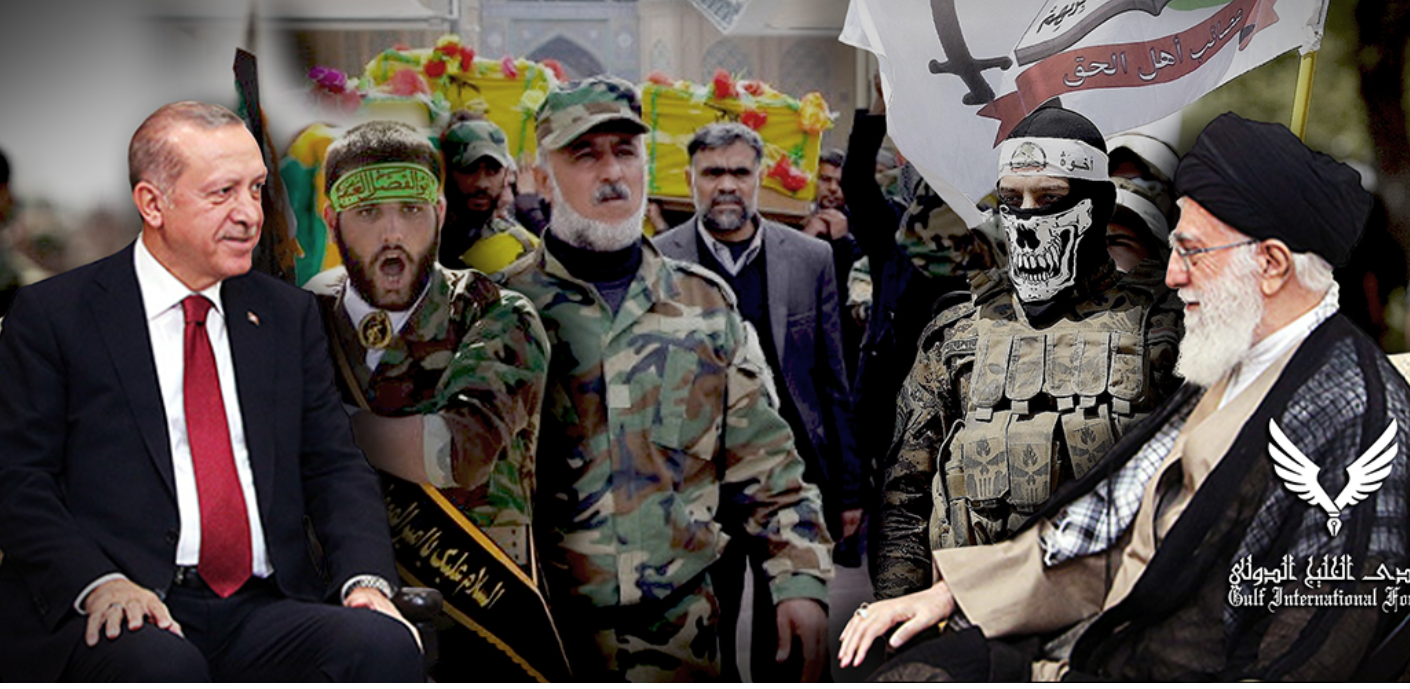
Iranian Missiles and Türkiye’s Strategic Pivot Reshape Eastern Mediterranean Balance
Energy Hub Ambitions Gain Momentum
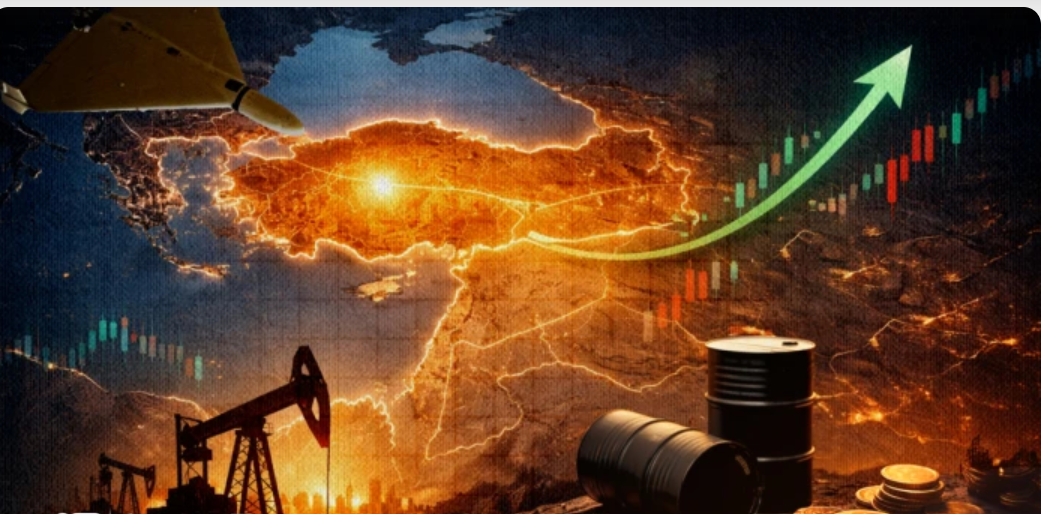
Despite these challenges, Ankara sees a strategic opening to advance its long-standing ambition of becoming a regional energy hub.
Türkiye’s geographic position—linking energy producers in the Middle East and Central Asia with European markets—has always been central to this vision. However, political tensions with regional actors have historically limited progress.
Now, shifting supply dynamics are creating new opportunities.
Regional producers such as Saudi Arabia and the UAE have already turned to alternative pipeline routes to bypass Hormuz disruptions:
- The Saudi East-West pipeline transports up to 7 million barrels per day to the Red Sea
- The UAE’s ADCOP pipeline moves 1.8 million barrels per day to Fujairah
Yet these alternatives remain insufficient to fully replace maritime flows, opening space for new transit routes.
Türkiye is positioning itself to fill that gap. Officials are seeking to expand flows through the Kirkuk-Ceyhan Oil Pipeline and explore new projects, including potential routes for Qatari natural gas to reach Europe via Türkiye.
At the same time, the TurkStream pipeline continues to play a growing role in European energy supply. Gas volumes through the pipeline rose 22% year-on-year in March, reflecting the broader reshuffling of energy routes.
Trade Corridors: Iraq Development Road Gains Relevance
Beyond energy, Ankara is also advancing its position as a regional logistics hub.
The Iraq Development Road project—linking Basra to Türkiye and onward to Europe—has gained renewed attention as an alternative to maritime routes vulnerable to conflict.
The corridor is designed to handle 20–25 million tons of cargo annually in its early phases and compete with initiatives such as the India-Middle East-Europe Economic Corridor, which bypasses Türkiye.
Previously constrained by financing challenges and regional opposition, the project is now being reframed as a strategic solution to supply chain disruptions caused by the war.
Can Defence Cooperation Unlock a New Phase in Türkiye–EU Relations?
Defense Industry: Expanding Influence in the Gulf
The conflict is also boosting Türkiye’s defense industry ambitions.
Ankara has spent years building strong defense ties with Gulf countries, centered on arms exports and joint production. These relationships are now gaining additional momentum as regional states reassess their security partnerships.
During a 2023 visit to Saudi Arabia, Türkiye secured its largest-ever defense deal for Bayraktar Akıncı drones, followed by cooperation agreements involving companies such as Baykar and Aselsan.
Defense cooperation with the UAE and Qatar has also expanded to include:
- Drone sales and joint production
- Naval and missile systems
- Broader industrial partnerships
Officials say the war is opening doors for smaller Turkish defense firms as well, particularly in areas such as ammunition and military supplies.
Istanbul’s Financial Ambitions Revisited
Another area where Ankara sees opportunity is finance.
For years, Türkiye has sought to position Istanbul as a regional financial hub. However, Gulf cities like Dubai have dominated this space.
The Iran war is now challenging that status quo.
Missile and drone attacks on Gulf infrastructure have raised concerns about the region’s stability as a financial safe haven. By contrast, Türkiye—shielded by NATO defenses—has avoided direct strikes.
Ankara is using this contrast to promote Istanbul as a safer alternative for:
- Financial services
- Fintech and Islamic finance
- Insurance and capital markets
Some companies operating in the Gulf are reportedly considering relocating to Istanbul’s emerging financial district, though concerns over legal predictability and rule of law remain a key obstacle.
Strategic Calculations: Balancing Risks and Opportunities
Despite these potential gains, Turkish policymakers remain cautious.
The prospect of a prolonged conflict—especially following moves by Donald Trump to impose a blockade on the Strait of Hormuz—raises concerns about:
- Sustained energy price shocks
- Further economic strain
- Regional instability
At the same time, Ankara is actively positioning itself to capitalize on long-term shifts in global supply chains and geopolitical alignments.
Outlook: Opportunity Amid Uncertainty
The Iran war presents Türkiye with a complex mix of risks and opportunities.
In the short term, rising energy costs and external shocks are weighing on the economy. But over the longer horizon, Ankara sees a chance to:
- Strengthen its role as an energy transit hub
- Expand defense exports and partnerships
- Position itself as a logistics and trade corridor
- Revive ambitions for Istanbul as a financial center
Whether these opportunities materialize will depend on both the duration of the conflict and Türkiye’s ability to navigate structural challenges at home and abroad.