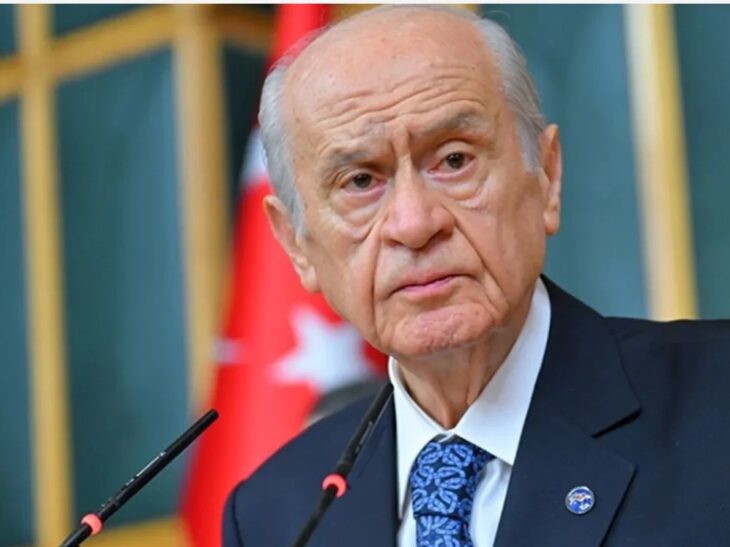
Tightening the Reins: Why MHP’s Radical Internal Purge Could Backfire
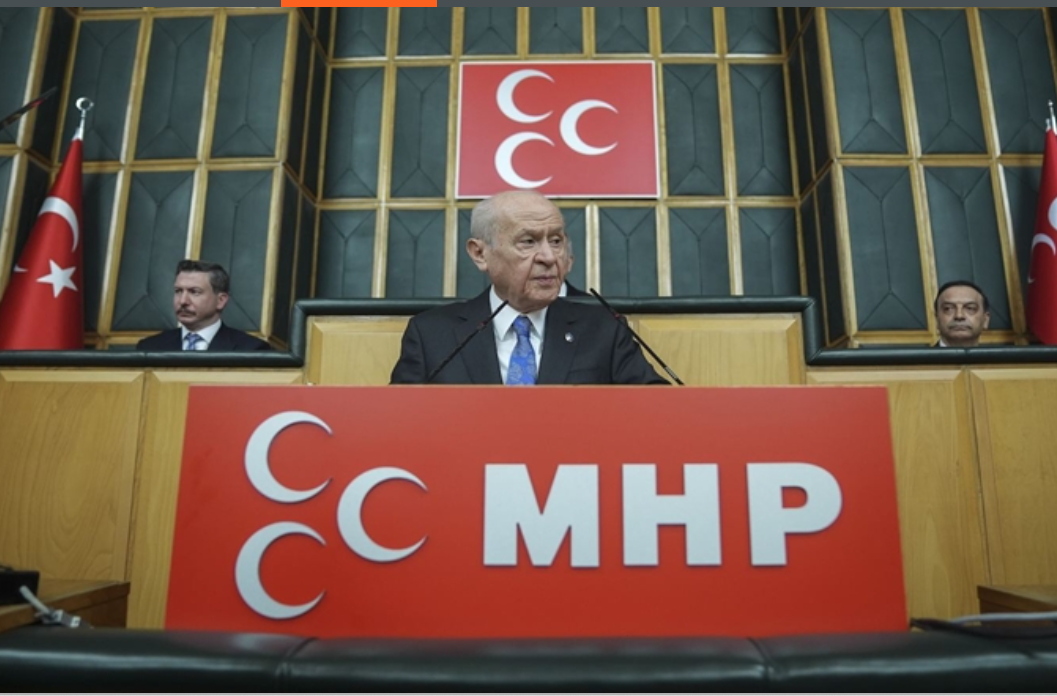 mhp bahceli
Analysis of the Nationalist Movement Party’s (MHP) recent decision to dissolve major provincial organizations and the potential negative impact of prioritizing loyalty over merit during a critical political period.
In a move that has sent shockwaves through Turkey’s political landscape, the Nationalist Movement Party (MHP) has taken the drastic step of dissolving its entire Istanbul provincial organization along with all 39 of its district branches. Announced by Deputy Chairman Semih Yalçın on April 6, 2026, the overhaul effectively wipes the slate clean in Turkey’s largest city, replacing established local leadership with appointed figures, including the new Istanbul head, Volkan Yılmaz. This sweeping “restructuring” comes on the heels of the high-profile resignation of senior party figure İzzet Ulvi Yönter and amid swirling rumors of internal dissent regarding the party’s strategic direction.
While the MHP leadership frames these dismissals as a routine exercise of party bylaws, the timing and scale suggest a much deeper systemic crisis. For a party that prides itself on the “Leader-Organization-Doctrine” hierarchy, such a broad purge is rarely about administrative efficiency; it is almost always about enforcing absolute discipline.
Resistance to the “New Process”
The primary catalyst for this internal earthquake appears to be the growing friction between the party’s headquarters and its provincial base regarding the so-called “New Peace Process.” MHP leader Devlet Bahçeli’s recent shift—characterized by unprecedented calls for dialogue and a “terrorism-free Turkey” roadmap—has placed the party’s traditionalist, hardline nationalist base in a difficult position.
In many provinces, local chairmen have reportedly struggled to reconcile Bahçeli’s new olive-branch rhetoric with the decades-old nationalist doctrines they were sworn to uphold. By dissolving these organizations, the General Headquarters is sending a clear message: there is no room for hesitation. This is a “loyalty check” designed to ensure that the party speaks with a single, unified voice as it prepares for a potential new constitutional era or a strategic shift in the Kurdish issue.
Mansur Yavaş Investigation: Ankara Mayor Rejects Allegations
The Polls and the “Loyalty vs. Merit” Trap
The second factor driving these purges is the MHP’s precarious performance in recent political polling. As 2026 progresses, data suggests the party is struggling to maintain its core voter block, facing pressure from rival nationalist movements like the Victory Party (Zafer Partisi) and the İYİ Party.
However, the strategy of dissolving organizations to fix poor polling often leads to a self-defeating cycle. When an organization is shuttered and replaced, the criteria for the new appointments shift almost exclusively from merit (liyakat) to loyalty (sadakat).
-
Loss of Local Talent: Experienced local leaders who understand the nuances of their districts are often replaced by “yes-men” whose primary qualification is their unwavering adherence to the headquarters’ latest memo.
-
Alienation of the Base: Forced restructuring often alienates the rank-and-file members who were loyal to the dismissed chairmen, leading to “silent protests” at the ballot box or outright defections to rival parties.
-
Reduced Competitiveness: A party run by appointees rather than locally earned leaders often loses its “ear to the ground,” making it less capable of responding to the actual grievances of the electorate.
The Question for the Future
The MHP is currently attempting a high-wire act: fundamentally altering its political identity while simultaneously tightening its internal grip. History in Turkish politics shows that when parties prioritize “cleansing the ranks” over addressing the underlying reasons for voter dissatisfaction, the result is rarely a stronger party, but rather a more brittle one.
As the MHP replaces its veterans with loyalists to safeguard its new strategic path, the critical question remains: Can a party win the hearts of the national electorate if it is increasingly losing the trust of its own local organizations? By choosing loyalty over merit, the MHP may be securing its internal discipline at the cost of its external viability. If the purge continues to spread to other provinces, the “reorganization” might not be a sign of a new beginning, but rather a symptom of a deepening disconnect that the polls will eventually reflect.
Related articles

Presidency Denies Claims Devlet Bahçeli Was Intubated: “No Change in His Health Status”
Erdoğan to Meet Bahçeli in Ankara
UPDATE (Ocalan comments added) Bahçeli Rules Out Early Elections, Warns Against U.S. Strike on Iran