From Volatility to Sovereignty: Turkey’s Quiet Rise as Europe’s Battery Superpower
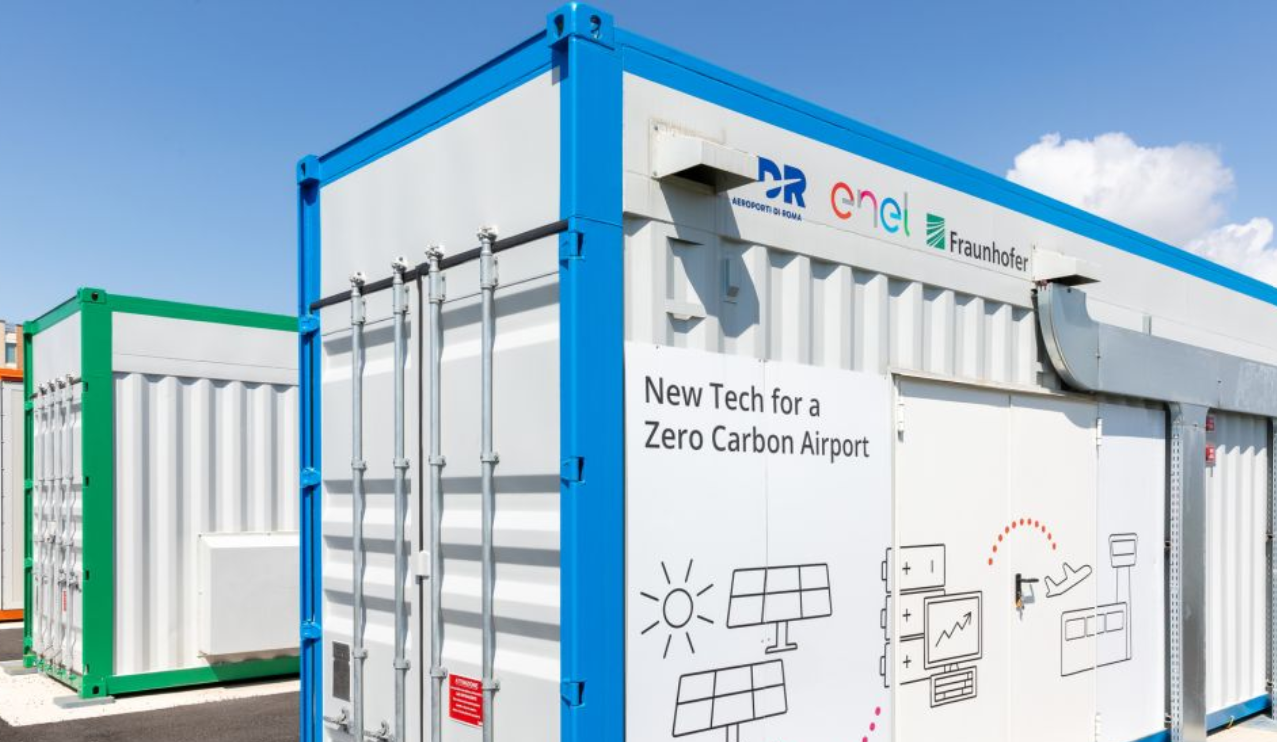 battery storage
Turkey is currently orchestrating what global observers are calling a “silent revolution” in energy infrastructure. According to the Ember Electricity Review 2026, Turkey has quietly built the most ambitious battery storage pipeline in Europe, positioning itself far ahead of the European Union’s traditional frontrunners. With 33GW of capacity already approved—representing 83% of its current wind and solar capacity—Turkey is moving beyond a simple clean-energy transition; it is fundamentally rewriting the rules of national energy security.
Turning Intermittency into a Strategic Asset
For decades, the Achilles’ heel of Turkey’s energy policy was the inherent unreliability of renewable sources. When the sun set or the wind died down, the country was forced to ramp up expensive, imported natural gas to fill the gap. This “intermittency” was not just a technical hurdle; it was a primary driver of the national current account deficit and a source of geopolitical vulnerability.
By implementing a rigorous regulatory framework that effectively mandates storage for new renewable projects, Turkey has turned battery capacity into a “fast-track” mechanism for grid access. This policy ensures that excess solar power generated at noon is no longer wasted or a strain on the grid; instead, it is stored to replace imported gas during peak evening hours. In short, Turkey is successfully transforming weather-dependent energy into “sovereign” baseload power.
Ukraine War Threatens Türkiye’s Energy Lifeline as Another Tanker Hit in Black Sea
Outpacing the European Giants
The scale of Turkey’s ambition is reflected in the numbers. While Germany and Italy—long considered Europe’s renewable leaders—are currently managing pipelines of approximately 12–13GW, Turkey’s approved 33GW pipeline dwarfs the bloc’s frontrunners. Only Romania shows a higher ratio of storage to renewable capacity within the EU.
While the majority of these Turkish projects currently utilize one-hour battery systems (providing roughly 37GWh of energy), the infrastructure creates a massive investment signal. It establishes an ecosystem that will eventually support longer-duration storage, fostering a domestic industry that could mirror the rapid technological localization seen in Turkey’s defense sector.
A Masterclass in Grid Resilience
This is more than a “green” story; it is a story of infrastructure resilience. By making battery storage a mechanical necessity for grid expansion, Turkey has offloaded the cost of grid stabilization onto private investment. This strategic choice ensures that the national grid remains stable even as the share of renewables grows, preventing the “curtailment” (wasting) of energy that plagues many other developing grids.
For a country historically exposed to the volatility of global fossil fuel shocks, this pipeline acts as a fiscal and physical shield. Storing domestic renewable power allows Turkey to smooth out price volatility and significantly lower its marginal dependence on imported natural gas.
Global Bankruptcies Slow, but Türkiye Diverges: A Hidden Crisis Deepens
The Strategic Conclusion
Turkey’s battery pipeline is a geopolitical masterstroke. It signals to international markets that the country is not merely a passive consumer of technology but an active architect of the next-generation grid. By decoupling its economic growth from the fluctuating prices of imported hydrocarbons, Turkey is reinforcing its energy independence.
If these approved 33GW are deployed at the projected pace, Turkey will not only secure its own energy future but could also become a vital regional partner for Europe, offering grid balancing and storage services that make it an indispensable pillar of Mediterranean and Continental energy security. What started as a regulatory requirement has become a blueprint for transforming intermittency into lasting national sovereignty.