Ukraine War Threatens Türkiye’s Energy Lifeline as Another Tanker Hit in Black Sea
 tanker saldırısı
Drone attacks linked to the Ukraine war are increasingly targeting energy infrastructure and civilian shipping in the Black Sea, raising alarms for Türkiye’s energy security. With heavy dependence on Russian oil and refined products, Ankara faces growing economic and geopolitical risks as the conflict spills into critical trade routes.
The Ukraine war is entering a new and more dangerous phase, as attacks extend beyond military targets to include energy infrastructure and civilian shipping routes in the Black Sea—an area vital to Türkiye’s energy supply.
Turkish Captain Injured in Tanker Strike
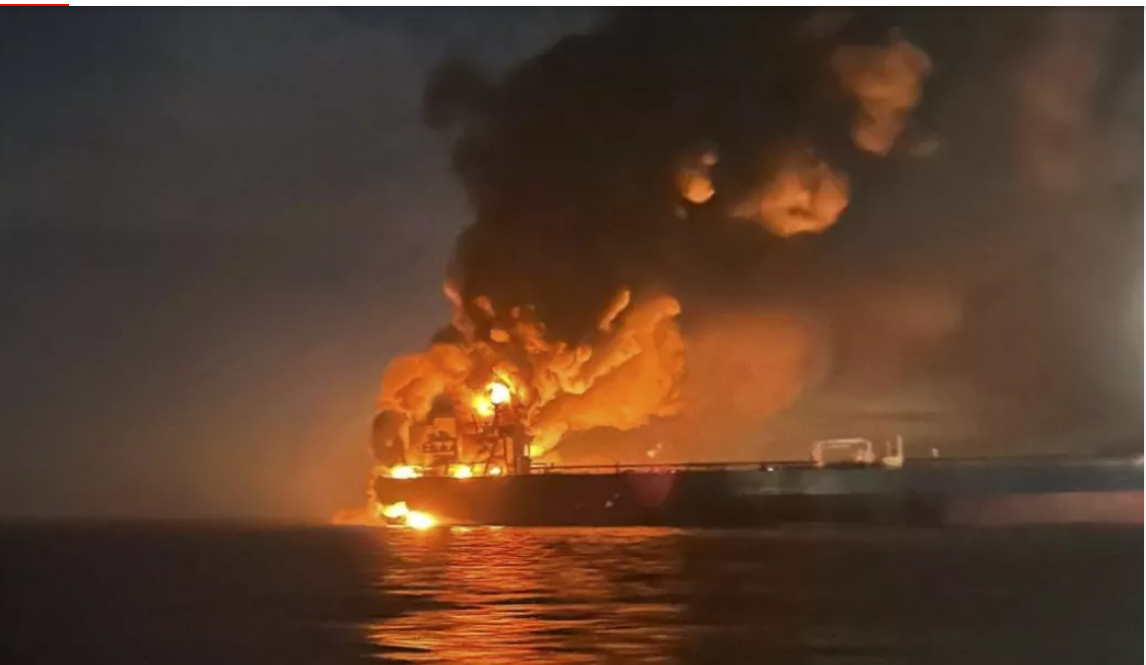
According to Russian authorities, a Liberian-flagged oil tanker was struck by drones in Russian waters, injuring its captain—a Turkish citizen—who was subsequently hospitalized.
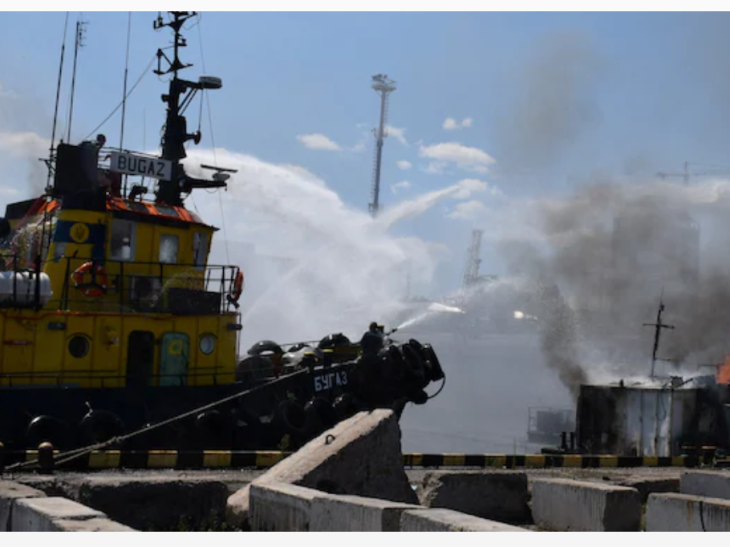
The incident was part of a broader wave of attacks across Russia’s Krasnodar region. In the key port city of Novorossiysk, drone debris struck a civilian vessel, triggering a fire that was quickly contained. Additional casualties and damage were reported in Tuapse and surrounding areas.
The targeting of civilian maritime assets signals a dangerous escalation, with implications far beyond the immediate conflict zone.
Russia-Türkiye Tension: Moscow Labels Two Turkish Firms as Military Targets
Energy Infrastructure Under Fire
One of the most alarming aspects of the attacks is the apparent focus on energy facilities. Satellite imagery showed a massive plume of smoke rising from the Tuapse oil refinery, a major processing facility with an annual capacity of 12 million metric tons.
The refinery, linked to Russian oil giant Rosneft, is believed to have been a primary target. Analysts interpret such strikes as part of Ukraine’s broader strategy to disrupt Russia’s energy revenues.
However, the indirect consequences of these disruptions are being felt across the region, particularly in energy-dependent economies like Türkiye.
Black Sea Trade Routes at Risk
The Black Sea serves as a crucial corridor for global energy and grain flows. As hostilities extend into maritime zones, the safety of commercial shipping is increasingly under threat.
The involvement—or targeting—of Turkish-linked vessels marks a critical turning point, raising concerns about the erosion of international maritime norms and the potential for wider escalation.
Türkiye’s Energy Dependence on Russia
Türkiye’s vulnerability stems in part from its deep reliance on Russian energy imports.
Recent data indicates:
- Russia accounts for approximately 45%–50% of Türkiye’s crude oil and petroleum product imports
- Around 80% of diesel imports originate from Russia
- Black Sea routes offer the most cost-efficient logistics for these flows
This structure means that any disruption in the region directly impacts Türkiye’s energy security and economic stability.
Strategic Implications for the Straits
The escalation also brings renewed focus to Türkiye’s control over the Bosporus and Dardanelles under the Montreux Convention.
Ensuring the safety of maritime traffic is not only a matter of national sovereignty but also an international obligation. Increased attacks on tankers could push Ankara toward enhanced naval patrols or escort systems in the Black Sea.
Such measures, however, risk further militarizing an already tense region.
Diplomatic Balancing Act Under Pressure
Türkiye has sought to maintain a delicate balance between Ukraine and Russia throughout the conflict. However, incidents involving Turkish vessels complicate this approach.
If Ukrainian involvement in such attacks is confirmed, it could strain Ankara-Kyiv relations. At the same time, Türkiye’s reliance on Russian energy limits its flexibility in dealing with Moscow.
Global Economic Implications
Disruptions to Black Sea shipping routes could have far-reaching consequences for global markets. Energy supply shocks may drive up prices, while interruptions to grain exports could exacerbate food security concerns.
In an already fragile global economy, these risks could fuel renewed inflationary pressures.
Conclusion: A Critical Test for Türkiye
The expansion of the Ukraine war into maritime and energy domains represents a critical test for Türkiye’s economic resilience and geopolitical strategy.
Ankara may need to:
- Strengthen maritime security measures
- Diversify energy supply sources
- Intensify diplomatic engagement with all parties
Failure to act decisively could see the Black Sea shift from a trade corridor into a sustained conflict zone—posing significant risks not only for Türkiye, but for the global economy as well.