Amnesty International: Rights Crackdown Deepens in Türkiye as Impunity Grows in 2025
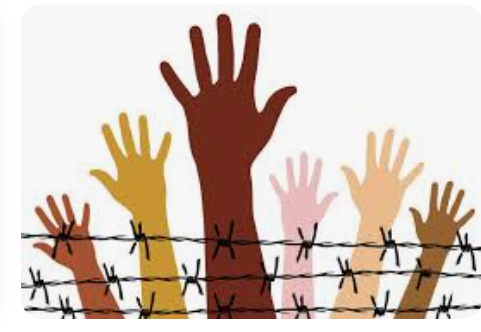 insan hakları2
Human rights conditions in Türkiye deteriorated further in 2025, with increased pressure on dissent, erosion of judicial independence, and a widening culture of impunity, according to a new report by Amnesty International. The findings point to intensifying prosecutions of critics, restrictions on protests, and growing concerns over rule of law and political freedoms.
Worsening Climate for Rights and Freedoms
A report by Amnesty International highlights a marked decline in fundamental rights across Türkiye in 2025.
Authorities expanded investigations, prosecutions, and convictions targeting individuals and groups exercising freedom of expression and association. Those affected included the Istanbul Bar Association, staff from satirical magazine LeMan, singer Mabel Matiz, activist Enes Hocaoğulları, and civil society organizations such as the Migration Monitoring Association and the Young LGBTI+ Association.
Restrictions on Protest and Assembly
The report states that the right to peaceful assembly was increasingly curtailed. Police intervened in demonstrations marking May Day, International Women’s Day, and Pride marches.
Law enforcement used so-called less-lethal weapons, resulting in numerous injuries, raising concerns about proportionality and accountability.
Judicial Concerns and ECHR Rulings Ignored
Amnesty found that violations of the right to a fair trial intensified, with human rights defenders facing what it described as baseless investigations and prosecutions.
Authorities were also criticized for failing to implement binding rulings from Türkiye’s Constitutional Court and the European Court of Human Rights.
The continued imprisonment of Selahattin Demirtaş and Osman Kavala was cited as emblematic of these concerns.
Pressure on Political Opposition
The report points to an expanding crackdown on political opposition, particularly targeting the Republican People’s Party.
Investigations and prosecutions have focused on mayors and party officials, including Istanbul Mayor Ekrem İmamoğlu.
İmamoğlu, widely viewed as a key political rival to President Recep Tayyip Erdoğan, was detained in March and later arrested on corruption charges. Critics and international observers have described the case as politically motivated.
Violence Against Women and LGBTI+ Rights
Violence against women remained a serious issue, with at least 294 women killed and 297 others found dead under suspicious circumstances in 2025.
Amnesty also highlighted growing discrimination against LGBTI+ individuals, describing the year as one of “unprecedented assault” on their rights. Proposed legislative measures aimed at restricting LGBTI+ freedoms further intensified concerns, although they were not formally submitted to parliament.
Refugees and Migrants at Risk
The report warns that refugees and migrants in Türkiye face risks of unlawful deportation and arbitrary denial of international protection.
It also referenced cases involving the disappearance of individuals held in deportation centers, raising additional human rights concerns.
Impunity and Lack of Accountability
Amnesty underscored a deepening culture of impunity, with allegations of torture and ill-treatment by state officials not being effectively investigated.
This was particularly evident during mass protests in March and in the aftermath of the 2023 earthquakes in southeastern Türkiye.
Türkiye’s Standing in Global Indices
Recent international rankings reflect the broader decline in freedoms:
- Freedom House (2026): 32/100 – Not Free
- Rule of Law Index (2025): 118th out of 143 countries
- Press Freedom Index (2025): 159th out of 180 countries
- Human Freedom Index (2025): 144th out of 165 countries
- Internet Freedom (2025): 31/100 – Not Free
Key Areas of Concern
The report identifies several critical areas of deterioration:
- Judicial independence and due process
- Political rights and democratic governance
- Freedom of expression and media
- Rule of law and backlog at the ECHR
- Social rights and protest freedoms
Economic and Social Implications
Institutional weaknesses, corruption concerns, and fragile monetary stability continue to weigh on Türkiye’s economic outlook.
While social rights indicators suggest partial fulfillment relative to available resources, the report concludes that Türkiye is falling short of its full obligations under international human rights standards.
Source: Amnesty International, PATurkey newsdesk
Related articles

ECHR Condemns Turkey’s Failure to Release Activist Kavala, relations with EU on the brink
Yavuz Baydar: Peace Commission Report Is a Blueprint for “Neutralizing Opposition”
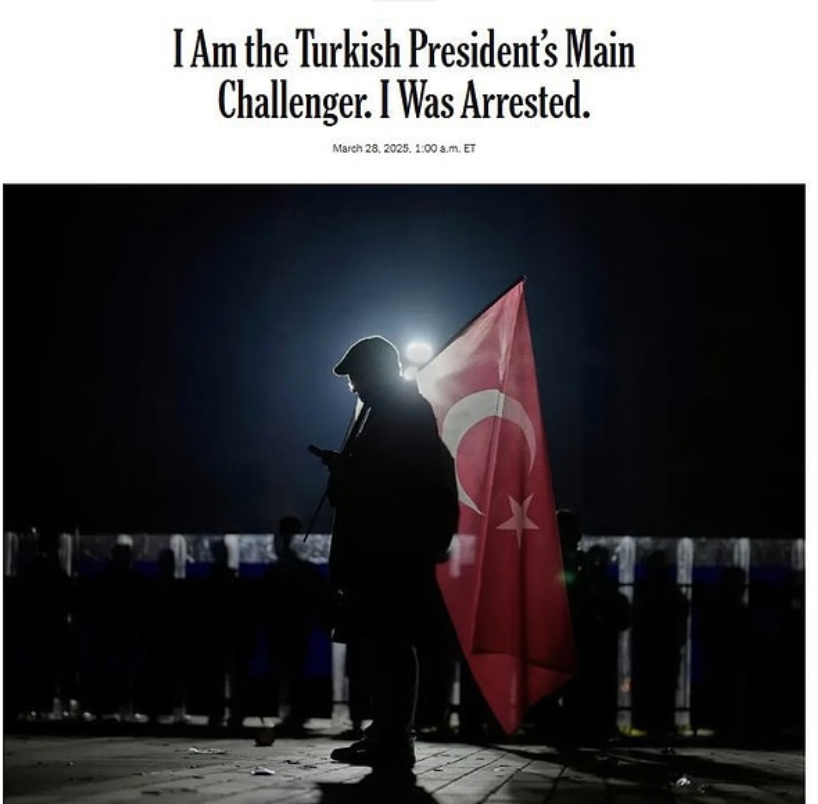
Ekrem İmamoğlu’s letter to NY Times: “Erdogan Regime Trying to Eliminate Me Through Law”