Bennett Warns Israel Could Confront Türkiye After Iran War
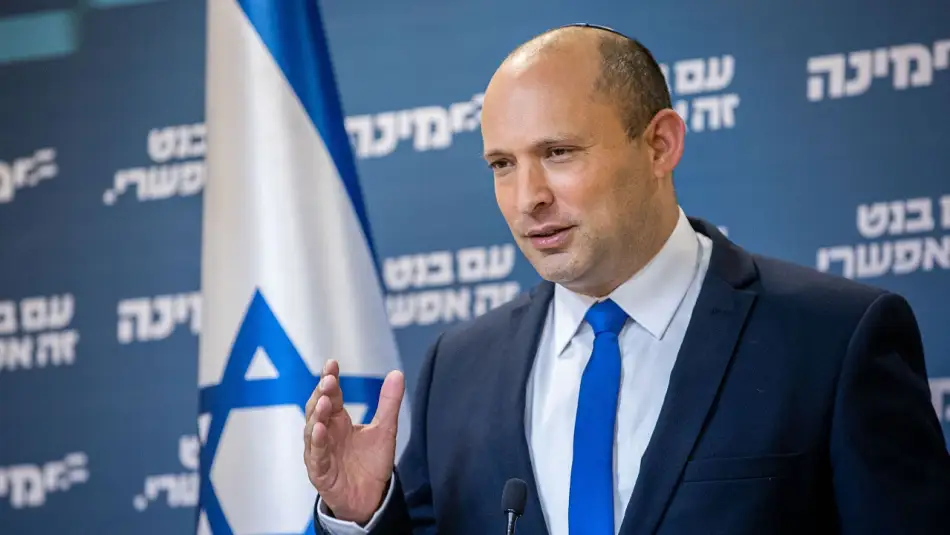 Naftali-Bennett-on-Turkey-threat
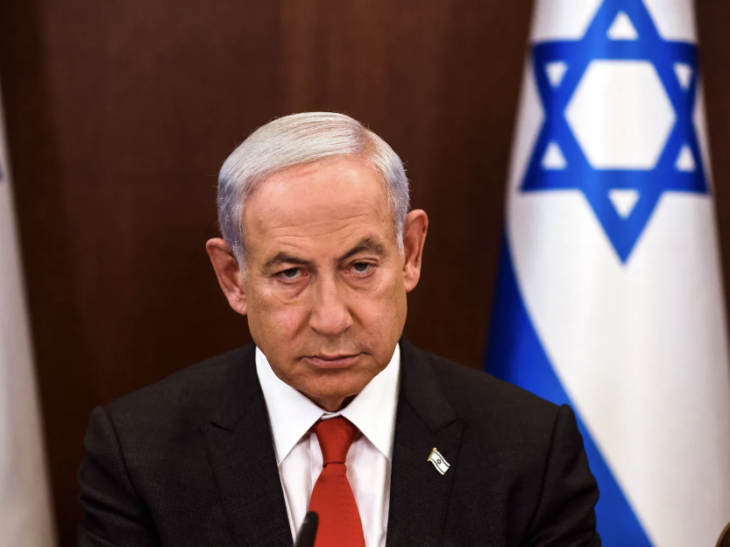
Former Israeli Prime Minister Naftali Bennett has warned that Israel may eventually face a confrontation with Türkiye if Ankara attempts to form what he described as a new Islamist political alliance in the Middle East. His remarks come amid rising regional tensions following the war with Iran and growing Israeli concerns about Türkiye’s expanding military capabilities and diplomatic stance on Gaza.
Bennett: Israel Will Not “Sit Idle”
Former Israeli Prime Minister Naftali Bennett said Israel could consider confronting Türkiye after the conflict with Iran if Ankara pursues a regional alignment that Israel perceives as hostile.
Speaking about the evolving geopolitical landscape in the Middle East, Bennett argued that Israel would view any alliance centered on Islamist political forces as a direct security threat.
“We will not sit idle,” Bennett said, warning that Israel would respond if it believed it was being strategically surrounded by hostile actors.
According to Bennett, the future relationship between Israel and Türkiye will depend largely on Ankara’s strategic choices in the region.
“Ultimately, the choice is up to Türkiye,” he said. “If they seek peace, we definitely want peace. But if they try to surround us with terror, we will not sit idle.”
Allegations of a New Regional Alliance
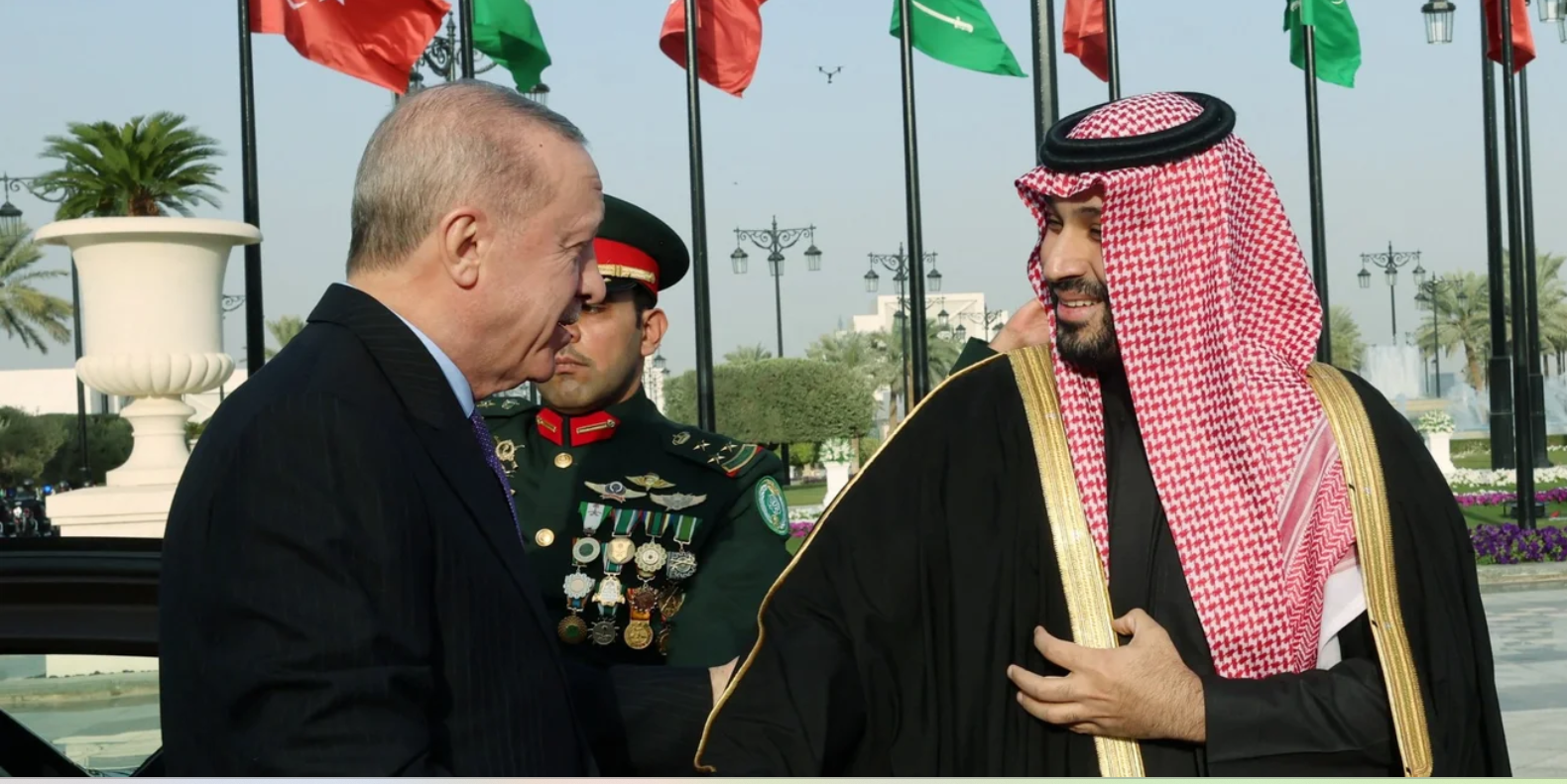
Bennett also raised concerns about what he described as a potential political and ideological alignment led by Turkish President Recep Tayyip Erdoğan.
He warned about the possibility of what he called a “radical Sunni axis” involving Türkiye, regional Islamist movements, and actors aligned with groups such as Hamas.
“We need to ensure that Erdoğan doesn’t create a new alliance of radical Sunni Islam — an axis between himself, Julani, Qatar and Hamas,” Bennett said.
Israel has historically framed its main regional security challenge as what it calls “radical Shiite Islam,” referring to Iran and groups aligned with Tehran.
Bennett suggested that if Türkiye were to lead a competing Sunni bloc with a strong ideological dimension, Israel could perceive it as a comparable strategic challenge.
Israeli Concerns Over Türkiye’s Rising Capabilities
Bennett’s comments reflect broader shifts in Israeli strategic thinking about Türkiye.
A recent survey conducted by the Jewish People Policy Institute (JPPI) indicates that Israelis increasingly view Türkiye as one of the country’s main security concerns.
According to the poll, Türkiye is now perceived as Israel’s second-largest threat after Iran.
Analysts say the shift is driven less by immediate military tensions and more by Türkiye’s rapidly expanding defense capabilities.
Respondents pointed particularly to advances in:
-
unmanned aerial vehicles (UAVs and UCAVs)
-
domestically produced missile systems
-
naval modernization
These developments have elevated Türkiye’s image from a regional actor to what some respondents described as a “modern and powerful military rival.”
Expanding Regional Military Presence
Israel’s perception of Türkiye has also been shaped by Ankara’s expanding military and security footprint beyond its borders.
Turkish operations in regions ranging from Syria to parts of Africa were cited by analysts reviewing the JPPI survey as evidence of a broader strategic reach.
This expanding geographic presence has contributed to the perception among some Israeli observers that Türkiye is becoming a more assertive regional power.
In the JPPI ranking, Türkiye was placed ahead of countries such as Lebanon and Qatar in perceived threat levels.
Gaza War Has Intensified Perceptions
Israel’s ongoing war in Gaza has further sharpened tensions between the two countries.
The survey suggests that Türkiye’s strong diplomatic criticism of Israel’s military campaign — as well as political debates within Türkiye about stronger measures against Israel — have altered Israeli public perceptions.
According to analysts, Israeli public opinion has gradually shifted from viewing Ankara primarily as a political critic to increasingly framing it as a strategic rival.
This shift has been reinforced by Israel’s growing sense of international isolation during the Gaza conflict, with Türkiye emerging as one of the most vocal critics of Israeli policy.
Israeli Lobbying Against Defense Cooperation
The evolving perception of Türkiye as a potential strategic rival has also influenced debates in Washington.
Reports indicate that pro-Israel and Jewish lobbying groups are likely to oppose efforts to lift CAATSA sanctions on Türkiye, citing concerns about Türkiye’s military capabilities and increasingly tense relations with Israel.
Israeli officials have reportedly expressed concern that allowing Türkiye to regain access to advanced defense programs — including the F-35 fighter jet program — could erode Israel’s military advantage in the region.
According to several reports, Israeli officials have also urged U.S. policymakers to halt potential defense deals with Türkiye.
Meanwhile, members of the U.S. Congress influenced by pro-Israel and Greek lobbying groups have introduced amendments to the 2026 National Defense Authorization Act (NDAA) aimed at further restricting military cooperation with Ankara.
Sanctions Debate Continues in Washington
Despite this opposition, some analysts believe the U.S. administration could still find a path to easing sanctions if broader geopolitical goals take precedence.
Resolving the dispute over Türkiye’s S-400 missile system remains a key issue in U.S.-Türkiye relations.
Turkish Foreign Minister Hakan Fidan said in March 2026 that discussions with Washington were underway to resolve the sanctions issue before the upcoming U.S. midterm elections.
However, Fidan also acknowledged that Israeli opposition remains a significant obstacle.
A Relationship at a Crossroads
Taken together, Bennett’s remarks and the findings of the JPPI survey highlight the increasingly complex relationship between Israel and Türkiye.
While the two countries are not currently in direct confrontation, analysts say mutual perceptions are shifting as regional dynamics evolve.
The trajectory of relations will likely depend on several factors, including:
-
the outcome of the Iran conflict
-
Türkiye’s regional alliances and military posture
-
the future of U.S.-Türkiye defense relations
For now, both governments appear to be watching each other closely as the Middle East enters a new and uncertain strategic phase.
PA Turkey intends to inform Turkey watchers with diverse views and opinions. Articles in our website may not necessarily represent the view of our editorial board or count as endorsement.
Follow our English YouTube channel (REAL TURKEY):
https://www.youtube.com/channel/UCKpFJB4GFiNkhmpVZQ_d9Rg
Twitter: @AtillaEng
Facebook: Real Turkey Channel: https://www.facebook.com/realturkeychannel/