What Does the Second Missile Strike on Turkey Mean?
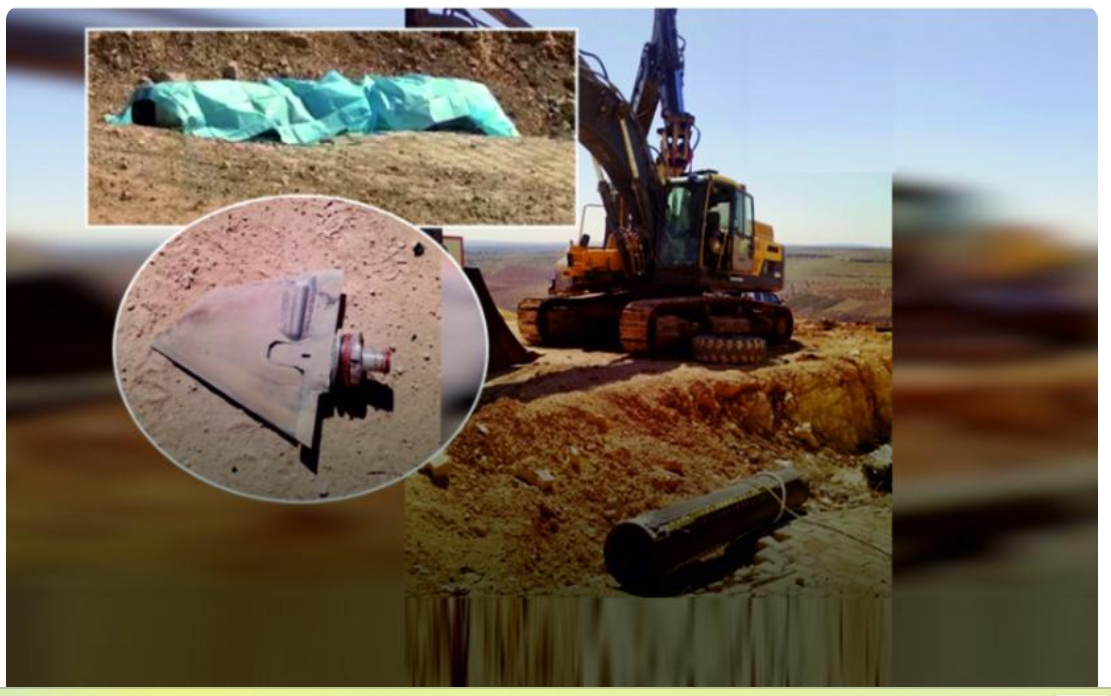 iran fuzesi
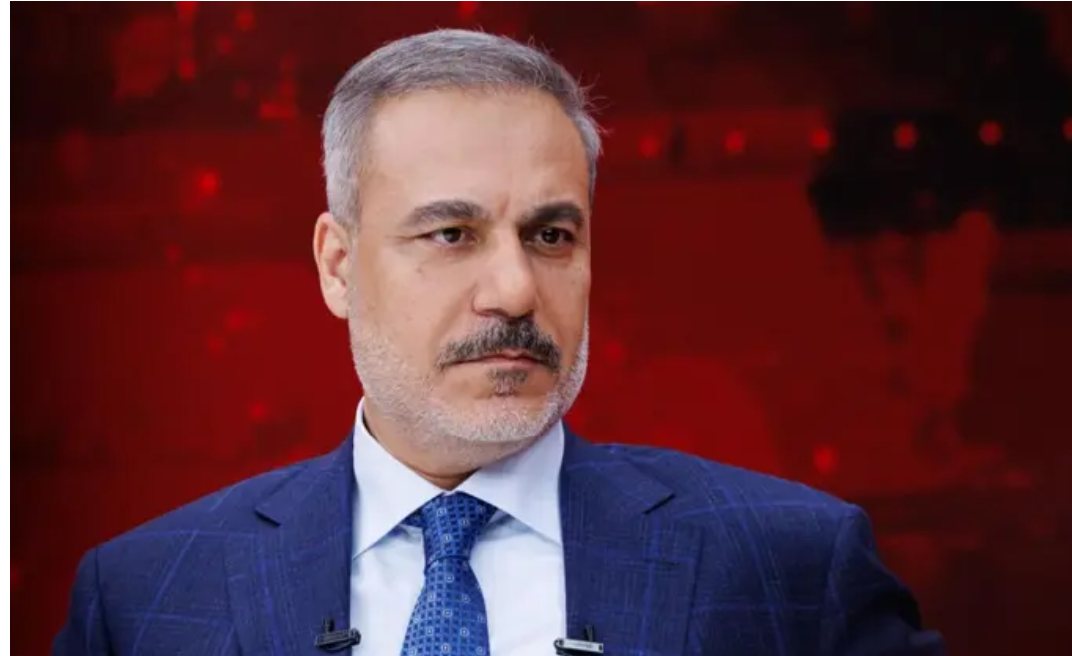
By pro-Erdogan columnist Mr Abdulkadir Selvi, Hurriyet Daily
Following the death of Ayatollah Ali Khamenei, Iran has essentially become “atomized.” There is no longer a single, coherent chain of command; instead, various power centers within the state are implementing their own agendas. This has created a grave danger, as we are witnessing power factions acting independently of the central government. In such a volatile war environment, the most terrifying scenario is precisely this: a lack of clarity on who is holding the reins of power. Unfortunately, this is the reality currently unfolding in Iran. This is precisely why Turkey continues to take stringent precautions against every conceivable threat.
Author Abdulkadir Selvi
I wanted to share this assessment following the second instance of a missile being fired from Iran into Turkey. While the projectile was successfully destroyed by NATO capabilities in mid-air, its debris fell onto open land in the Dörtyol district of Hatay. The previous missile, intercepted earlier, followed a similar trajectory.
The Role of Kürecik and the “Targeting” Question
It is important to note that this second missile was also detected by the Kürecik Radar Base. The missile was launched from a point 300 kilometers east of Tehran. The radar systems at Kürecik detected the launch immediately and relayed the data to the NATO Command and Control System. These operations occur within seconds. The missile was neutralized before it could enter Turkish airspace.
One must ask: What is the agenda of those protesting for the closure of the Kürecik base? Furthermore, the target of the first missile was not the Greek Cypriot administration or another third party; it was Turkey. When the first missile was fired, Turkey issued a clear warning: “Do not let this happen again.” It appears that message did not reach its destination.
A Power Struggle in Tehran?
Despite the apology from Iranian President Masoud Pezeshkian and his assurances that “we will not attack our neighbors,” and despite Foreign Minister Abbas Araghchi admitting he had no prior knowledge of the launch, the question remains: What is the meaning of a second strike?
Is there an internal power struggle in Iran? Are the Revolutionary Guards trying to demonstrate that they do not take orders from President Pezeshkian? Or has Mossad managed to infiltrate not just Iranian intelligence, but the very decision-making organs of the state? We have experienced such scenarios before during the FETÖ era in Turkey. The downing of the Russian jet and the assassination of the Russian Ambassador to Ankara were FETÖ operations—traps set to drag Turkey into a war with Russia. If Iran has groups within its own borders that it cannot control, it must exercise extreme caution. Firing missiles at Turkey and Azerbaijan—Iran’s most reliable neighbors—only serves to harm Iran itself. This aggression primarily benefits Israel.
Will Mujtaba Khamenei Provide the Path to Peace?
The uncertainty following the death of Ali Khamenei has been resolved, with Mujtaba Khamenei selected as the new Supreme Leader. Was this a surprise? No. But was Donald Trump pleased with this selection? Certainly not. He issued threats, stating, “If they do not get our approval, their term will not be long.“
By selecting Mujtaba Khamenei, Iran has challenged both Israel and the United States. Will this confrontation deepen the war, or has a hope for peace emerged? That is the crux of the matter.
The Leadership Exam
Mujtaba Khamenei faces a critical examination. This test will either define him as a true leader or reduce him to a marginal figure. Contrary to the common narratives and allegations, I argue that if a deal is to be struck between the U.S. and Iran, and if peace is to be brought to Iran, it will be Mujtaba Khamenei who makes it happen.
The selection of Mujtaba Khamenei has eliminated the ambiguity that followed his father’s death. Iran now has a definitive leader. When the Iran-Iraq war began, Ayatollah Khomeini famously said, “We will fight for 20 years if necessary.” Yet, when he saw the war was going poorly, he declared, “I am drinking poison,” and brought it to an end. Khomeini ended the war and convinced the Iranian people to accept the terms of the agreement. Mujtaba Khamenei could offer the Iranian people a dignified exit, thereby consolidating his own leadership. If a deal is to be reached with the U.S., only the Supreme Leader can sell that narrative to the Iranian public.
The Iran War Stress Test: What Ankara Demands from the Trump Administration
Signals from Trump
The U.S. plans regarding Iran have also clearly faltered. Washington thought that by eliminating the elder Khamenei, it would paralyze Iran. However, the state did not collapse. The system is functioning, and Iran continues to fight.
Donald Trump’s statement, “We will decide when the war ends,” is being interpreted as a sign that he is searching for a way out. It is rumored that Trump does not intend to let the war drag on for months or years, but rather plans to end it within a few weeks. He had previously stated the war could last 4-5 weeks, and we are halfway through that period. The economic cost of the war is rising, with oil prices climbing above $110.
Furthermore, Israel’s plan to incite Kurdish groups to turn Iran into another Syria has failed to gain traction on the ground. It is said that the U.S. does not find the capabilities of these Kurdish groups sufficient and has effectively vetoed this plan. War fatigue is beginning to set in on both the American and Iranian sides. It has come down to implementing back-channel diplomacy between Mujtaba Khamenei and Trump. But who will act as the mediator? I am optimistic about Mujtaba Khamenei—provided that Israel does not assassinate him to extinguish these hopes for peace.
PA Turkey intends to inform Turkey watchers with diverse views and opinions. Articles in our website may not necessarily represent the view of our editorial board or count as endorsement.
Follow our English YouTube channel (REAL TURKEY):
https://www.youtube.com/channel/UCKpFJB4GFiNkhmpVZQ_d9Rg
Twitter: @AtillaEng
Facebook: Real Turkey Channel: https://www.facebook.com/realturkeychannel/