The Iran War Stress Test: What Ankara Demands from the Trump Administration
 tr iran us
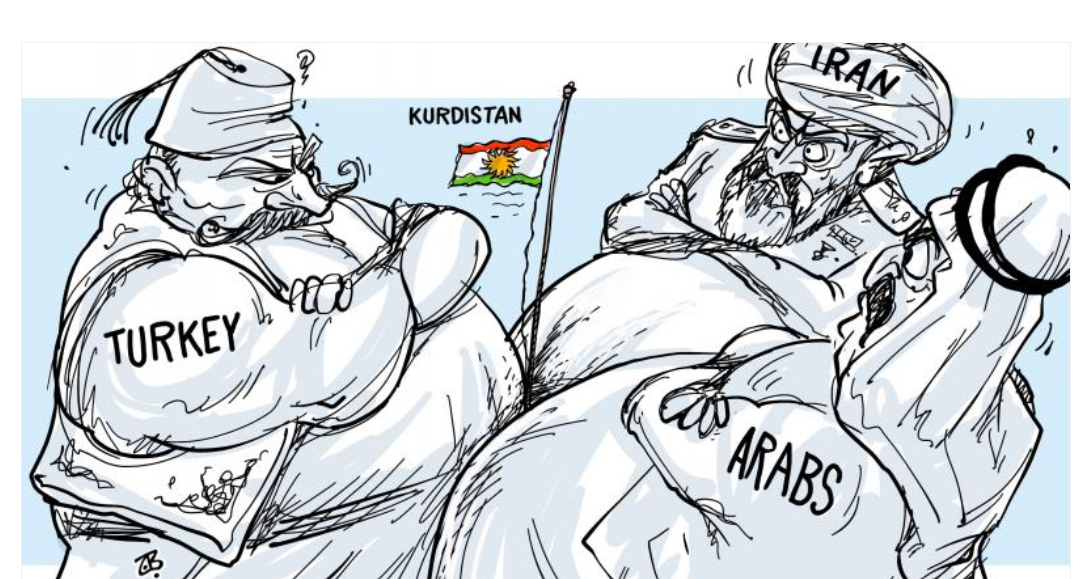
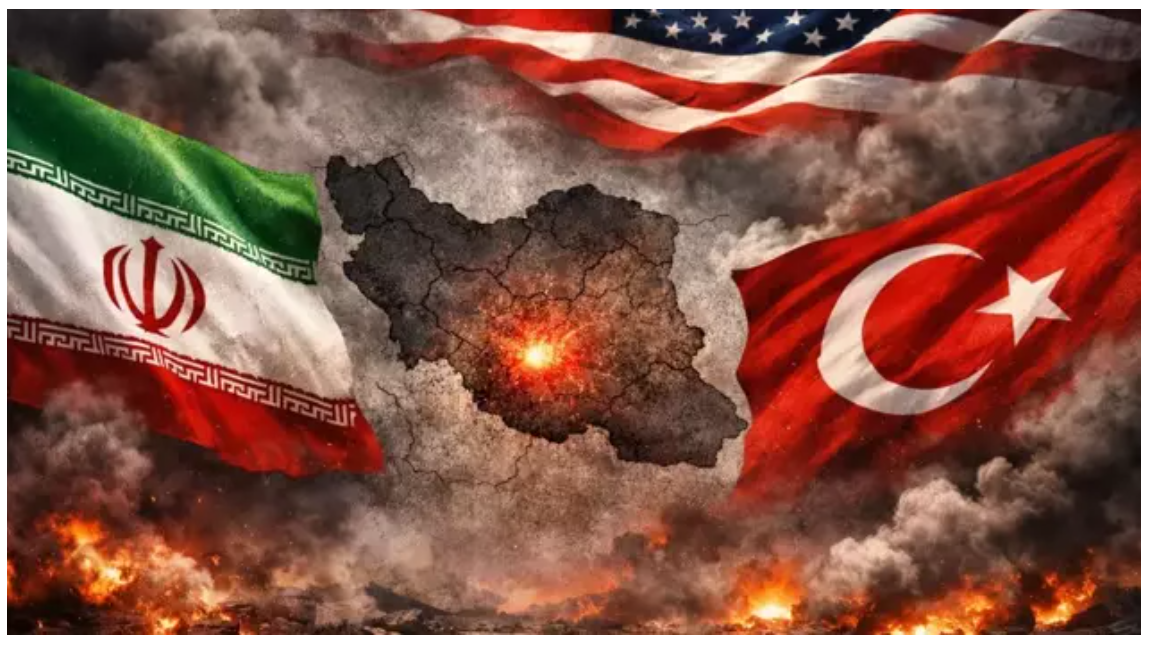
Turkey is on edge. For Ankara, the escalating U.S.-Israeli military campaign against Iran is no longer a distant geopolitical event—it is a direct threat to national security. The recent interception of an Iranian missile ostensibly bound for Turkey has shattered any illusions of neutrality, while reports that Washington is considering arming Iranian Kurdish opposition groups have revived the “Syrian nightmare” in the minds of Turkish policymakers.
As the conflict deepens, the fragile momentum in U.S.-Turkish relations hangs in the balance. Ankara’s primary fear is that a widening war will serve Israel’s long-term regional designs at the expense of Turkish stability and sovereignty.
The Kurdish Red Line: Avoiding the “Syria Experience”
The most acute point of friction is the potential for Washington to pursue regime change in Tehran by partnering with Kurdish actors, specifically the PKK-affiliated Kurdistan Free Life Party (PJAK). For Turkey, this is a non-starter. Memories of U.S. cooperation with the YPG in Syria—which created a permanent rift between the NATO allies—remain fresh.
Ankara views externally driven regime change via proxies as a recipe for chaos rather than stability. If Washington expands its cooperation with militants hostile to Turkey to spark an internal uprising in Iran, the “fragile momentum” recently built between Ankara and Washington could unravel overnight.
Status Quo vs. Regional Fragmentation
Under the AKP, Turkey has transitioned from experimenting with assertive regional meddling back to a status-quo-oriented posture. Ankara remains convinced that externally driven attempts to “reorder” the Middle East historically produce instability.
Foreign Minister Hakan Fidan has noted that while Tehran’s own miscalculations fueled the current escalation, Turkey’s goal remains “regional ownership.” Ankara wants a patchwork of alliances that consolidate the region through shared economic and security interests. In contrast, it views Israel’s strategic preference as “regional fragmentation”—a landscape of weakened, divided states that would marginalize Turkey and require permanent U.S. military intervention.
Report: PKK Expanding Presence in Iran, Building “New Qandil” Base in South Azerbaijan
Trump vs. Netanyahu: The Tactical Difference
Turkish policymakers detect a crucial difference between the motivations of the White House and the Israeli government:
-
Donald Trump: His approach is perceived as tactical and fluid. Ankara believes Trump is not ideologically wedded to a decisive conflict or permanent regime change, making him a leader who can be influenced by diplomatic persuasion.
-
Benjamin Netanyahu: Israel’s motivations are seen as structural and long-term. Sharp rhetoric from Israeli officials and Netanyahu’s stated ambition to confront “emerging axes” are viewed as a direct challenge to Turkey’s regional standing.
Turkish leaders remember fondly when Trump publicly advised Netanyahu to be “reasonable” regarding disputes with Turkey last spring. They are hoping for a repeat of that restraint.
Tehran’s Mistake: The Gulf Attacks
Ankara also believes Iran made a strategic blunder by striking targets in Gulf countries. Beyond narrowing the diplomatic space for a ceasefire, these attacks lent credence to Israel’s narrative that the Iranian regime must be forcibly dismantled. This shift in focus has unfortunately overshadowed regional concerns regarding the situation in Gaza and Israel’s increasingly muscular regional posture.
The Twofold Expectation
At this juncture, Ankara’s expectations from Washington are clear and twofold:
-
Containment without Spillover: Manage the confrontation with Iran without triggering direct security threats to Turkey or causing prolonged regional disruption.
-
Restrain Israel: Prevent Israel from using the fog of war to marginalize Turkey as a regional rival.
Conclusion: The Iran war is the next great stress test for the U.S.-Turkish partnership. If Washington pursues a regime change strategy that empowers hostile Kurdish militants, this conflict will evolve into a permanent fault line. Avoiding this outcome requires sustained diplomatic engagement focused on a self-sustaining regional security architecture—otherwise, the NATO alliance may fail the test.
By Alper Coskun
Alper Coşkun is a senior fellow in the Europe Program and leads the Türkiye and the World Project at the Carnegie Endowment for International Peace in Washington, DC.
PA Turkey intends to inform Turkey watchers with diverse views and opinions. Articles in our website may not necessarily represent the view of our editorial board or count as endorsement.
Follow our English YouTube channel (REAL TURKEY):
https://www.youtube.com/channel/UCKpFJB4GFiNkhmpVZQ_d9Rg
Twitter: @AtillaEng
Facebook: Real Turkey Channel: https://www.facebook.com/realturkeychannel/
Related articles
Bilal Erdoğan Speaks on His Father’s Political Legacy, Fuels Succession Speculation
Donald Trump Praises Erdoğan, Highlights Türkiye’s Role in Syria
Özel in Van: “We Say Yes to a Turkey Without Terrorism”